 Μake us preferred on Google
 Iran said on Sunday that diplomacy is the only way to resolve its conflict with the United States and Israel, a day after President Donald Trump announced he had turned down an Iranian offer to reopen the Strait of Hormuz and end the fighting in the Middle East.
The Proposal
Iran presented the initiative at the UN General Assembly in New York last week, saying Qatari mediators had passed it on to Washington. According to Tehran, the plan could reopen the strategic waterway and bring hostilities in the region to an end within seven days.
Speaking to reporters at the White House on Saturday before departing for Tennessee, Trump said plainly that he had rejected the Iranian deal. He argued that Iran was eager to reopen the strait right away because it was “losing so badly,” while the United States was winning decisively. Trump said he had no objection to making deals in principle, but claimed Iran’s urgency stemmed from its finances, since the country relies on the Strait of Hormuz for its revenue and currently has no money coming in.
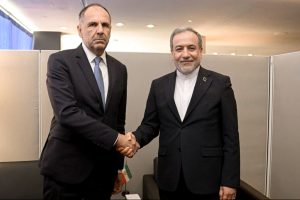
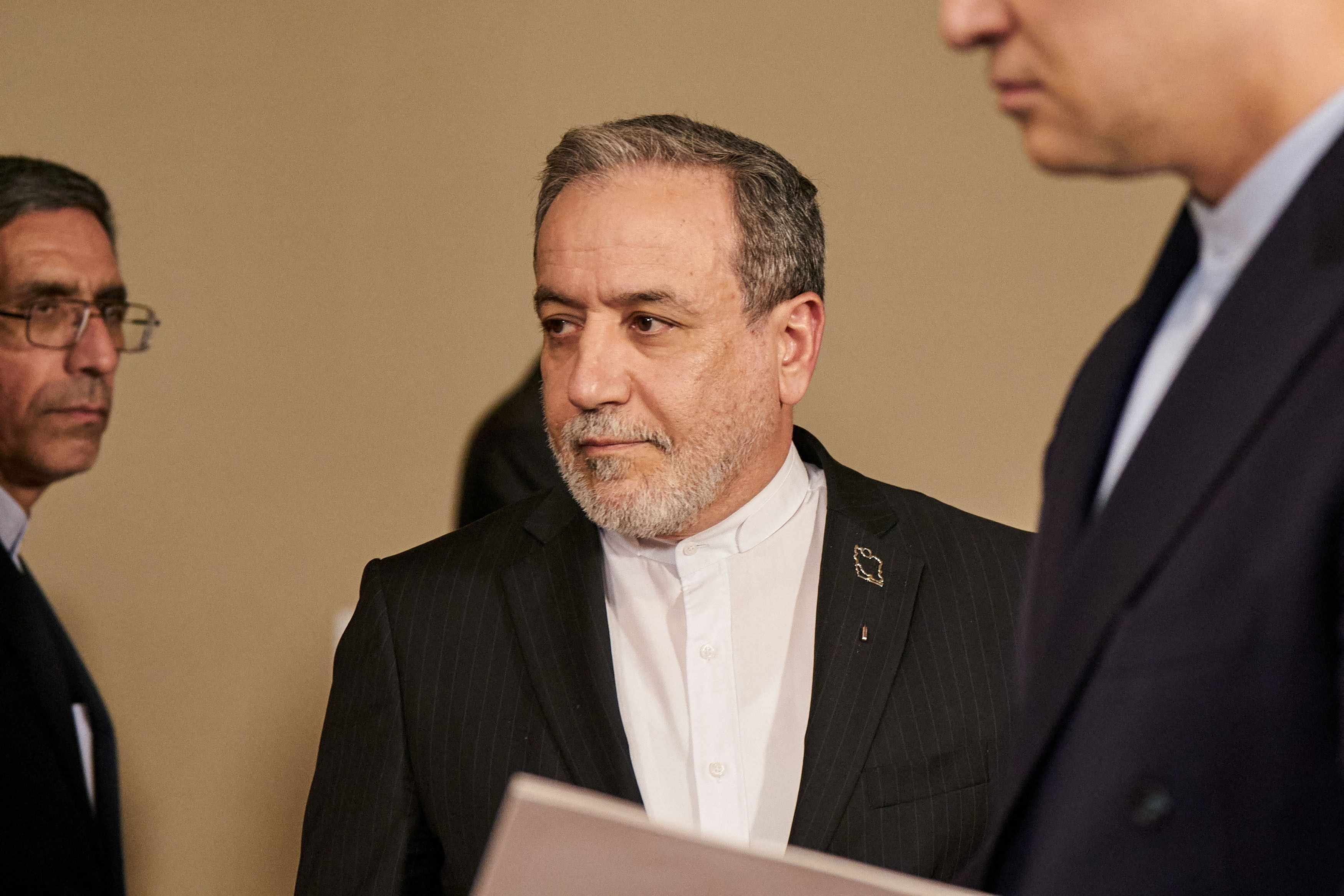
Iranian Foreign Minister Abbas Araqchi responded on social media on Sunday, writing that Tehran’s conditions are clear and that any move to reopen the strait depends on those conditions being met. He added that only a negotiated settlement can break the current deadlock.
Araqchi also said that, despite Trump’s public remarks, the mediators handling Iran’s contacts with the United States had not formally communicated any US rejection. He said Tehran would wait for the mediators to deliver Washington’s final position before deciding its next step.
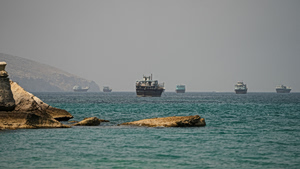
The United States has placed Iran under an economic blockade to pressure Tehran into lifting its own blockade of Hormuz and ending its attacks on ships there. Iran’s actions have sharply reduced traffic through the strait, even though Trump has again claimed that the US controls the waterway.
The Wall Street Journal was the first to report Trump’s rejection of the proposal, citing unnamed US officials. According to the newspaper, Trump privately doubts Iran will meet his demands and has told aides he expects a new bombing campaign is likely after the congressional midterm elections in November. Earlier, a US official had described the talks with Iran through mediators as positive and constructive.
Conflict Has Disrupted Oil Supplies and Hurt the Global Economy
Iran has also reached out to its regional rival Saudi Arabia about the Strait of Hormuz, highlighting what is at stake in a seven-month conflict that has choked oil shipments through a vital sea route and weighed on the world economy.
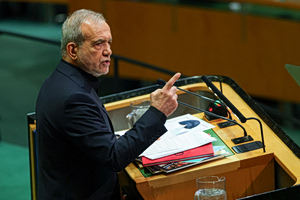
Speaking at the United Nations on Friday, Araqchi said the proposed agreement would start a seven-day countdown toward reopening the strait, along with a pause in fighting across the region. He said everything was ready if Washington was serious about reaching a deal, and that US acceptance could open the way to broader negotiations on topics both sides agree on.
Those talks could potentially cover Iran’s nuclear program. Trump has insisted that Tehran must never obtain a nuclear weapon. A senior Iranian official, however, told Reuters that Iran would not budge on its nuclear program even if the United States accepted the peace plan, and would make no concessions on its rights, including uranium enrichment or sending its highly enriched uranium abroad.
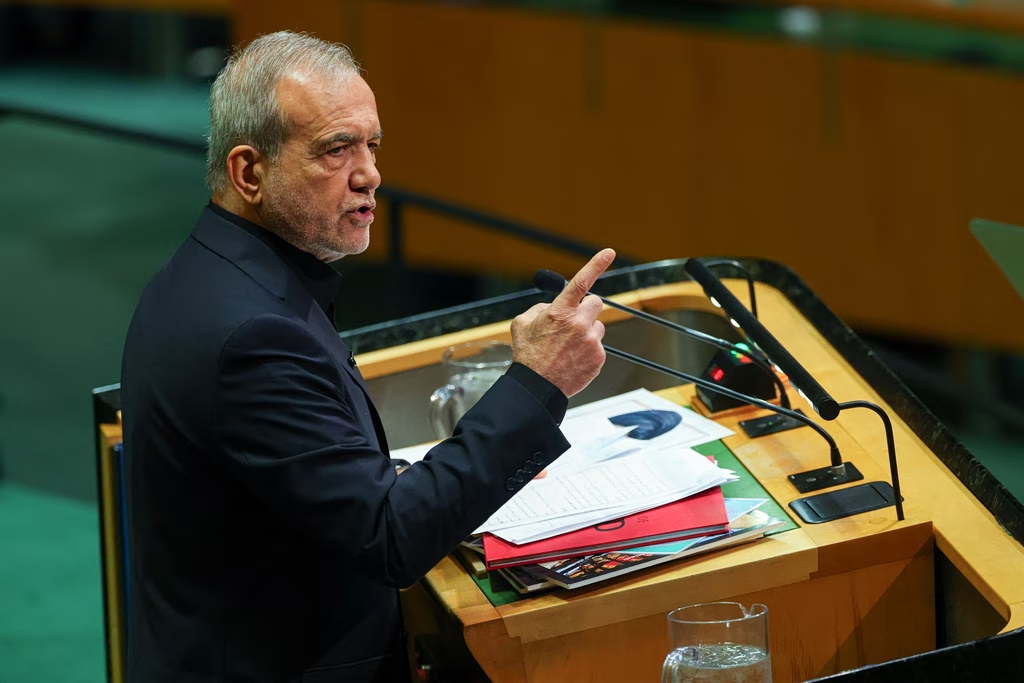
In an interview with CBS’s “Face the Nation,” Iranian President Masoud Pezeshkian said Iran was open to discussing its nuclear program and other matters but would not give in to “bullying or coercion.” He said Iran does not want war but will defend itself against pressure, threats and attacks, noting that it has already committed not to develop nuclear weapons.
Earlier diplomatic efforts have failed to stop the war, which started on February 28 with US and Israeli strikes. Since then, periods of calm have alternated with fresh attacks, leaving thousands dead, weakening Iran’s conventional military and further damaging its already struggling economy.
Iran and its allies have responded by widening the conflict across the region. Iran has launched drones and missiles at US allies in the Gulf, while its Houthi allies in Yemen have gone after Saudi targets. Early on Saturday, the Saudi-led coalition in Yemen said it had shot down two ballistic missiles and two drones fired by the Houthis toward Saudi Arabia.