 Μake us preferred on Google
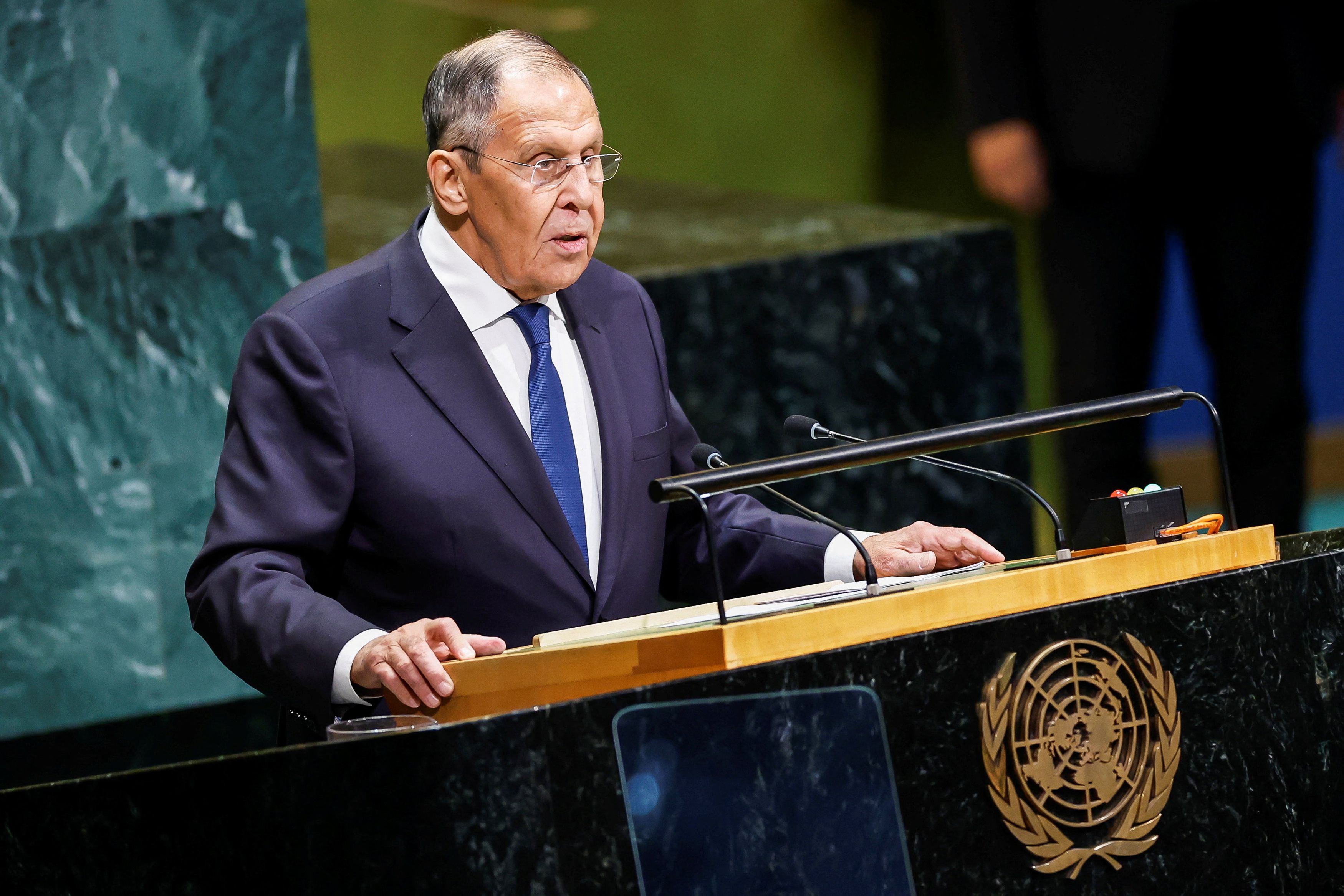
 Moscow’s rhetoric escalated once again in New York, with Russian Foreign Minister Sergey Lavrov warning that a possible conflict with Europe would be a “completely different” and “short” war.
Speaking to reporters on the sidelines of the UN General Assembly, Lavrov accused European governments of preparing for a possible conflict with Russia, linking the increase in defense spending to the risk of further escalation.
“Europe Is Preparing for War”
Russia’s top diplomat claimed that European countries are preparing for war with Russia, citing discussions about strengthening their defense capabilities by 2030.
“It is Europe that is preparing for war with us,” he said, arguing that the rise in military spending could create a dynamic that would eventually lead to conflict.
Lavrov also warned that an “adventurer” from among Europe’s political elites could at some point wonder what to do with the arsenal being built up.
The Reference to a “Short” War
In this context, the Russian minister stated that in the event of an attack on Russia, Moscow’s response would not be limited.
“In that case, if they attack us (…) it will be a completely different war, and it will be short,” he said.
This wording has been interpreted as a hint at the possibility of nuclear escalation, although Lavrov did not explicitly state in this particular remark that Russia would use nuclear weapons. He had issued a similar warning about a “very short” war in the event of a European attack earlier in September.
Germany in the Crosshairs
Lavrov’s statements came one day after his first meeting with German Foreign Minister Johann Wadephul since the start of Russia’s invasion of Ukraine.
The meeting took place on the sidelines of the UN General Assembly and lasted about 20 minutes. According to the German side, Wadephul called on Moscow to abandon its “dangerous course of escalation” toward Germany, Europe, and NATO.
Lavrov then turned against Berlin once again, criticizing Chancellor Friedrich Merz’s statements about strengthening Germany’s armed forces.
“Chancellor Merz declares that Germany must once again become the leading military power in Europe. Does Berlin understand where this could lead? Have they not learned the lessons of World War II?” Lavrov said at the General Assembly.
The Russian minister also linked current German policy to the Nazi era, referring to historical memory and warning of what he described as a trend toward a “Fourth Reich.”
Berlin Seeks an Open Channel
Despite the tension, Wadephul said that Europe should not leave dialogue with Moscow exclusively to the United States.
“I do not want us Europeans to leave the dialogue with Russia entirely to the Americans,” he said, explaining his decision to meet with Lavrov.
He also called on Russia to stop the actions Berlin describes as hybrid attacks and insisted on the need for an immediate and complete ceasefire in Ukraine.
Russian Attacks on Ukraine Continue
Meanwhile, Russian attacks on Ukraine continue, with Kyiv reporting new strikes in different parts of the country.
Explosions and damage to infrastructure were reported in the capital, while according to Ukrainian authorities, there were also dead and wounded in other regions, including Sumy and Zaporizhzhia.
The latest exchange of warnings between Moscow and European governments comes as diplomatic efforts to end the war in Ukraine remain underway, with no ceasefire agreement reached so far.