
 Μake us preferred on Google
 In countries with comprehensive multi-hazard early warning systems, disaster mortality is six times lower than in countries without similar systems, according to a new UN report.
The findings were presented as world leaders gathered in New York for the UN Climate Summit, and they track the progress of the Early Warnings for All initiative, launched in 2022.
The goal is extremely ambitious: by the end of 2027, every person on the planet should be protected by an effective early warning system.
From 56 to 136 Countries
Progress in recent years has been significant. Today, 136 countries have multi-hazard early warning capabilities, an increase of 143% compared to 2015.
At the same time, more than 160 countries are receiving direct support to strengthen their systems.
Between 2022 and 2025 alone, about $2 billion was mobilized to improve preparedness, protect vulnerable populations and strengthen countries’ ability to anticipate and respond to disasters in time.
These systems are not limited to a mobile app or an alarm siren. They require meteorological and hydrological data, observation networks, reliable forecasts, telecommunications infrastructure and, above all, a mechanism that turns scientific information into a clear warning for the public.
That is because an accurate forecast that does not reach people at risk in time has little practical value.
When the Warning Comes Before the Disaster
Colombia is a clear example. In June 2026, the country’s Red Cross activated an early action protocol for drought as soon as the first signs of El Niño appeared, before conditions reached a critical level.
This is the idea behind the new model: authorities should not wait for a disaster to happen before taking action, but should act once there are enough signs that it is approaching.
In 2025, such preventive actions reached 9.6 million people in 54 countries through 146 program activations, backed by nearly $120 million.
The Tragic Example of Nepal
The other side of the problem becomes clear when a system does not exist or does not work.
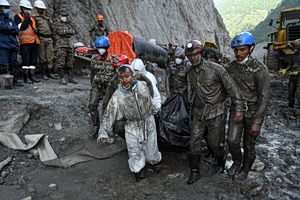
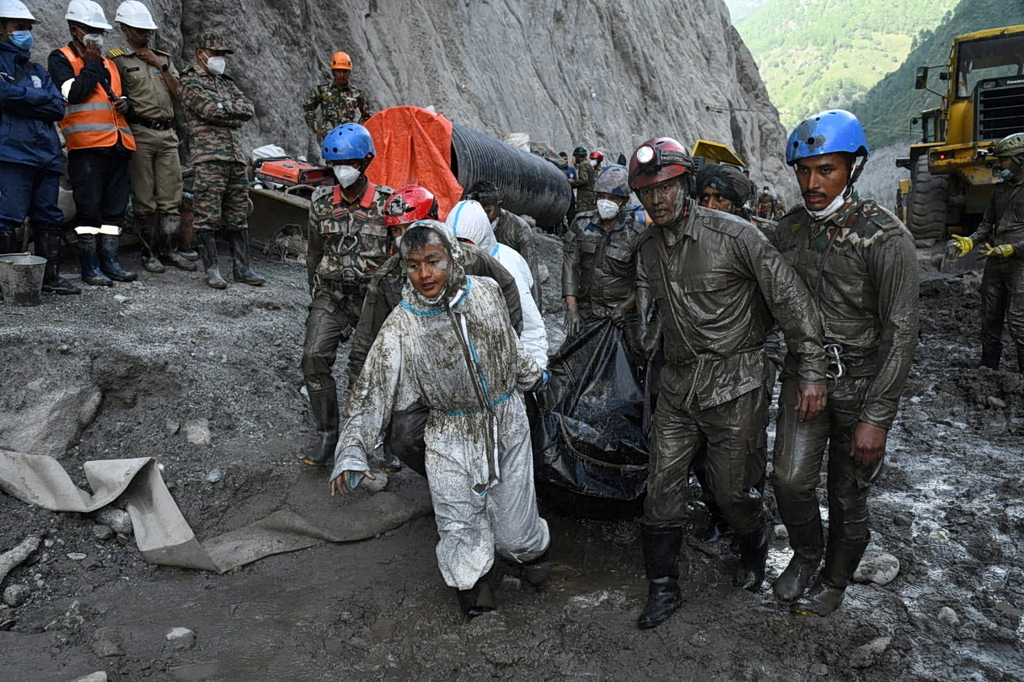
During the devastating glacial floods in Nepal in August, downstream communities received little or no early warning. There was almost no time to evacuate.
The toll was dramatic: more than 1,000 dead, thousands missing and more than 10,000 displaced, along with massive damage to homes and critical infrastructure.
The case shows why early warning is not just another civil protection tool, but essential infrastructure for any country facing increasingly frequent and intense extreme weather.
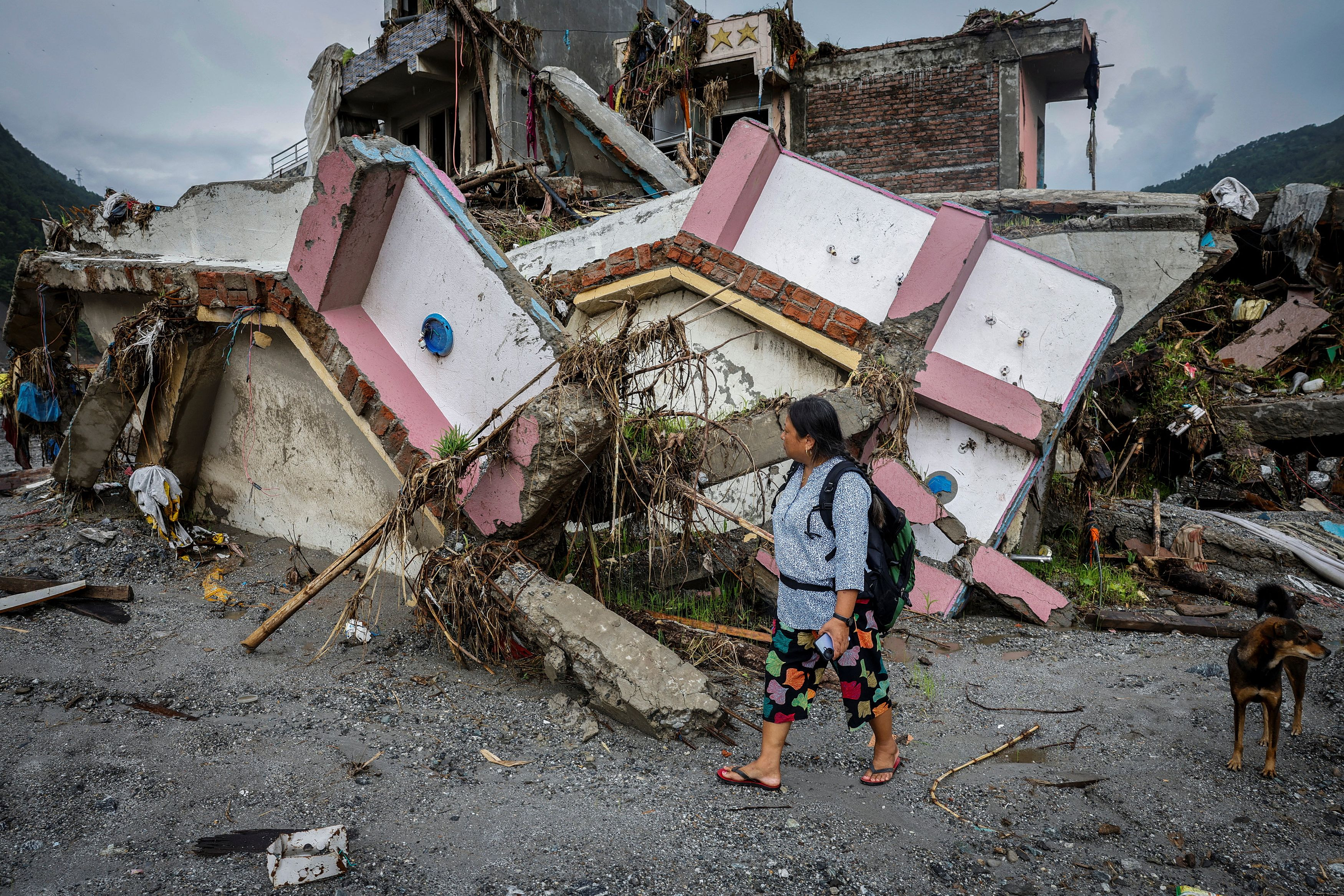
Kalpana Thapa Magar, 43, who was displaced by flash floods and mudslides, looks at a part of her damaged house that was swept away by the flood in Betrawati, Nuwakot district, Nepal, September 9, 2026. Betrawati residents said warnings about the approaching flood began circulating minutes before it arrived, as friends and relatives upstream phoned to alert them. But few grasped the speed or scale of what was coming. “I just ran. When I looked back, everything was gone, even the people who had been running behind me,” said Kalpana Thapa Magar. “I have nothing left except the clothes I am wearing right now.” REUTERS
The Biggest Gaps in the Most Vulnerable Places
The paradox is that the biggest shortfalls are found in the countries most exposed to risk.
The least developed countries, small island developing states and conflict-affected areas still have serious gaps.
These involve identifying and understanding risks, observation and forecasting infrastructure, telecommunications, the operational capacity of authorities and the preparedness of communities themselves.
About 50 countries are now actively taking part in implementing the UN initiative, and 31 national roadmaps have been created.
UN Secretary-General António Guterres’s message is that progress is not enough. Millions of people are still left unprotected.
On a planet where extreme heat, floods, droughts and wildfires are intensifying, adapting to the climate crisis is not only about major projects and billions in investment.
Sometimes it starts with something much simpler: knowing in time that danger is on the way.