 Μake us preferred on Google
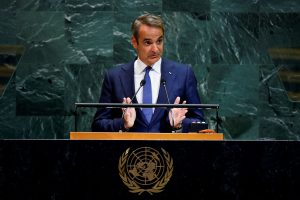
 Chinese AI startup DeepSeek is expected to be among the companies briefing the United Nations Security Council this week on the risks tied to artificial intelligence, according to two sources familiar with the matter, as world leaders gather in New York for the annual UN General Assembly.
The 15-member Security Council is scheduled to meet on Wednesday to discuss AI and international security. The meeting follows recent calls from several AI industry leaders for a coordinated slowdown in the development of increasingly powerful AI systems, amid warnings that such systems could soon begin improving on their own and slip beyond human control.
OpenAI CEO Sam Altman is planning to address the meeting as well, with diplomats also expecting senior representatives from Anthropic to take part. DeepSeek and other Chinese AI companies, including Moonshot, have reportedly been invited to speak. However, DeepSeek founder Liang Wenfeng is not currently expected to attend, though one source cautioned plans could still shift at the last minute. Neither DeepSeek nor Moonshot immediately responded to requests for comment.
This isn’t the Security Council’s first look at AI risks: the body, tasked with maintaining international peace and security, first took up the topic in 2023. Back then, China cautioned that AI shouldn’t become a “runaway horse,” while the US warned against using the technology to censor or repress people.
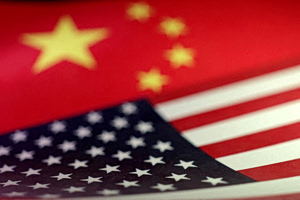
Last week, UN Secretary-General António Guterres warned world leaders that fast-advancing AI carries risks that can’t be ignored, putting him at odds with President Trump, who has argued existing safeguards are already sufficient and suggested China stands to benefit from doubts being raised about AI development. Chinese state media, meanwhile, have dismissed slowdown calls as a “Cold War playbook” meant to protect US dominance in advanced technology and shut China out of global AI governance.
Notably, unlike leaders at US frontier labs such as OpenAI and Anthropic, the heads of China’s top AI developers have rarely spoken publicly about the possibility that increasingly capable systems could deceive humans, evade control, or cause catastrophic harm, and they’ve stayed largely quiet on the issue since the debate picked up steam in the US this month.
Separately, US Treasury Secretary Scott Bessent said Monday that senior US and Chinese officials have agreed to hold further talks on AI safety, following a meeting ahead of Trump’s planned talks with Chinese President Xi Jinping later this week in Washington.