
 Μake us preferred on Google
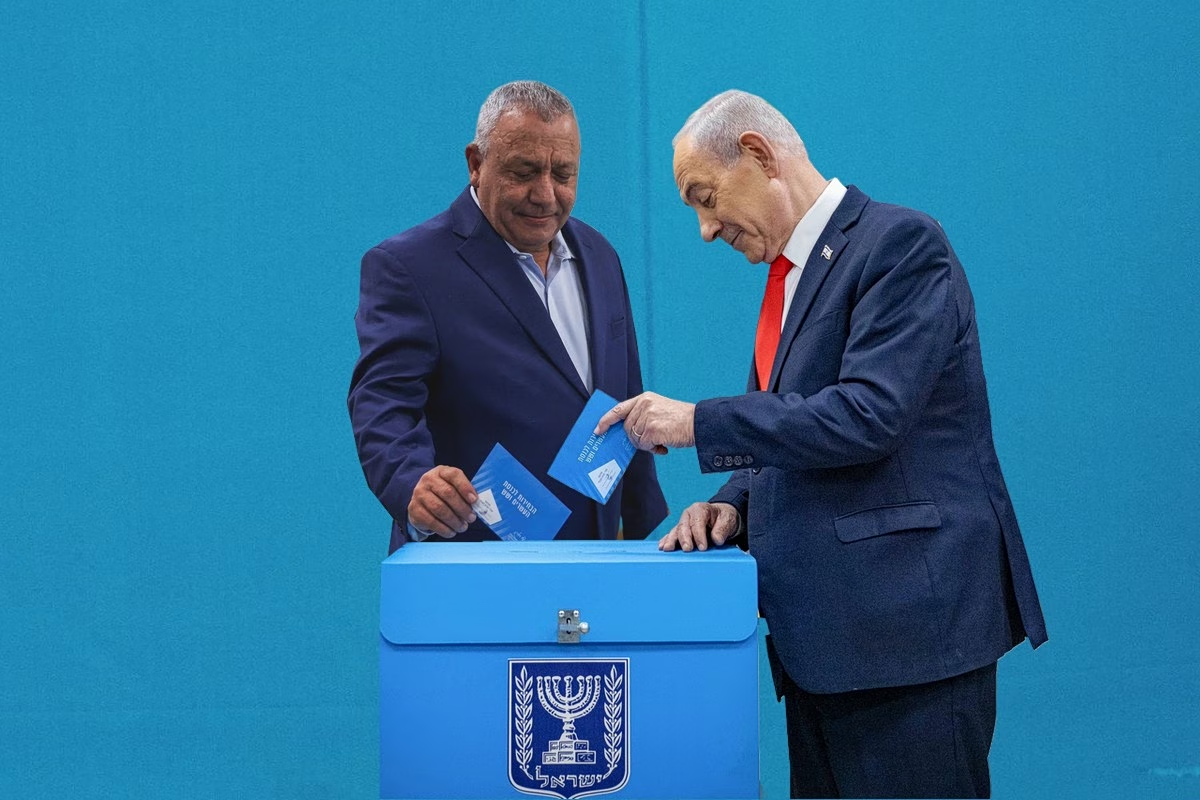
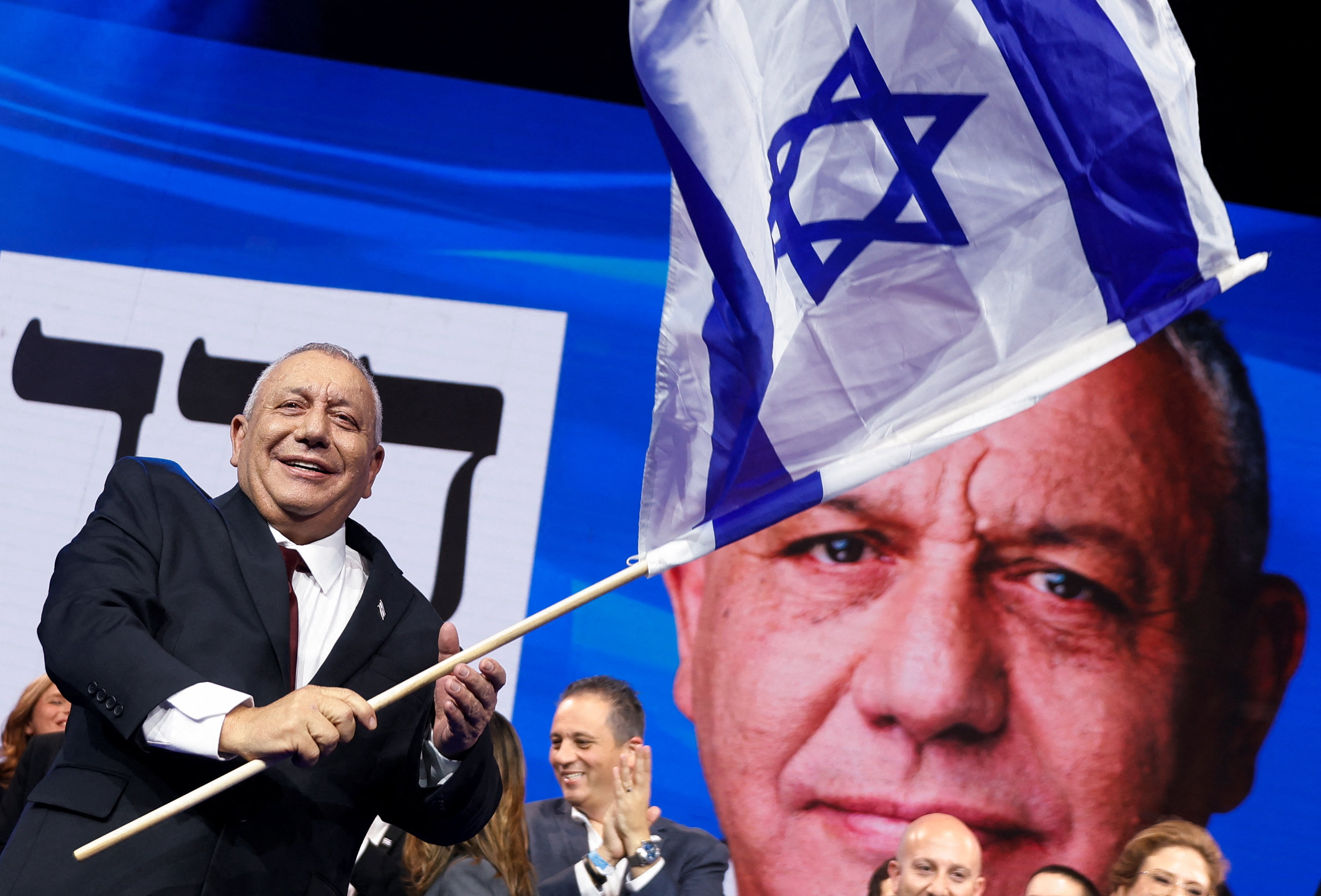
Israeli opposition leader Gadi Eisenkot said on Friday that he has made “significant progress” toward forming a government to replace Prime Minister Benjamin Netanyahu, as a key potential partner dropped his long-standing demand that ultra-Orthodox Jews serve in the military, opening the door to a previously unlikely alliance.
In a post on X, the Yashar party leader said his team had spent dozens of hours negotiating with opposition parties and achieved breakthroughs, much of it out of public view. He described the country as facing a real and dangerous emergency and called for a quick transfer of power so that Netanyahu does not stay in office. He also said he expects to receive the mandate to form a government early next week.
A Fragmented Knesset
Neither side won a majority in the October 27 election, held after three years of war and amid deep divisions over Netanyahu’s leadership. Netanyahu’s bloc won 53 seats, the Jewish opposition bloc 48 and Arab-led parties a record 19, leaving no bloc with the 61 seats needed to govern.
Arab-led parties have since thrown their weight behind Eisenkot. The Joint List, with 11 seats, and Ra’am, with eight, both recommended him to President Isaac Herzog. Following consultations, Herzog said factions representing 67 lawmakers had backed Eisenkot, compared with 46 for Netanyahu. Eisenkot noted that 74 of the Knesset’s 120 members had not expressed confidence in the outgoing prime minister.
Netanyahu’s numbers fell short of his bloc’s 53 seats because United Torah Judaism, an ultra-Orthodox party, declined to recommend either candidate. The party broke with Netanyahu after his coalition failed to pass a law exempting ultra-Orthodox men from military service.
Herzog is set to announce on Sunday who will get the first chance to form a government. The nominee will then have 28 days to build a coalition, with a possible 14-day extension. If neither Eisenkot nor Netanyahu succeeds, Israel will head to another election early next year.
Liberman’s U-Turn
Eisenkot’s biggest challenge is holding together an opposition divided over whom to partner with. Avigdor Liberman, a former Netanyahu aide who now strongly opposes him but shares his hard-line views on Palestinians, has refused to work with Arab parties. Of the core opposition leaders, only left-wing leader Yair Golan has openly supported cooperation with Arab lawmakers.
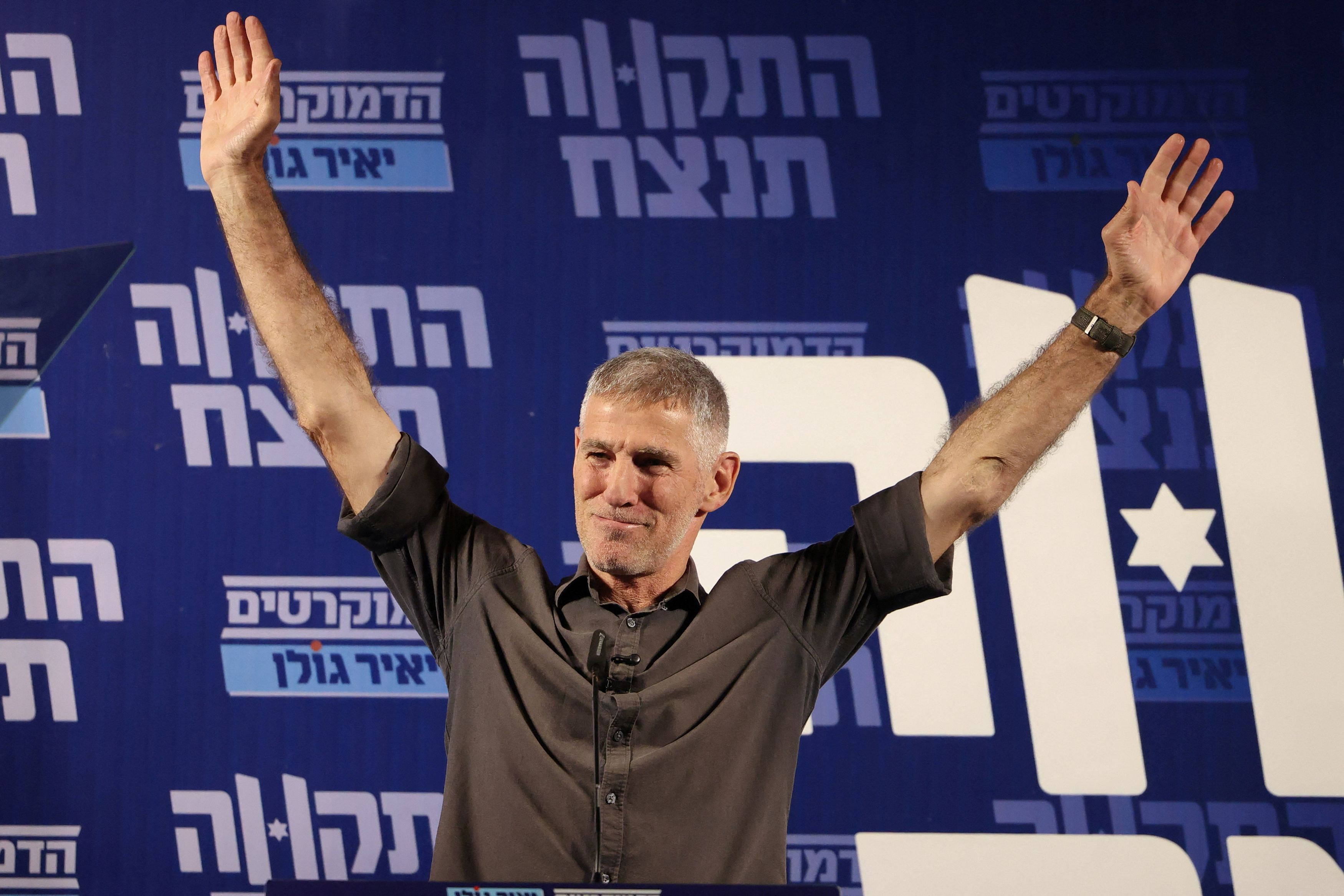
Yair Golan of the Democrats party waves to the crowd during a rally to demand the establishment of an independent state commission of inquiry into the October 7, 2023, Hamas-led attacks and the events leading up to them, ahead of Israel’s parliamentary election on October 27, in Tel Aviv, Israel October 24, 2026. REUTERS/Kevin Coombs
On Friday, Liberman said he would not change his position on Arab parties but called for talks with the ultra-Orthodox, a striking reversal. He had spent years criticizing the community, campaigned on ending its exemption from mandatory service, put up posters vowing to crack down on “draft-dodgers” and earlier this year called ultra-Orthodox Jews “anti-Jewish” over their demands.

Ultra-Orthodox Jews stand on a street covered in anti-election pamphlets in the Mea Shearim neighbourhood of Jerusalem during the country’s national elections, October 27, 2026. REUTERS/Kevin Coombs
In a social media statement, Liberman said ousting Netanyahu and avoiding new elections were the top priorities, and that insisting on everything risked ending up with nothing, including on the draft law. He acknowledged the decision was painful but said Israel’s national interest had to come first.
United Torah Judaism lawmaker Yaakov Asher welcomed the shift, saying the party’s rabbis would review any formal proposal. He added that much hostility could have been avoided had politicians shown the same flexibility in recent years. Together, United Torah Judaism and Shas hold 13 seats, enough to give Eisenkot a majority without relying on Arab parties.
Naftali Bennett, a former prime minister who also campaigned heavily on ending the exemption, has not commented on Liberman’s change of course.
The draft exemption has caused widespread anger in Israel, where reservists have served repeated tours in the wars that followed Hamas’s October 7, 2023, attack. The ultra-Orthodox make up about 14% of the population and have a much higher birth rate than the national average. Netanyahu, though secular, long relied on their support.
Eisenkot’s Four Principles
Eisenkot, a former army chief whose campaign targeted secular and liberal voters, proposed a national emergency government built on four principles: recognizing Israel as a Jewish and democratic state, upholding the values of its Declaration of Independence, requiring military, national or civilian service for all, and treating Hamas as a terrorist organization while committing to dismantle its military and governing capabilities.
He said any faction or lawmaker who accepts these principles would be invited to join, and warned that another election would prolong uncertainty and keep Netanyahu in power as caretaker.
Golan said he was more optimistic than he had been the morning after the election, pointing to real progress and a willingness to reach a deal.
Fraud Claims and Tensions
Netanyahu has repeatedly claimed, without evidence, that Arab parties committed fraud with foreign backing, and his Likud party has warned that cooperation between Zionist parties and the Arab bloc would be dangerous for Israel. Israel’s Central Elections Committee certified the results on Wednesday after finding no evidence of fraud.
Herzog accepted the results and supported investigating any suspected interference, but warned against smearing Arab voters, who make up about 20% of the population. He condemned the crude and racist language heard in recent days.
Even if Eisenkot secures a majority, he may still need at least the abstention of Arab-led parties to get his government sworn in, given his reluctance to formally partner with them.