 Μake us preferred on Google
 The Trump administration is preparing to move ahead with the sale of dozens of General Electric fighter-jet engines to Turkey in a deal worth more than US$700 million, brushing aside objections in the US Congress, in what amounts to a significant gesture toward Ankara just days before the NATO summit it will host next month.
The engines are intended for the KAAN, Turkey’s first domestically produced combat aircraft and a flagship project in President Recep Tayyip Erdogan’s long-running push for greater defense self-sufficiency. The package is expected to be finalized in the coming days and followed by formal notification from the US State Department to Congress, according to Reuters and US media reports.
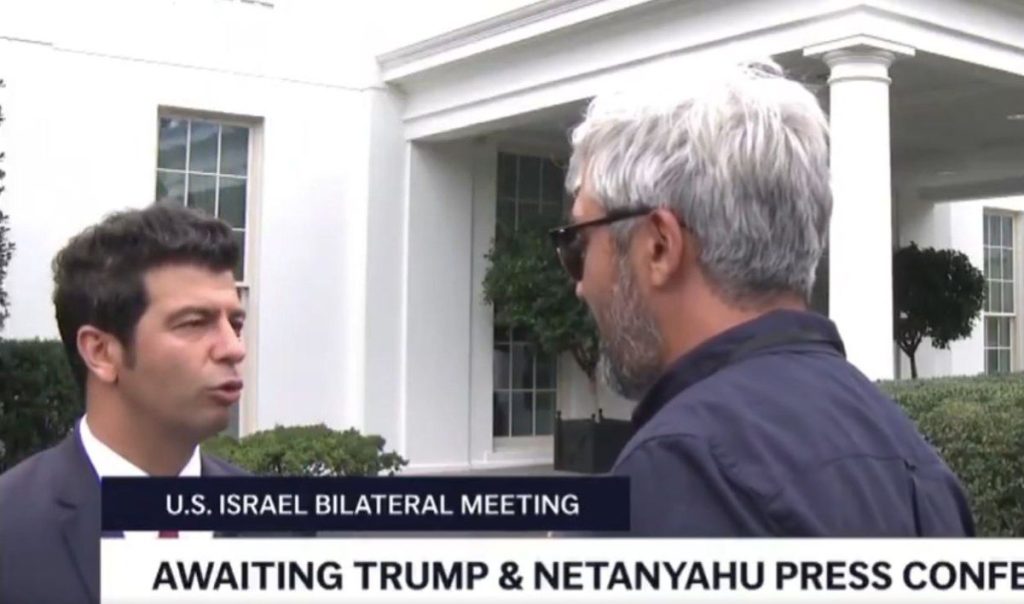
Yunus Paksoy: Türkiye F-35 savaş uçakları istiyor. Büyük bir hediye paketiyle Türkiye’ye mi gidiyorsunuz?
Trump: Evet. Öyle düşünüyorum. O NATO üyesi. Muhtemelen onu çok mutlu edecek bir şey yapacağım. pic.twitter.com/8fblhihaBm
— Zafer Şahin (@zafersahin06) June 24, 2026
The move appears likely to deepen friction on Capitol Hill.
Rep. Gregory Meeks of New York, the top Democrat on the House Foreign Affairs Committee, had objected during the informal review process and had not cleared the sale, according to Reuters.
The Wall Street Journal reported that congressional concerns extend beyond procedure to Turkey’s continued possession of the Russian-made S-400 air defense system, as well as tensions involving Greece, Cyprus and Syria.
The proposed transfer does not resolve the more consequential dispute in US-Turkish defense ties, namely, Ankara’s expulsion from the F-35 program and the sanctions imposed after it acquired the S-400 system from Russia. Washington has long argued that operating the S-400 alongside Western aircraft poses a threat to sensitive NATO and US military technology, and American law bars Turkey’s return to the F-35 program unless it abandons the system.
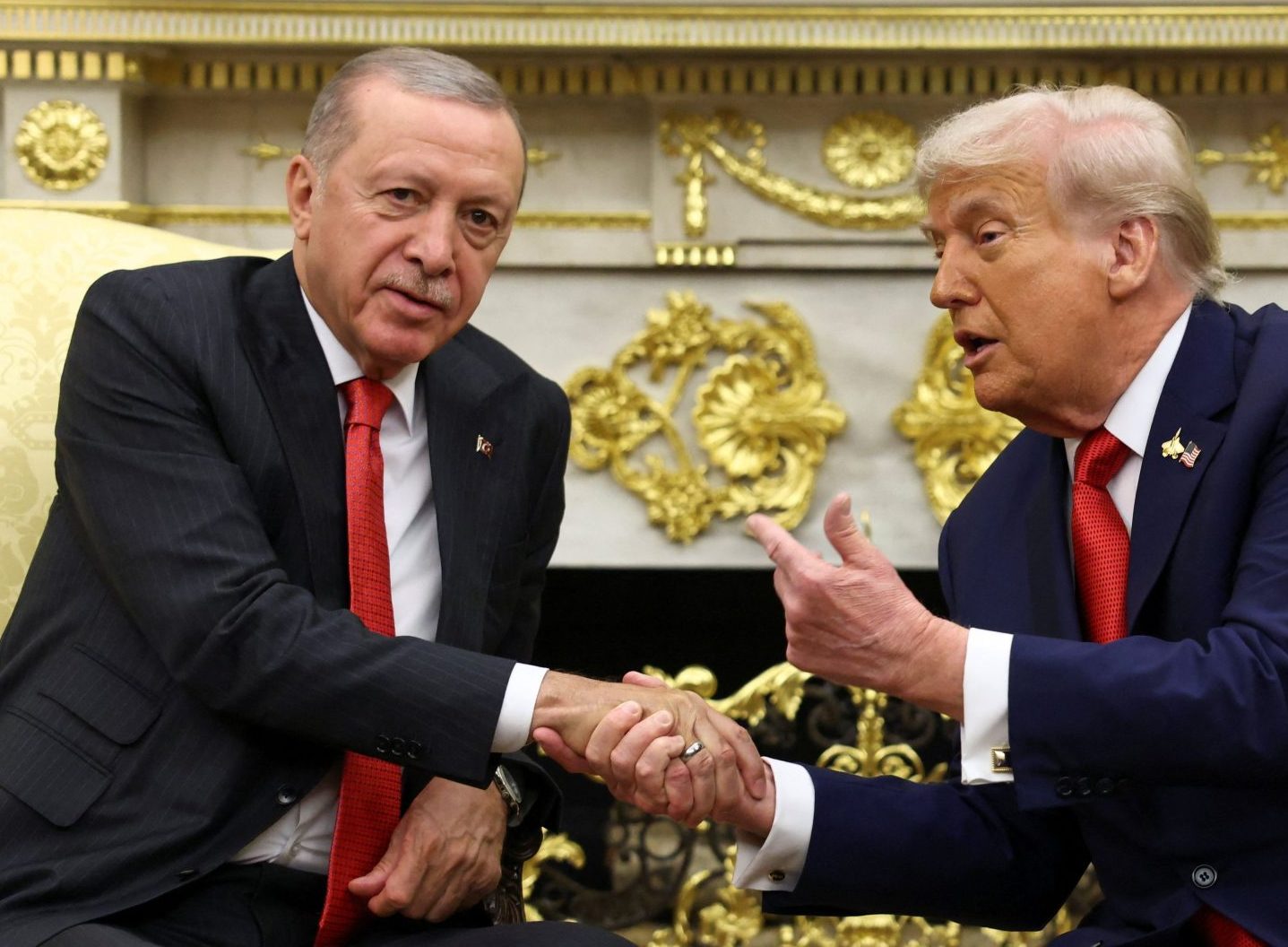
The timing is politically notable as Turkey is due to host NATO leaders in Ankara on July 7-8 at a summit already overshadowed by disputes over burden-sharing, defense spending and the fallout from the recent US-Iran war. Erdogan said this week he expected to hold bilateral talks with Trump on the sidelines, underscoring the warmer personal relationship between the two leaders even as institutional mistrust in Washington persists.
The sale also comes against the backdrop of intensifying criticism of Erdogan’s domestic record in recent American coverage.
International news media has reported a widening crackdown on Turkey’s main opposition, including court interventions in the Republican People’s Party (CHP), riot police action against party officials and mass detentions ahead of the NATO summit. That broader picture is likely to sharpen scrutiny in Washington over any attempt by the White House to ease defense restrictions on Ankara while Erdogan faces renewed accusations of democratic backsliding and politicization of the judiciary.