
 Μake us preferred on Google
 On Thursday, September 24, world leaders at the UN General Assembly unanimously approved the UN Declaration on Sea Level Rise, which calls for action against rising ocean levels and recognizes the right of vulnerable island nations to maintain their statehood even if they are lost to the waves of climate change. Member States had finalized the text of the declaration the previous month.
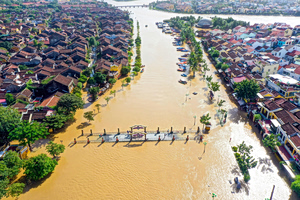
In 2024, ocean levels rose by nearly 6 millimeters, the largest annual increase ever recorded. Without drastic action, they are expected to rise by one meter or more by the end of the century. According to the UN, around 770 million people live in coastal areas affected by sea level rise, and a rise of just half a meter by 2100 could force between 150 million and 300 million people from their homes.
“Sea level rise is measured in millimeters, but the toll is measured in millions of shattered lives, uprooted communities, and stolen futures,” said UN Secretary-General António Guterres. “We cannot allow countries and cultures to be lost beneath the waves.”
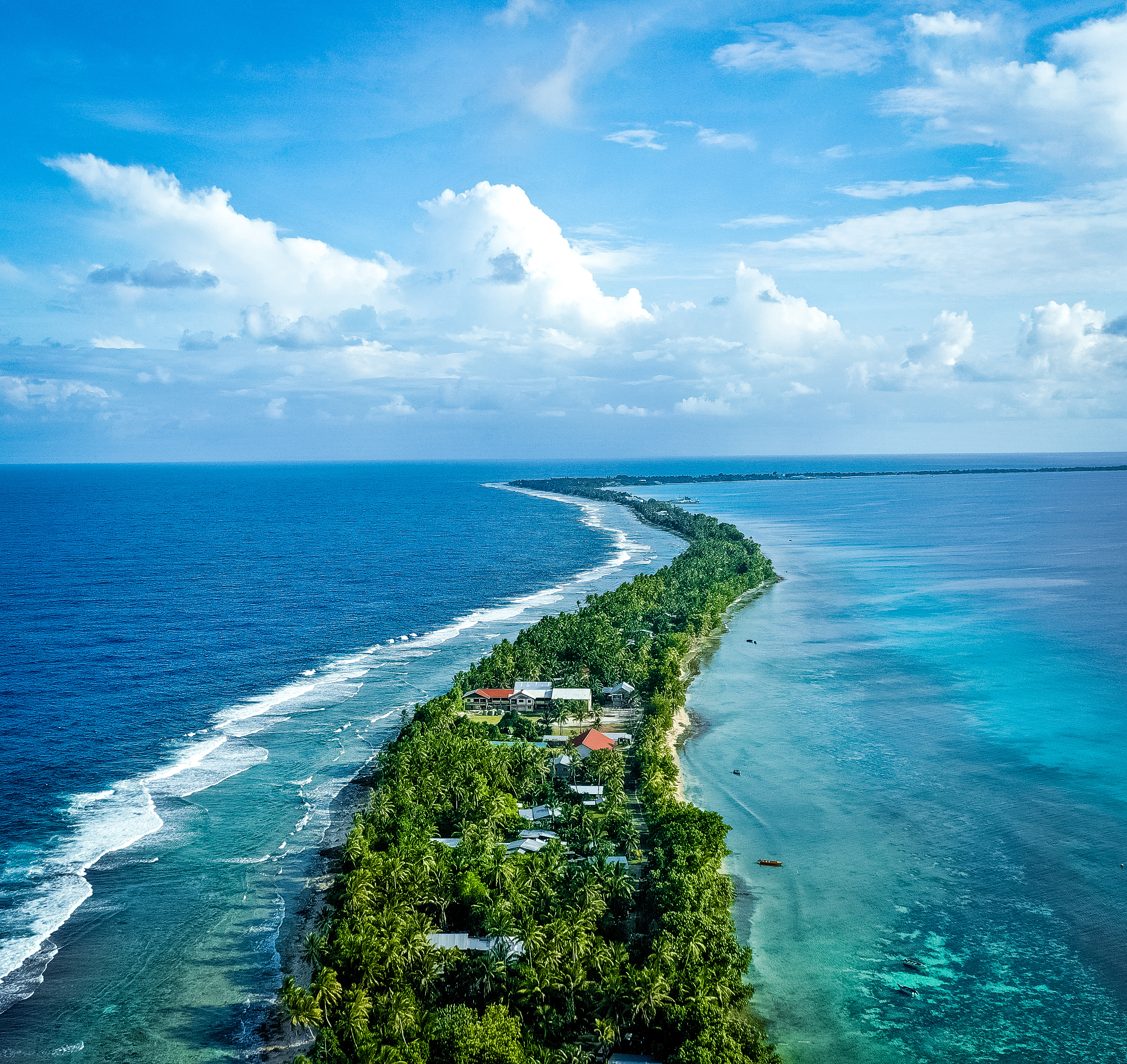
Some island nations, such as the Marshall Islands, are almost certain to be lost to the ocean within the next century as rising temperatures melt the polar ice. With disappearance now appearing inevitable, the small nation of Tuvalu, home to about 12,000 people, has secured an agreement with Australia to relocate its population. Around half of Tuvalu’s residents live on Fogafale Island, which is exposed to flooding, shoreline erosion, and rising seas. The country is also working to become the world’s first “digital nation.”
The declaration provides that these countries will retain their legal status and sovereign rights. Even if their land is lost, their borders, territorial waters, and exclusive economic zones will remain in place.
The declaration is the result of a campaign by the Alliance of Small Island States, which had earlier secured a historic but non-binding advisory opinion from the International Court of Justice. According to that opinion, climate change is an “urgent and existential threat,” and countries harmed by the inaction of other governments can seek compensation.
The court ruled at the time that “once a State is established, the disappearance of one of its constituent elements would not necessarily entail the loss of its statehood.”
The declaration recognizes that developed countries and countries with historically high emissions have an “urgent” obligation to provide small island states with “enhanced access” to funding for climate change adaptation. As the UN has pointed out, the nations that have contributed least to consequences such as sea level rise are the ones facing the worst impacts.
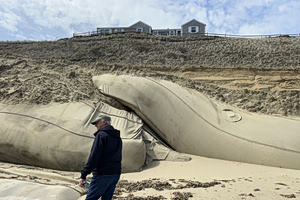
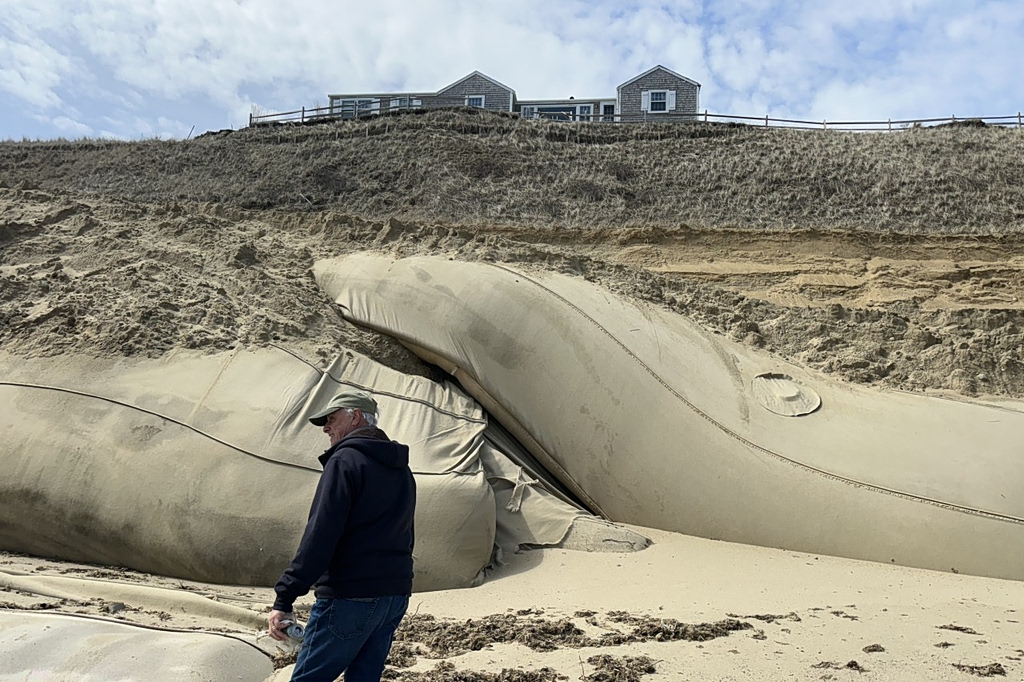
The money could be used to build sea walls, restore coastal mangrove forests, or relocate populations from flood-prone areas.
However, the declaration alone is not enough to increase funding for vulnerable countries.
Under the UN Framework Convention on Climate Change (UNFCCC), wealthy countries currently provide $130 billion a year for adaptation projects in vulnerable countries, far below the levels experts say are needed to avoid catastrophic consequences.
In 2024, the international community agreed to raise annual funding to $300 billion, but so far progress remains unclear.