 Μake us preferred on Google
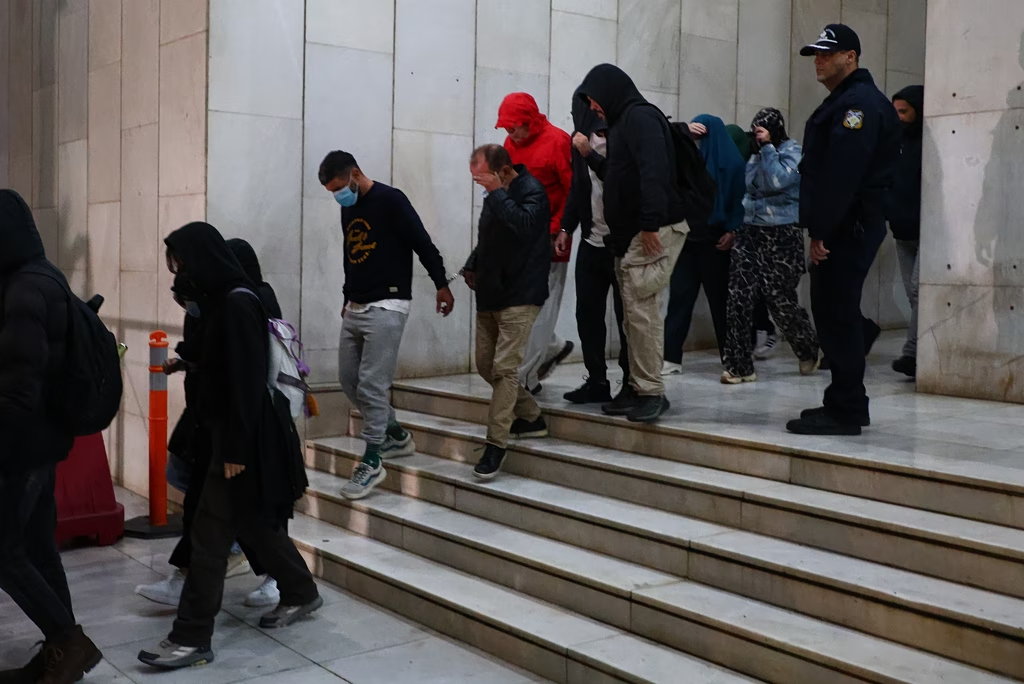
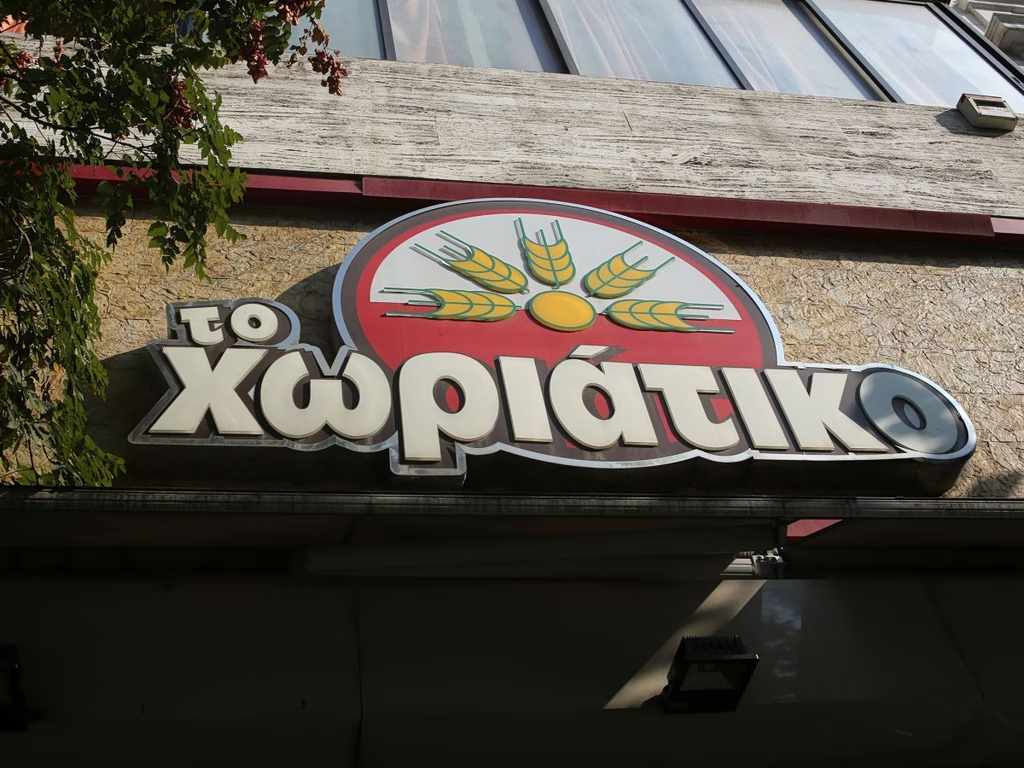
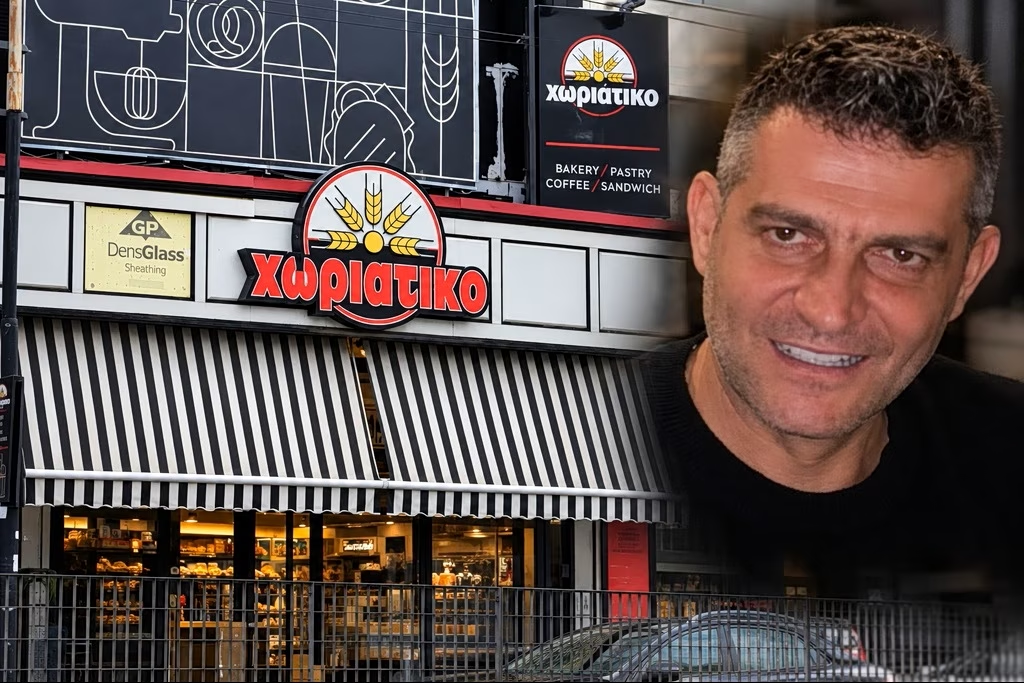
The tax evasion and money-laundering scandal centered on the “To Horiatiko” bakery chain has dominated headlines in recent days. And for good reason: the methods the defendants allegedly used to systematically defraud the state are scandalous.
But behind the sensational headlines about “mafia bakeries” lies another story — a struggle for survival among thousands of small bakeries across Greece. More than 1,500 are estimated to have shut down over the past four years, unable to meet their financial obligations.
The sharp rise in operating costs is putting traditional, small-scale bakeries under severe pressure. Unlike large bakery chains and supermarkets, which compete with frozen bread and bake-off products, independent bakeries do not have the same financial resources. Industry representatives say the gap between the two types of businesses is becoming increasingly difficult to bridge.
“Energy is becoming more expensive, raw material prices are rising, customers are watching their spending more closely, and competition from stronger players is intensifying,” they note.
High Costs
“We are seeing a decline in turnover and an increase in expenses,” Elsa Koukoumeria, president of the Hellenic Federation of Bakers, told TO BHMA, describing the increasingly difficult conditions facing the sector.
Electricity costs alone, she said, have surged over the past two months, adding an estimated €1,000 to €1,500 to monthly expenses, depending on the size of each business. This is an additional burden that is difficult to absorb.
Significant increases have also affected the cost of ingredients, including dairy products and sugar. On top of that come wage and non-wage labor costs — as well as what Koukoumeria describes as the “digital” costs of running a business.
She cited the example of having to pay an electronic invoicing provider €820 for 5,000 invoices. Additional expenses are also required for the digital work card system and monthly maintenance of point-of-sale (POS) terminals, on top of bank transaction fees.
Koukoumeria does not oppose inspections, which she acknowledges are necessary for the proper functioning of the market. However, she argues that the digital tools businesses are required to use should be provided free of charge.
All this is happening at a time when, according to the federation’s president, bakeries cannot pass their additional costs on to customers. Consumers simply do not have the purchasing power to absorb higher prices.
“We are keeping the price of bread stable so that we can continue operating,” she said, ruling out any price increases. According to Koukoumeria, the last increase came in 2021, when the price went up by 10 cents. A 350-gram loaf still sells for between €1.30 and €1.50.
But operating costs are not the only problem. Competition and changing eating habits are also reshaping the market.
Supermarkets compete with traditional bakeries by selling frozen bread, while food delivery services have reduced the need for customers to buy bread separately to accompany a meal. Snacks are taking up a growing share of the market, and breakfast no longer necessarily means a trip to the bakery.
The federation’s president has also raised concerns about unfair competition, an issue that has inevitably resurfaced in the wake of the To Horiatiko case. The dispute is directly linked to the conditions under which businesses compete.
Customers and industry professionals alike had questioned how the chain could offer prices 20% to 30% lower than competitors while also running such substantial promotions. Some still remember an opening-day promotion at one of the chain’s stores in Omonia, central Athens, where customers received a sack of potatoes as a gift with the purchase of bread.
Against this backdrop, Koukoumeria has renewed the federation’s demand for clearer legal definitions governing the use of the terms “bakery,” “baker” and “bread shop,” arguing that they should apply to businesses carrying out the full production process.
The issue dates back to 2015, when the framework established by Law 3526/2007 was changed. Since then, the same terminology has been used for different types of operations — from businesses that knead and bake bread on their own premises to outlets that simply sell products made elsewhere.
Identity
For small-scale producers, this distinction is about more than the wording on a shop sign. It concerns consumer information and the commercial identity of a manufacturing business.
As the federation’s president explains, a traditional bakery kneads, produces and sells its own products, assuming the entire cost of the production process. When this activity is presented in the same way as a retail outlet selling industrially produced or frozen bread, consumers can no longer distinguish between the two production methods.
Independent bakers believe customers should be able to tell the difference and are calling for this distinction to be reflected in legislation.
“It is unfair for the reputation of thousands of professionals to be tarnished because of specific illegal tax practices that have absolutely nothing to do with the work and everyday lives of bakers. Our daily reality is not hidden behind shady business interests. It is a reality filled with light and hard work over the kneading table and the oven,” the Hellenic Federation of Bakers said in a recent statement.