 Μake us preferred on Google
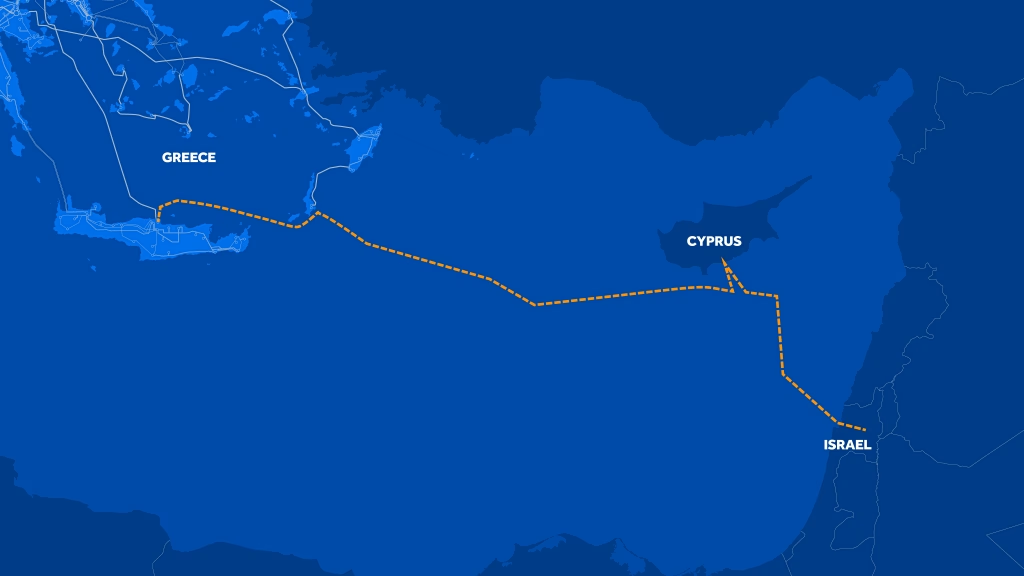
Questions are being raised in Athens about whether France’s approach toward Turkey will allow seabed surveys for the Greece-Cyprus electricity interconnection to resume without disruption.
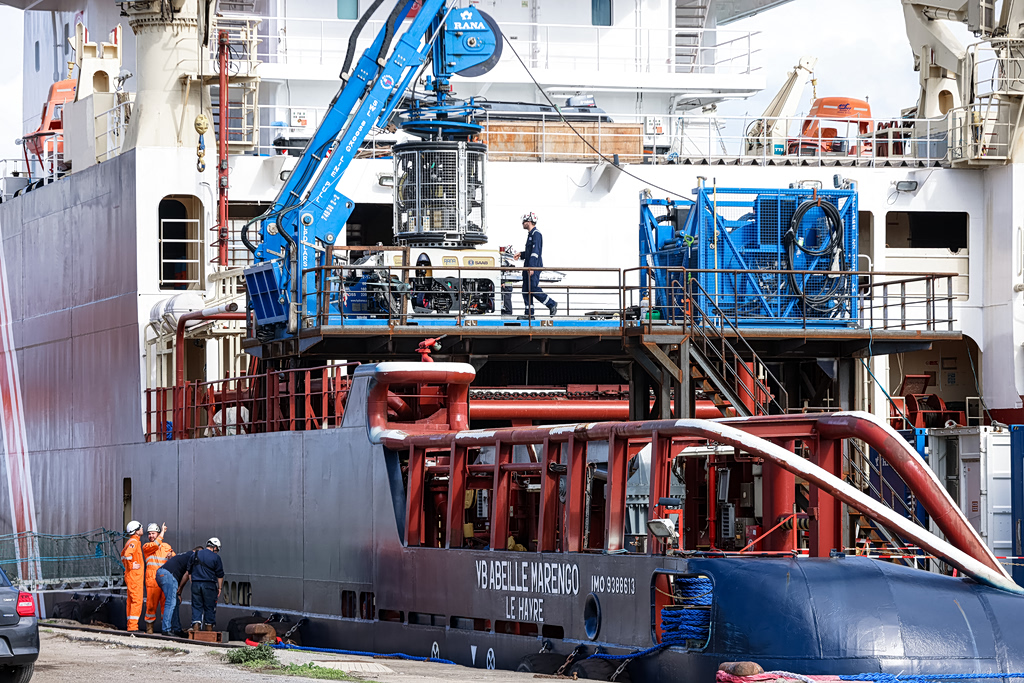
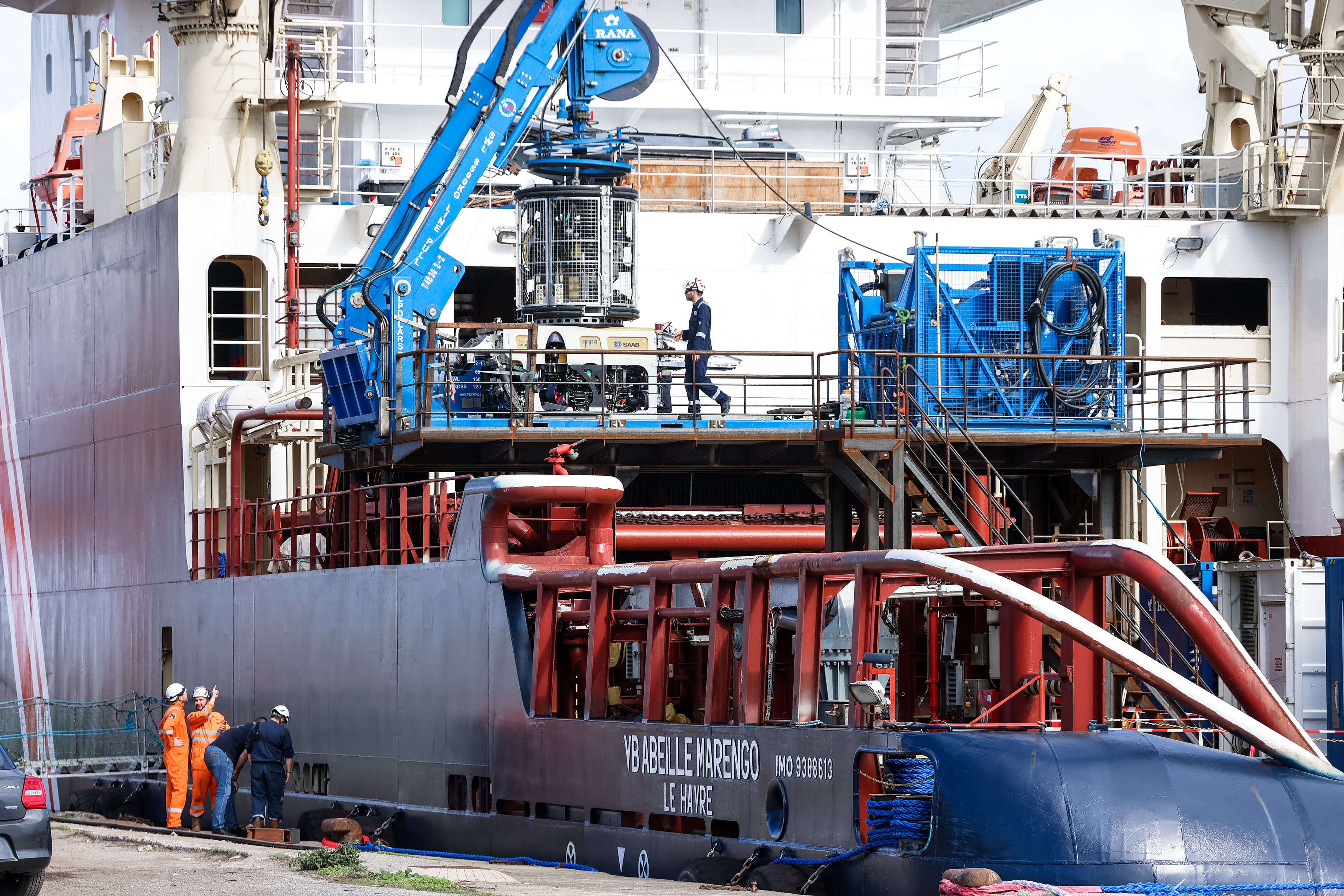
Although Ankara has adopted a more restrained tone in recent days, sources familiar with the discussions say the prevailing assessment within the Greek Foreign Ministry is that negotiations are moving in a positive direction but potential pitfalls remain. The repeated postponements of the departure of the French research vessel Abeille Marengo are seen as a reflection of those difficulties. The vessel, which is preparing to resume surveys for the Great Sea Interconnector (GSI), has yet to leave the port of Heraklion in Crete where its docked.
The Greek government maintains that permission for the surveys was sought and obtained exclusively from Greek authorities. Officials also insist that France’s decision to formally notify Turkey through a note verbale, a diplomatic communication between states, was the only viable option. The arrangement, described as written notification through established diplomatic channels, has been characterized by senior government sources as “excellent” for Greek interests. It should be noted, however, that the NAVTEX maritime notice itself also serves to provide notification of the planned activities.
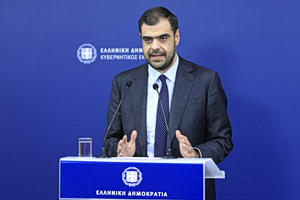
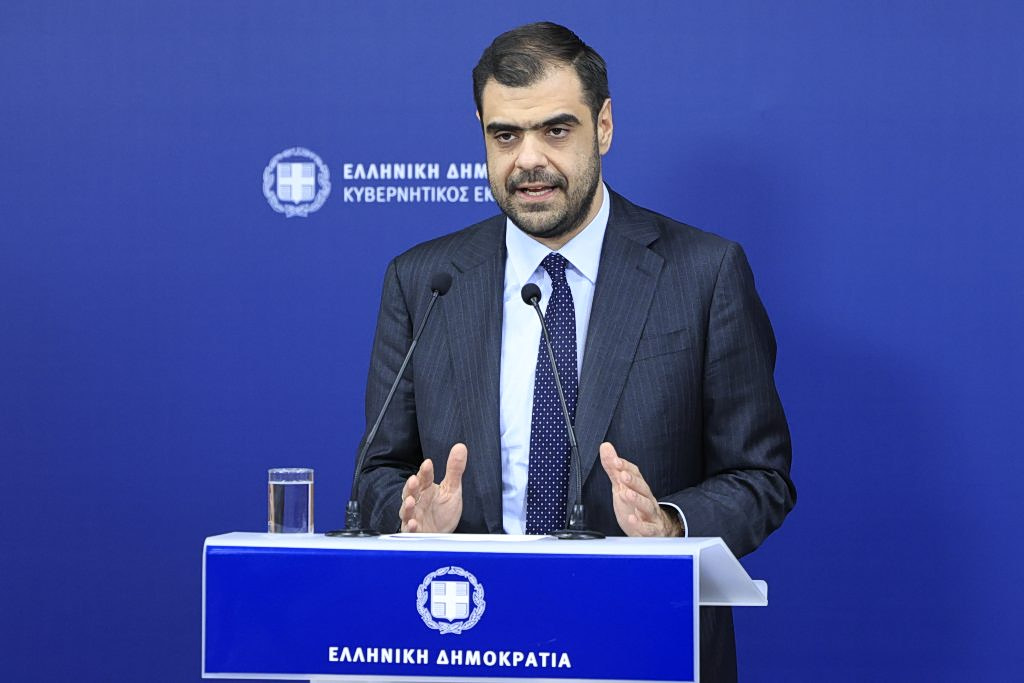
Government spokesman Pavlos Marinakis defended the French approach, arguing that it carried no implications for maritime jurisdiction. “A note verbale from France is the mildest way of conveying a message from one state to another,” he said. “It does not imply recognition of the maritime jurisdiction or rights of third countries. It is purely for navigational safety purposes and has no legal effect, nor does it recognize any rights.” That is the government’s central argument. One important question, however, remains unanswered: What exactly does the French diplomatic note say?
Greece Says It Does Not Know the Note’s Contents
International law does not require such notification of third countries when submarine cables are being laid, meaning the communication does not, in itself, produce legal consequences. Nevertheless, some observers are concerned that a formal diplomatic document exchanged between two states could give Turkey grounds to assert sovereign rights or jurisdiction, either now or in the future, particularly in the maritime areas through which the cable is expected to pass.
That makes the precise wording of the French note important, including whether it contains the vessel’s intended coordinates or other language that Ankara could later invoke to support its claims.
Athens officially maintains that it does not know the contents of the French note. However, the discussions and exchanges of recent weeks have clearly been a central focus for all three governments “Every action is fully planned by all parties involved, in accordance with international law,” Marinakis said.
The NAVTEX Dispute
What has become clear in recent days is that a high-stakes diplomatic standoff is still unfolding. Another note verbale, with revised wording, could follow if Ankara continues to seek stronger assurances before agreeing to the resumption of surveys and pledging to Paris that it will not obstruct the French vessel.
Another likely development is the issuance of a NAVTEX by Turkish authorities, as they did in response to surveys for the EMC cable project. If this happens, Athens will respond immediately with a counter-NAVTEX, continuing the familiar exchange of competing maritime notices between Greece and Turkey. A similar dispute unfolded last Friday, when Turkey also used the occasion to reiterate its claims concerning the continental shelf and maritime jurisdiction in the Eastern Mediterranean.
Athens Seeks to Avoid Another Setback
The Greek government’s ultimate objective is to see the interconnection project completed without further disruption after roughly two and a half years of delays and difficulties, most notably the suspension of surveys off the island of Kasos in July 2024.
Abandoning the project is not an option for Athens, even if the current efforts fail. The government has therefore adopted an approach based on reaching an understanding with Turkey, though indirectly, through Paris rather than through direct bilateral negotiations.
Senior Greek government officials argue that Turkey has already retreated from its original position. If there is a losing side in the diplomatic negotiations, they suggest, it is Ankara, which initially insisted that the project could not proceed without its permission. “That position no longer exists,” government sources say. Greek officials also continue to play down Turkish Foreign Minister Hakan Fidan’s remark that “everything is fine,” attributing it to the Erdogan government’s domestic political considerations. Fidan’s brief comments appeared more like a diplomatic courtesy than a substantive indication of Ankara’s intentions. While they may have conveyed a positive message, they offered little concrete evidence of how Turkey intends to proceed.
Government Denies Reports of US Intervention
The Greek government has also denied reports that the United States had intervened in the dispute, which surfaced on Monday morning. Any such intervention would have required a request from Athens, which is seeking to bring Ankara into line with international law.
Government spokesman Pavlos Marinakis and other senior officials dismissed the reports when asked about them. A diplomatic source familiar with the matter instead pointed to the strong relationship between Greece and the United States, citing remarks made in Athens about a month ago by US Secretary of State Marco Rubio, who expressed Washington’s broader support for energy projects aimed at reducing Europe’s dependence on Russian energy.
Political Pressure Over the Diplomatic Arrangement
Both Athens and Ankara are seeking to manage how the dispute is presented domestically, with the cable project having acquired considerable political significance for both governments, perhaps disproportionately so.
Prime Minister Kyriakos Mitsotakis’ government has faced relentless criticism from opposition parties, which have characterized the French diplomatic arrangement as a painful compromise. Members of the Opposition have also argued that there was no need to notify Ankara in writing, much less through a formal note verbale. It has to be noted however, that there is no separate mechanism for formal written diplomatic notification between states.
How Athens Assesses Turkey’s Next Move
Turkey, meanwhile, appears to have made the Greece-Cyprus electricity interconnection a major point of contention, putting it at odds with France and the European Union, both of which have invested in the Great Sea Interconnector (GSI). French infrastructure investor Meridiam holds a majority stake in the project.
The prevailing view in Athens is that Ankara will seek to gain as much as it can from the situation but will ultimately stop short of a confrontation at sea. The downside for Athens is that Ankara will ultimately decide how the dispute plays out, leaving the Greek government to respond on Turkey’s terms.