
 Μake us preferred on Google
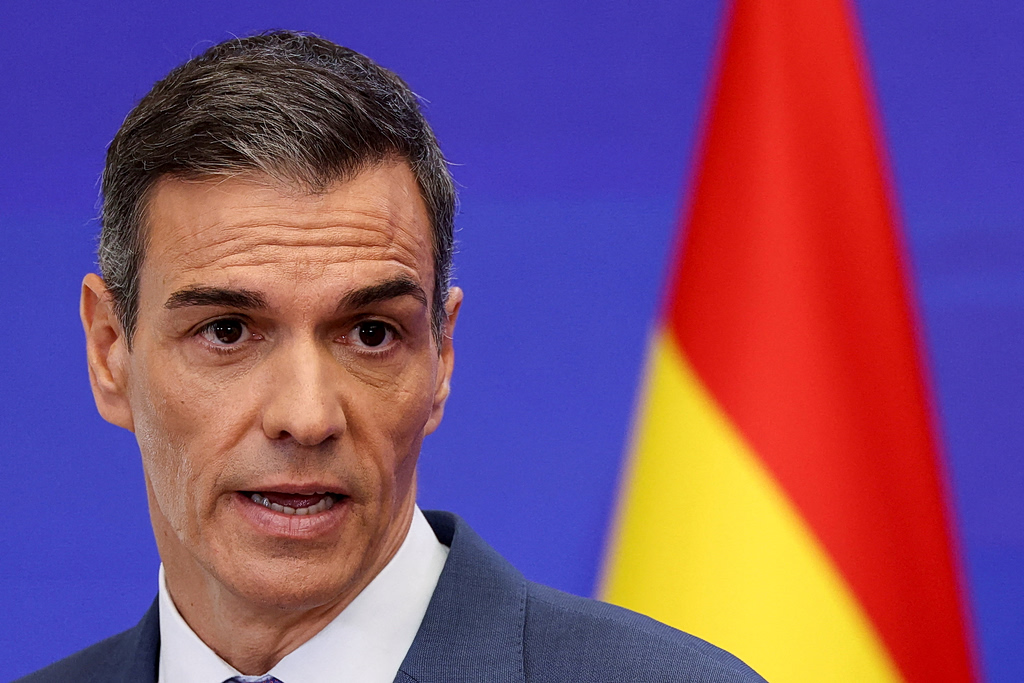
Sanchez called the early vote on October 5 following housing protests sparked by the eviction of an 87-year-old woman from her Madrid home, after the Catalan party Junts helped block his housing decrees. The campaign officially opens in four days and is expected to center on housing, immigration, corruption and the fallout from last month’s train crash.
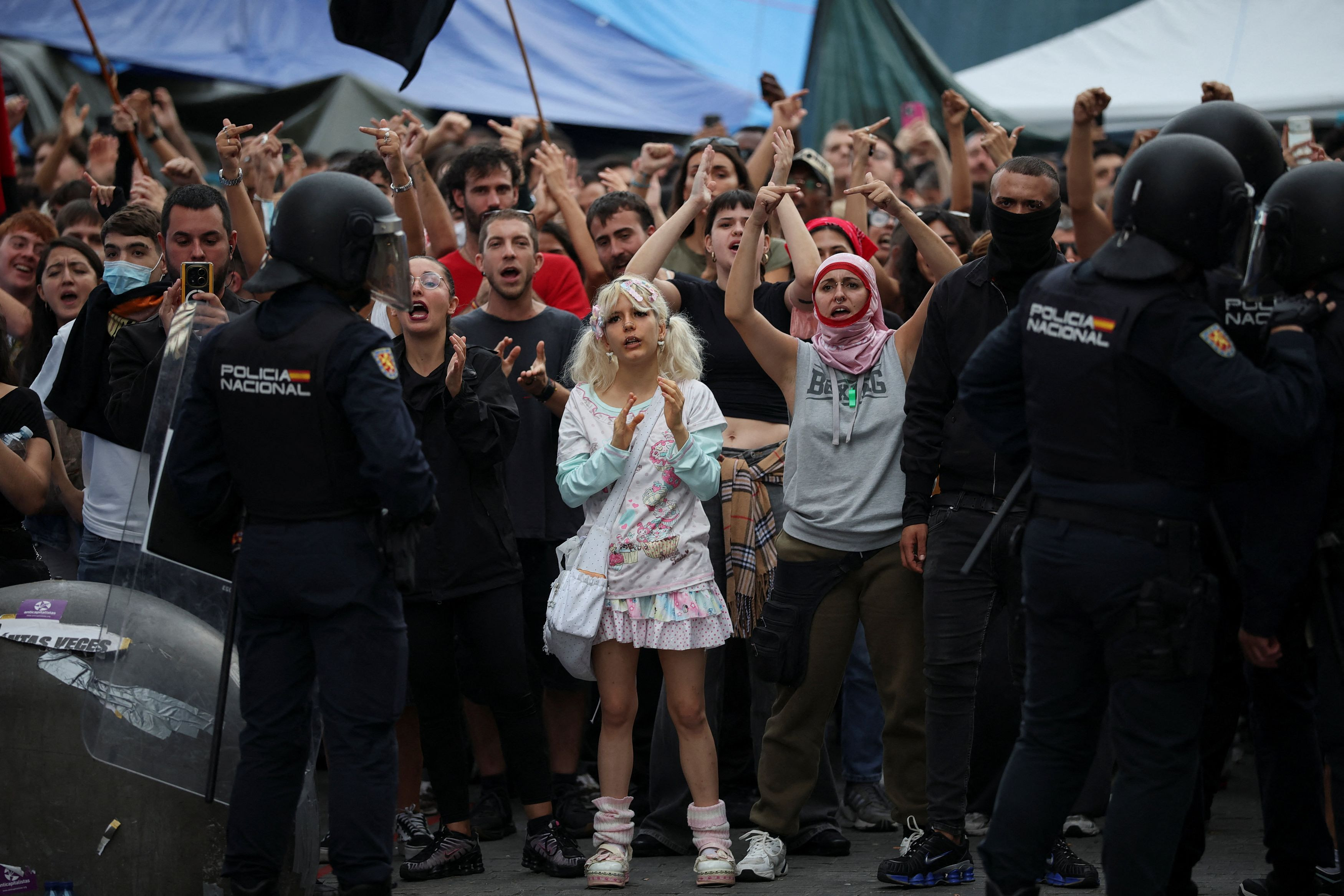
People take part in a protest against fascism at a protest camp five days after the death of Maricarmen Abascal, an 87-year-old woman whose eviction sparked housing protests in Spain, at Puerta del Sol square in Madrid, Spain, October 12, 2026. REUTERS/Alejandro Martinez Velez
The October crash near Urda was the second deadly high-speed rail accident this year, and the two have killed 115 people combined. Transport Minister Oscar Puente resigned on November 3 and will not run in the election, while Economy Minister Carlos Cuerpo is temporarily overseeing the ministry.
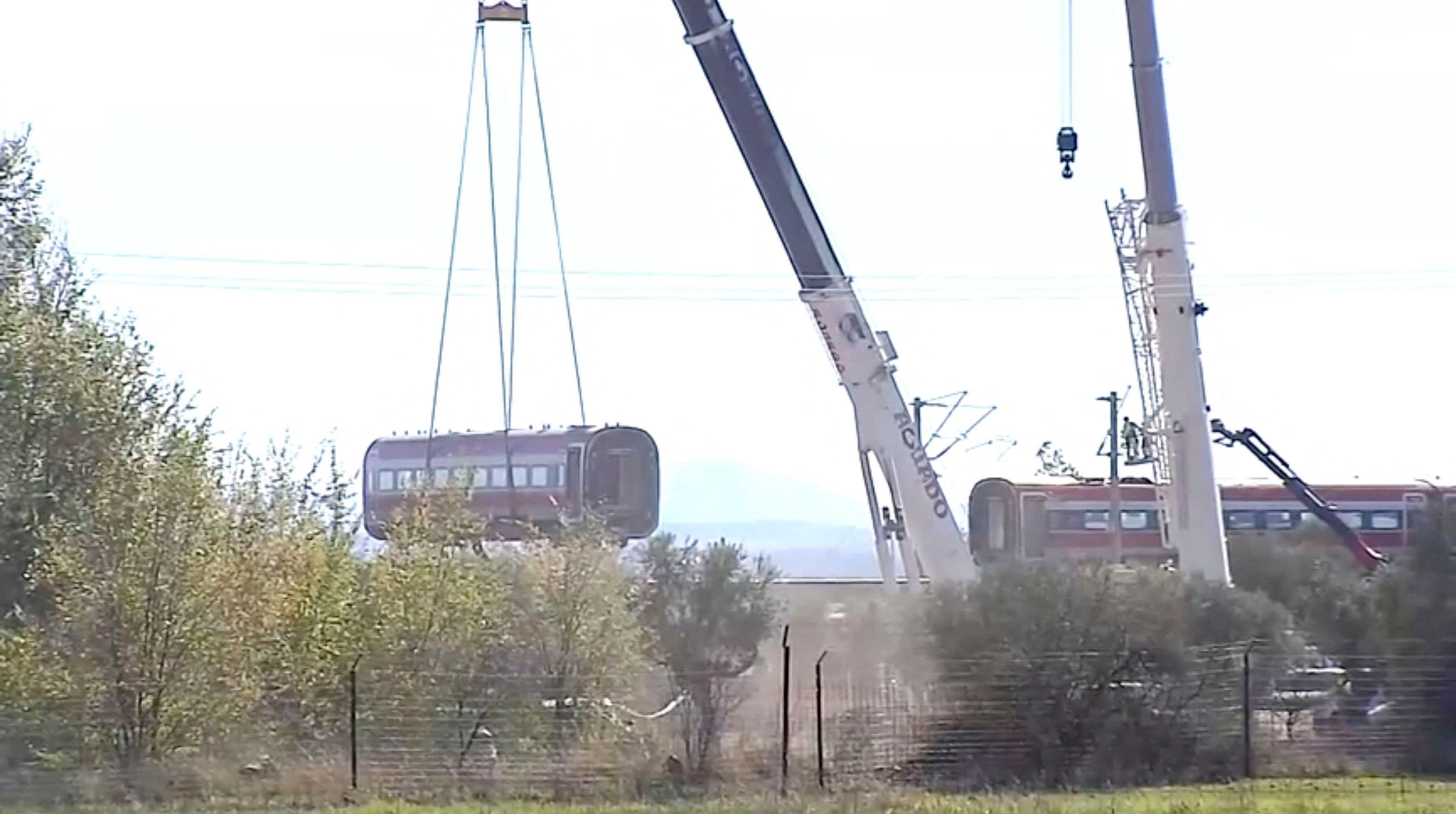
Cranes are operated to lift carriages following the collision where two high-speed trains crashed, in Urda, Spain, November 2, 2026, in this screengrab from a handout video. FORTA/Handout via REUTERS
A SocioMetrica poll for El Español gave the PP and Vox about 200 of the 350 seats in the lower house, well above the 176 needed for a majority and the 170 the two parties won together in 2023. The Socialists would take 108 seats, up two from the previous survey. The poll of 5,460 people online, with a 3-point margin of error, found a net shift of 832,000 voters from left to right.
A 40dB survey for El País showed the Socialists rising 1.8 points to 29.9%, cutting the PP’s lead to 2 points. Even so, the right would still hold about 190 seats. It polled 2,000 people online, with a margin of error of 2.2 points.
Sigma Dos, polling for El Mundo, found the Socialists regaining some of the support lost after the crash and projected 105 seats for them, against 199 for the PP and Vox. It surveyed 4,172 people, with a 2.1-point margin of error. An IMOP poll for El Confidencial, which looked at vote transfers instead of seats, found weaker loyalty among Socialist voters and stronger loyalty among PP voters, with the PP gaining largely from Vox.
A PP-Vox government would give a far-right party a cabinet role for the first time since dictator Francisco Franco’s death in 1975. The two parties already govern together in four regions.
Sanchez’s path to another leftist coalition narrowed last month when hard-left parties failed to agree on joint candidate lists. The talks broke down over who would lead the tickets in Madrid and Barcelona, and running separately hurts smaller parties under Spain’s electoral system, especially in less populated provinces. The polls suggest the Broad Front could win 10 to 15 seats, while its rival Podemos risks losing all of its representation in parliament.