 Μake us preferred on Google
Oil-producing Arab states renewed their opposition to fossil fuel transition roadmaps as COP31 opened in Türkiye on Monday, even as new UN findings revealed that requests for assistance with climate-related losses and damage exceeded available funds eightfold.
The Arab Group, which includes major oil and gas producers such as Saudi Arabia, Iraq and the United Arab Emirates, opposed references to the COP30 presidency’s roadmaps in any COP31 decision, according to the Earth Negotiations Bulletin.
The roadmaps seek to advance the transition away from fossil fuels and halt deforestation, building on earlier international commitments. The European Union supported continued work on these initiatives, alongside accelerated electrification and methane reductions.
The dispute follows a familiar pattern. At COP30 in Brazil last year, opposition from Saudi Arabia and other fossil-fuel-dependent countries helped prevent a transition roadmap from entering the final agreement.
Oil-producing countries also resisted efforts to limit plastics production during UN treaty negotiations in Geneva in 2025, instead favoring approaches focused on waste management and recycling. The disputes are closely connected: most plastics are manufactured from oil and natural gas, making petrochemicals an important market for fossil-fuel producers as the global energy transition progresses.
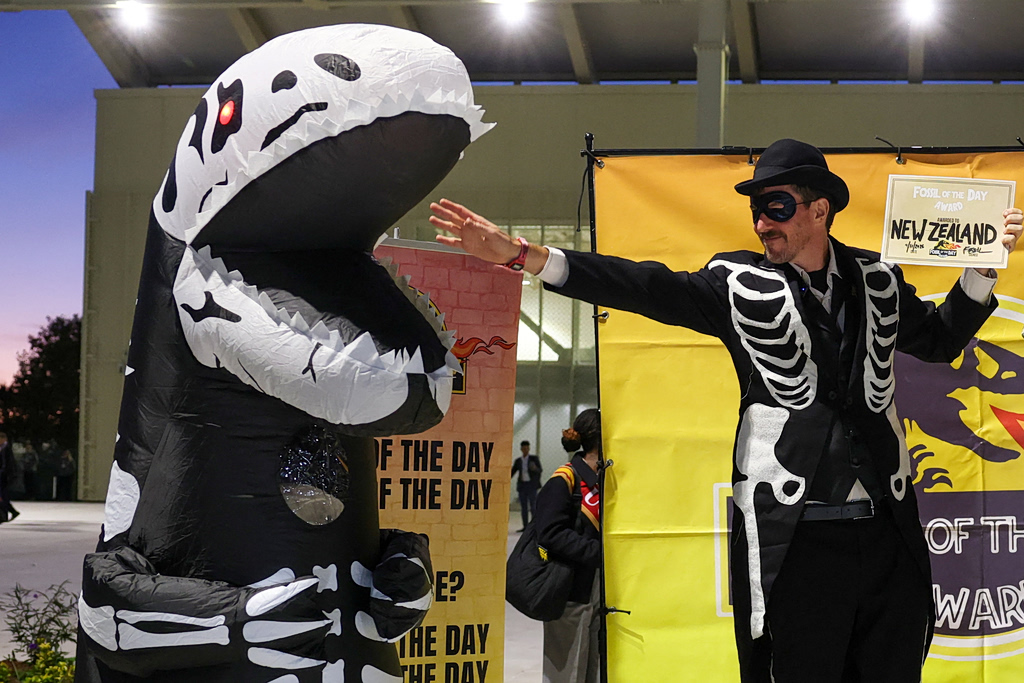
Activists take part in a “Fossil of the Day” demonstration on the opening day of the UN Climate Change Conference (COP31) in Antalya, Turkey, November 9, 2026. REUTERS/Murad Sezer
Climate Risks Rise as Emissions Cuts Slow
The renewed divisions come as scientists warn that global climate risks are intensifying.
The World Meteorological Organization reported Monday that 2026 is set to rank among the four warmest years on record, with temperatures averaging 1.47°C above preindustrial levels between January and September.
Ocean heat and sea levels have reached record highs, while an intensifying El Niño is expected to increase risks of extreme heat, drought and heavy rainfall into 2027.
Meanwhile, the European Environment Agency reported that EU greenhouse gas emissions fell by just 1.6% in 2025, marking a slowdown in reductions. With additional planned policies fully implemented, the bloc is projected to cut emissions by 54% by 2030, just short of its legally binding 55% target.
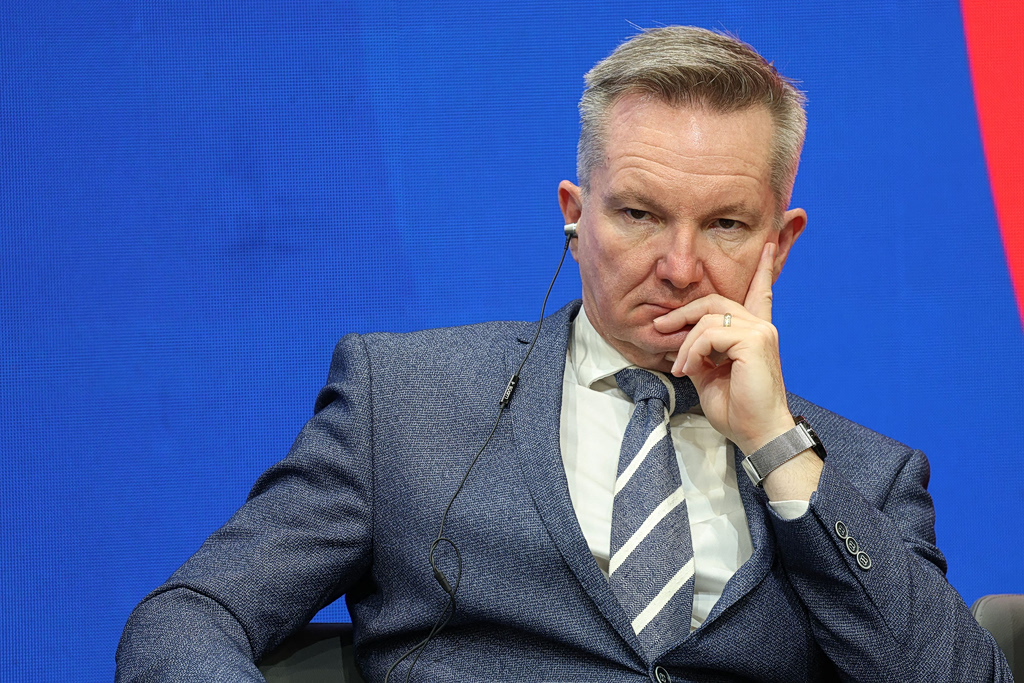
President of COP31 Negotiations and Australia’s Minister for Climate Change and Energy Chris Bowen attends the UN Climate Change Conference (COP31) in Antalya, Turkey, November 10, 2026. REUTERS/Murad Sezer
Adaptation Funding Barely Increases
Meanwhile, funding to help vulnerable countries cope with these growing risks remains far below what is needed.
According to the UN Environment Programme’s Adaptation Gap Report 2026, released November 4, wealthy countries provided approximately $28 billion in public financing to help developing nations adapt to climate change in 2024, just $1 billion more than the previous year. Yet developing countries are projected to need $305 billion annually by 2035 to protect themselves against worsening climate impacts.
Even if the COP30 ambition to triple adaptation finance by 2035 is fulfilled, funding would cover only 20% to 29% of estimated needs.
The report also found that the first funding round of the Fund for Responding to Loss and Damage attracted $2.8 billion in requests against just $342 million available.
At COP29 in 2024, countries agreed to mobilize at least $300 billion annually in broader climate finance for developing nations by 2035, alongside a goal of scaling public and private financing to $1.3 trillion a year.
Against this backdrop, the African Group of Negotiators, represented by Ghana, sought to make tripling adaptation finance a dedicated item on the COP31 agenda.
The proposal failed to secure consensus. The EU raised objections concerning the negotiating agenda and previously agreed arrangements, while reaffirming its commitment to increasing adaptation finance. Britain also reiterated its support for the financing commitment.
Although negotiators failed to agree on a dedicated agenda item, COP31 President Murat Kurum said the decision would not prevent adaptation finance from being raised under other items on the conference agenda.