 Μake us preferred on Google
The whereabouts of Iran’s stockpile of highly enriched uranium remain unresolved, leaving the International Atomic Energy Agency without a complete picture of the country’s nuclear material for roughly 18 months.
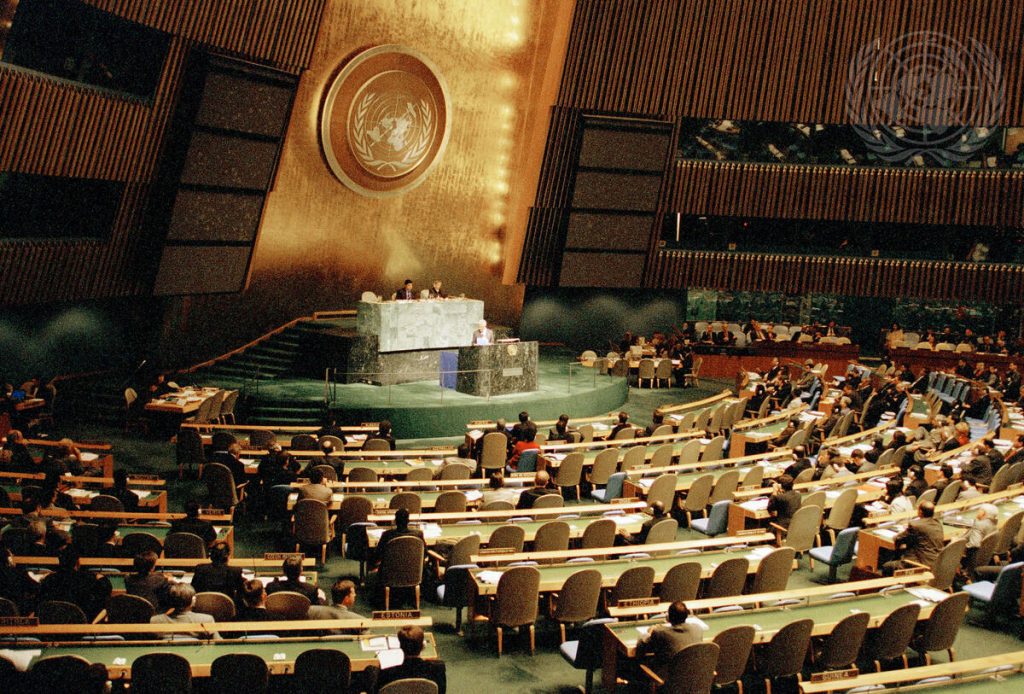
The issue took center stage Thursday at a meeting of the IAEA’s 35-member Board of Governors, where the United States, Britain, France and Germany called on Tehran to restore access to the nuclear facilities targeted in last year’s US-Israeli strikes.
In a joint statement, the four countries said the agency had lost continuity of knowledge over a previously verified stockpile. They accused Iran of “stonewalling” the inspection process and argued that there was no technical obstacle preventing inspectors from returning.
The June 2025 attacks destroyed or severely damaged Iran’s three known operational uranium enrichment plants. Tehran has not clarified what happened to its highly enriched uranium reserves, including material that was close to weapons-grade.
Inspections limited to Bushehr
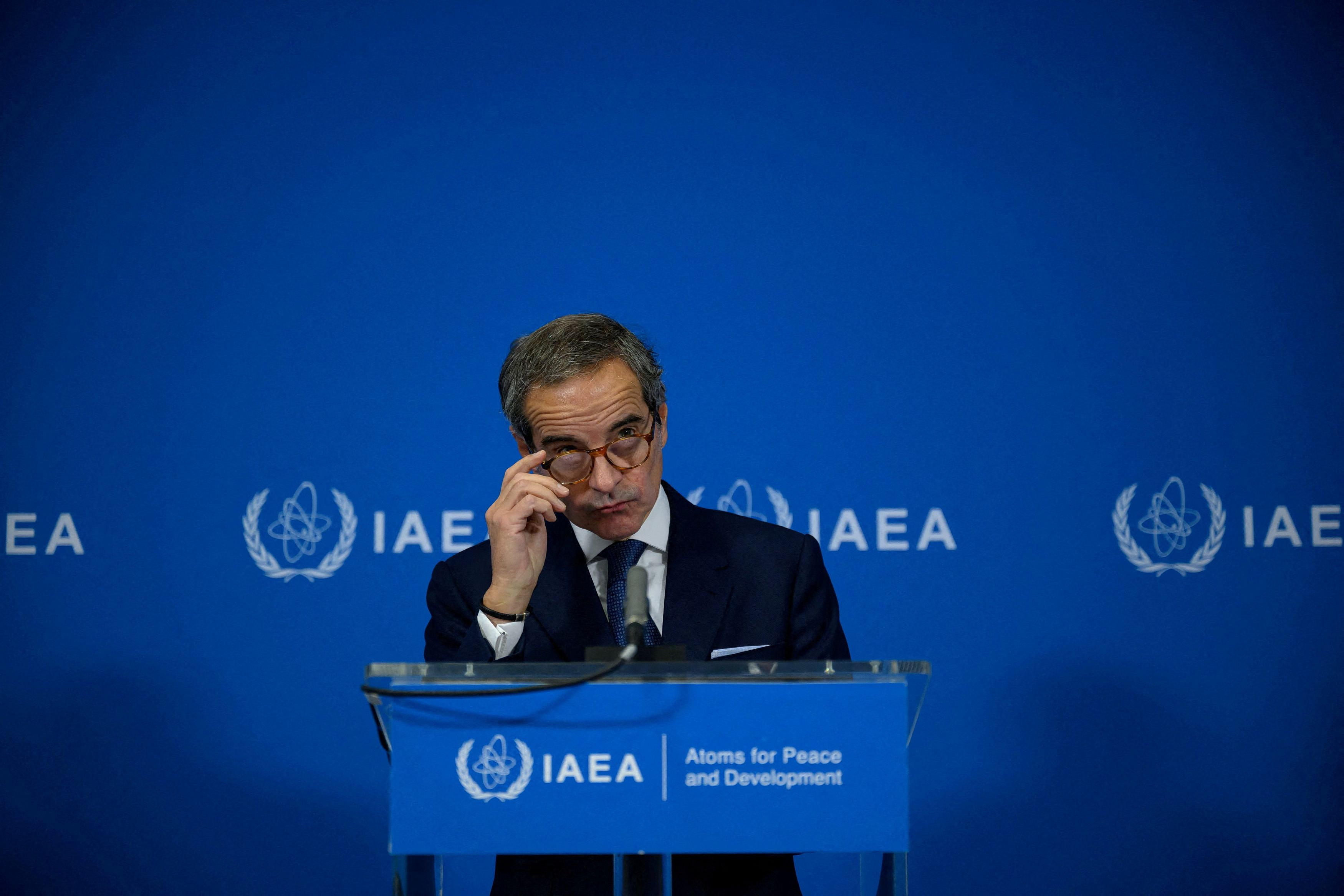
IAEA Director General Rafael Grossi told the board that the agency’s only inspections in the past quarter had taken place at the Bushehr nuclear power plant, which was not damaged in the strikes.
The Western countries said inspectors were prepared to resume work at the affected sites and urged Iran to address the agency’s outstanding concerns.
Iran, however, maintains that the inspection dispute cannot be separated from the security risks it faces following the attacks and continuing threats of further military action.
Tehran has argued that the US and Israeli strikes, along with what it describes as ongoing threats, are the underlying reasons it cannot implement its safeguards obligations. It also pointed to a US offer of up to $20 million for information about Iran’s nuclear program.
Iran has questioned whether information gathered by inspectors could be protected from being used in future attacks, noting that the United States is itself a member of the IAEA Board of Governors and would receive information obtained through the agency’s work.
Nuclear tensions remain unresolved
The latest dispute comes amid a prolonged confrontation between Washington and Tehran. The United States and Israel have not carried out another major strike on Iranian nuclear facilities since the 12-day campaign in June 2025, but the United States has been at war with Iran for nine months.
With negotiations deadlocked, speculation about the possibility of renewed strikes has grown.
The Western powers’ demand for renewed inspections therefore comes as the agency continues to lack access to the sites most directly affected by last year’s attacks and cannot account for Iran’s previously monitored stockpile of highly enriched uranium.