 Μake us preferred on Google
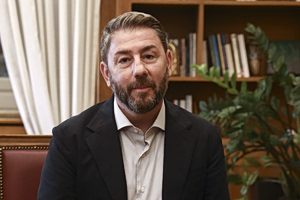
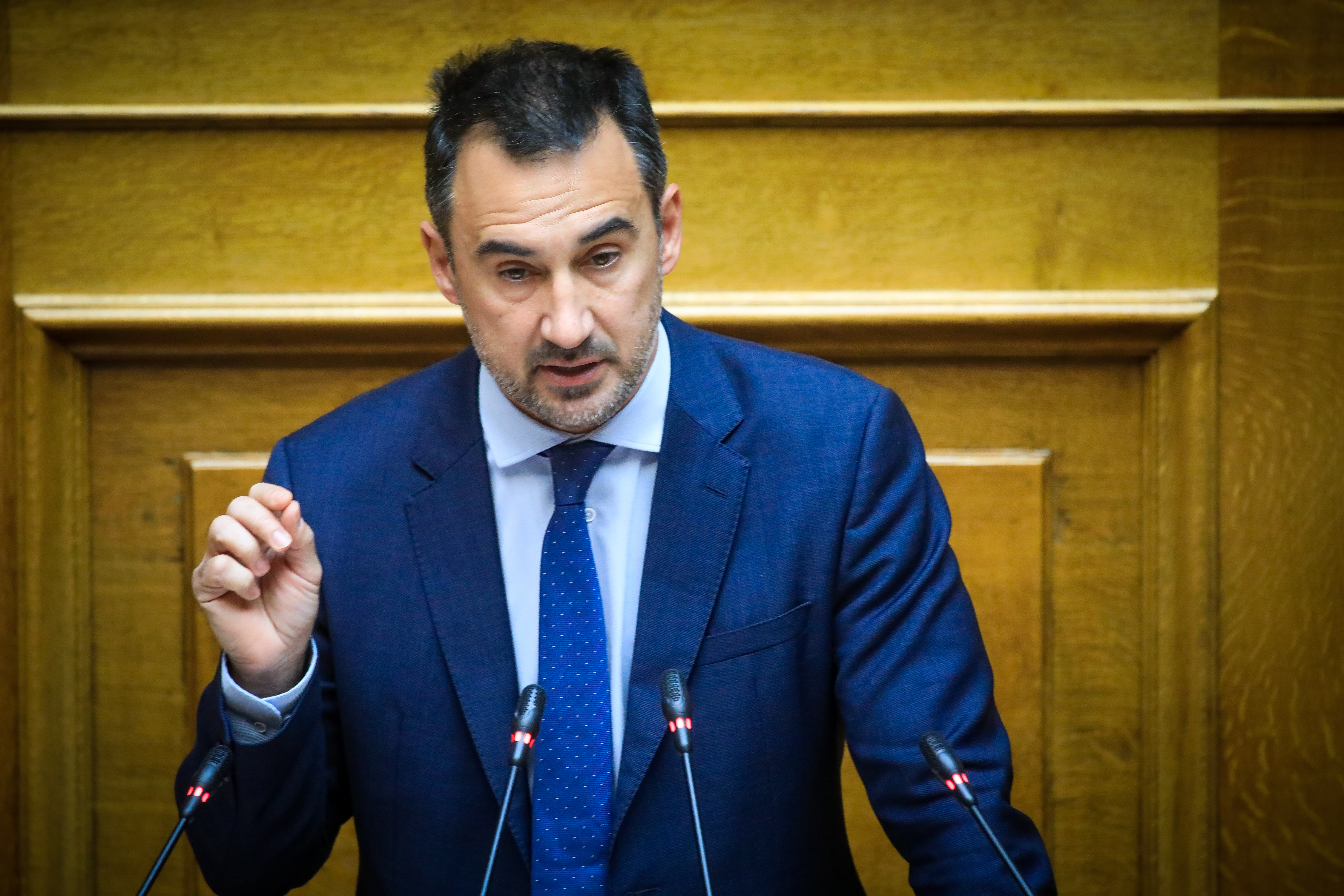
In a lengthy interview on the show “Mainades” on Mega News 104.6 with Anastasia Giamali and Gina Moscholiou, Alexis Charitsis, an independent member of Parliament for Messinia, discussed political developments, the fragmentation of the opposition and the need to shape an alternative program for the country.
Making his position on the circulating rumors clear from the outset, Charitsis categorically ruled out joining PASOK, commenting on the party’s recent political moves:
“PASOK has made its choices, it has its strategic dilemmas, and it is making its signings, from what we see. It took Ms. Kasimati. What would PASOK do with me?” He also stressed that he does not intend to resign his seat, noting that the “fashion” of resignations does not strengthen the credibility of the political system or of politicians more broadly.
Commenting on the current political situation, he said that public debate has been degraded, focusing on a superficial and personal confrontation instead of the substance of political programs.
As he put it: “We have a government that has invested all these years in communication, in a way that strips away the very substance of its policy.” He added that much of the opposition has been trapped in this game, whether deliberately or unintentionally.
Referring to social groups and poll findings about citizens “inside” and “outside the walls,” Charitsis noted that the New Democracy government relies on a specific social bloc that has benefited during the years of Mitsotakis’s rule.
He stressed, however, that the progressive camp must overcome its fragmentation and put forward a clear political plan against the right and the far right, focusing on key issues such as workers, housing and protection from foreclosures.
“The political plan is to defeat the right. A third term for this government would be dangerous for Greek society. So that must be the political plan: how to defeat the right-wing government and the rise of the far right,” he said emphatically.
Asked about the creation of a parliamentary inquiry into nonperforming loans and private debt, Charitsis defended SYRIZA’s time in government. He rejected comparisons with the current situation, stressing that during their term there were institutional safeguards to protect primary residences, despite the difficult years of the bailout programs.
As he put it: “So from 2015 to 2019, under bailout conditions, under supervision and a loss of part of our national sovereignty, there was no loss of protection for primary residences.”
In closing, Alexis Charitsis repeated that his political future remains aligned with defending the principles of the left. He said he will continue to follow with interest the efforts to bring together and rebuild the progressive camp, while stressing that many more steps are still needed to create the conditions for real political change.