 Μake us preferred on Google
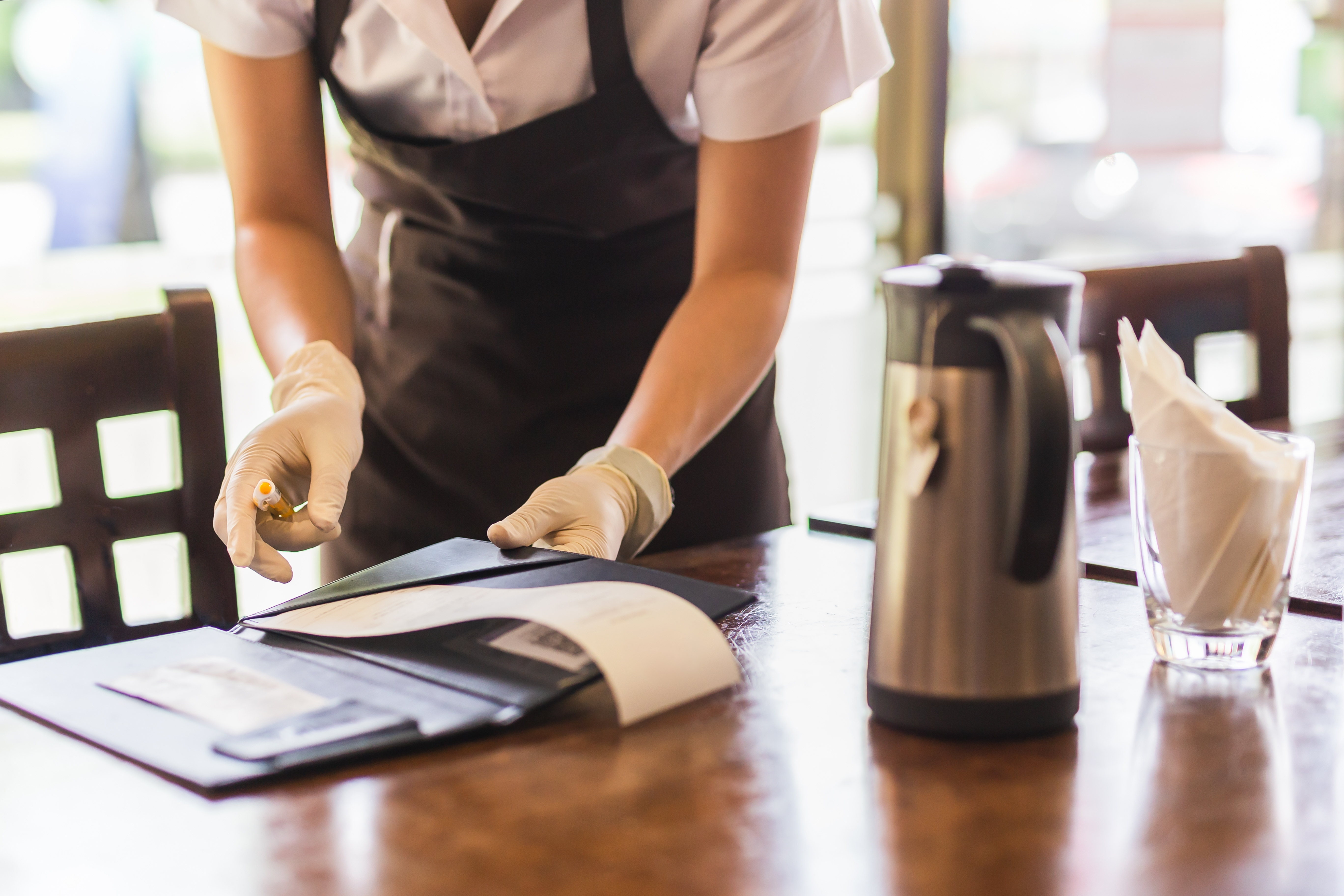
 A typically American habit is gradually spreading across Europe along with digital payments. It is not tipping itself, which of course has always existed, but the way it is now requested: on the card terminal screen, just before the transaction is completed, preset options (10%, 15%, 20%) appear for adding a specific percentage to the bill. Europe, however, is still far from the United States, where tipping is an unwritten rule for many services. According to data from Toast, the average tip at full-service restaurants in the U.S. reached 19.3% in the first quarter of 2026.
In Europe, the differences between countries are significant. A comparative YouGov survey showed that 78% of Germans who eat out usually leave a tip. In Britain, the figure was 59%, in Spain 47%, in France 37%, in Italy 27%, and in Denmark 24%. Even among those who do tip, however, the amounts are much lower than in the U.S.: about 10% in Germany and Britain and 5% in Spain, France, and Italy.
Technology is starting to change these habits. In France, 26% now use digital methods to tip, a figure that reaches 48% among people aged 18 to 24. In Italy, 37% already use a card or another digital method to leave something extra.
At the same time, however, there is pushback against the “pressure” of the screen. In Germany, only 29% find it practical for the card terminal to display preset tip suggestions. In Spain, 6 in 10 consider it inappropriate for the restaurant itself to suggest how much the customer should leave. Only 26% of Spaniards say they always leave a tip when eating out, while 63% of those who give something extra keep it to less than 5% of the bill. In Britain, where tipping is more established, 44% say they always tip when there is no service charge, while 38% do so only if they are particularly satisfied with the service.
The change, therefore, is not that Europeans are suddenly adopting 15% to 20% tips. It is that card terminals are bringing to Europe the American way of asking for a tip, turning a spontaneous gesture into an option that is automatically placed in front of the customer.
And this is happening while in the U.S. itself, so-called “tip fatigue,” the weariness caused by constant requests for tips, is spreading. A Bankrate survey found that 63% of Americans hold at least one negative view of today’s tipping culture, while 41% believe businesses should pay higher wages instead of relying on customers’ money.