 Μake us preferred on Google
 I have a confession: I hate drinking water.
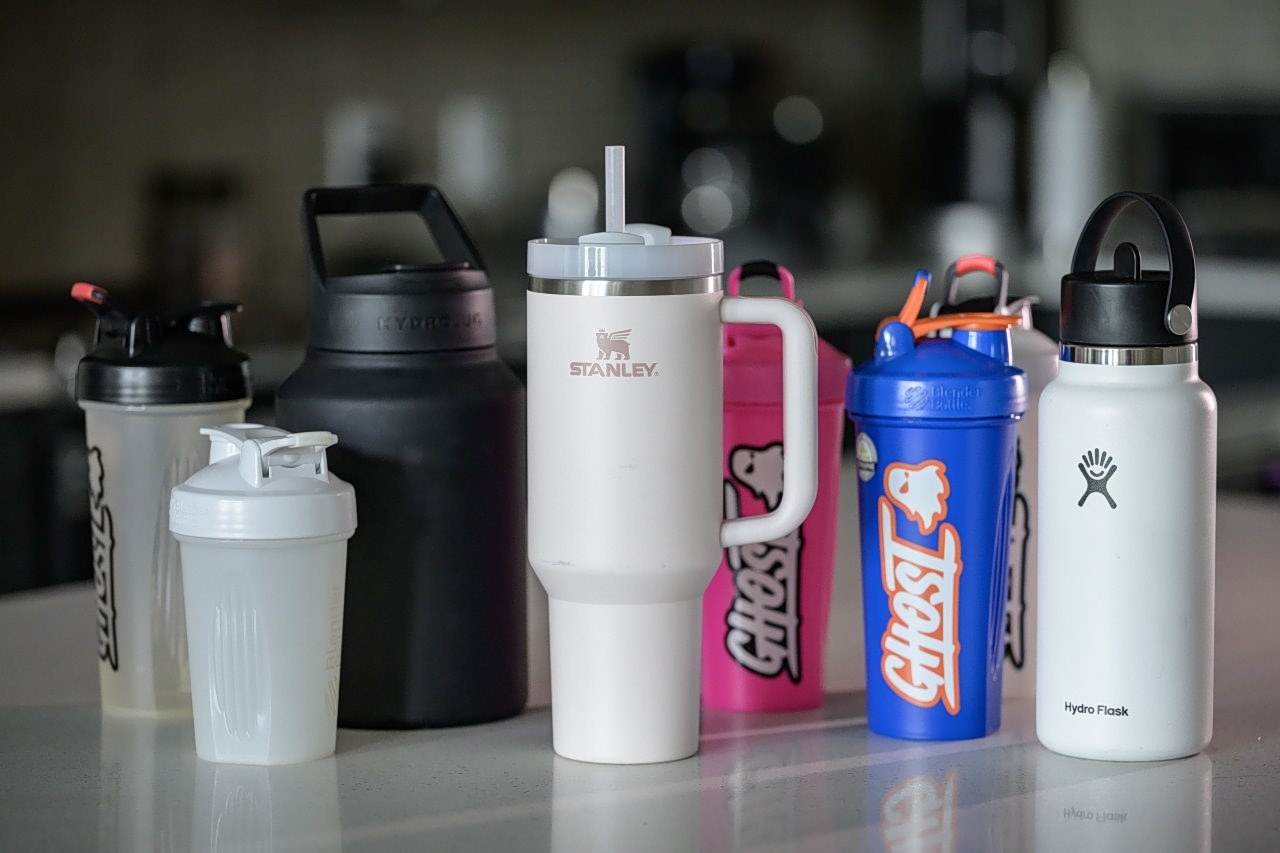
While everyone else seems to be slugging H20 from 40-ounce Stanley tumblers, I have never understood the appeal of drinking plain, tasteless water all day.
But how much water do we really need to drink a day? The question feels more pressing than ever given rising temperatures , heat waves and the fact that chugging water is almost a competitive sport these days. The answer may be less than you think and varies based on your size, health, activity level and where you live.
Don’t get me wrong, I am not underestimating the importance of water. It’s essential to all life and bodily functions and is upward of 60% of our bodies. Bad things happen when we don’t get enough of it, the main one being dehydration, a leading preventable cause of hospitalizations.
Yet, there isn’t a lot of good research on hydration, says Stavros Kavouras , founding director of Arizona State University’s Hydration Science Lab in Phoenix and DrHydration on social media.
“Water is the forgotten nutrient,” he says. “It doesn’t come with calories, so we don’t even talk about it.”
Dietary recommendations
The most cited recommendations for water come from the National Academy of Medicine, which calls for a total daily fluid intake of 3.7 liters for men and 2.7 liters for women.
But here’s the thing: That is total fluid intake, not water specifically. And here’s the other thing: Roughly 20% of our fluids come directly from food, studies have found.
That leaves roughly two liters of fluids daily for women and three for men, says Kavouras. That translates to about 68 ounces and 101 ounces from beverages.
Kavouras estimates the average pour of water in the U.S. is 12 to 16 ounces. So that works out to about four to six glasses of fluids daily for women and six to eight for men.
Differences between people
The NAM recommendations are based on population-level data, and men on average are bigger than women. Beyond body size and gender, other factors affect how much fluid you need in a day.
Activity level is a big one. Someone who is training for a marathon is going to need to drink more fluids than someone who is largely sedentary.
“The amount varies markedly on individuals based on weight, sweat rates and ambient temperatures,” says Dr. Joseph G. Verbalis , chief of endocrinology and metabolism at Georgetown University in Washington, DC.
Health risks of being underhydrated
Drinking a lower than recommended amount of fluids can have a detrimental health effect. Kavouras’s lab has found an association between people who are “low” drinkers of fluids and higher risks of conditions including Type 2 diabetes, heart disease and dementia.
Low is defined as drinking less fluids to the point of being underhydrated, but not dehydrated. This means you’re running low on fluids, but not enough to show acute dehydration symptoms, like feeling faint or confused.
Chronic low-water intake is also linked to an increased risk of developing recurrent urinary tract infections, kidney stones and some types of kidney disease, says Colleen Muñoz, director of the hydration-health center at the University of Hartford in Connecticut.
How to get enough fluids
Fortunately, your daily fluid needs can come from just about any source. Coffee and tea? Sure. Black coffee, in fact, is 99% water.
“There’s this myth that coffee is a diuretic and is going to dehydrate you, it’s not true,” says Juli MacKenna , manager of clinical nutrition at Tufts Medicine MelroseWakefield Hospital. “It makes you pee a little bit more, but coffee counts.”
Avoiding alcohol isn’t a myth, though. It is a diuretic and makes your body lose water.
Milk and juice? Absolutely fine. Soda? Even that counts. Of course, it’s always best for the primary source of daily fluids to be water to avoid unnecessary calories and sugar.
So what about sparkling water, which is where I get most of my hydration from (hello Spindrift and LaCroix!)? “Sparkling water is water; it’s not a problem if you like sparkling water,” says Kavouras.
Reading the signs
What is the easiest way to tell if you are drinking too much or too little? Bathroom frequency and the color of your pee.
Dark yellow urine signals you’re not drinking enough. Clear pee means you’re drinking too much fluids. Light yellow is the sweet spot. “We’re not looking for clear, we’re looking for light yellow,” says Muñoz.
Other symptoms of not drinking enough fluids can include headaches, fatigue and confusion, she says.
Drinking too much water can also be dangerous, though severe cases are rare. Our kidneys can handle a lot of fluid. That said, there are cases of endurance athletes drinking excessive fluids, resulting in life-threatening conditions like hyponatremia, when blood sodium levels drop too low.
Special health considerations
Certain health conditions require people to drink less fluids, says Verbalis. This includes congestive heart failure and kidney and liver failure. It also includes a couple of rare medical conditions.
“If you don’t have those diseases and you’re drinking more than you need, the kidneys are going to excrete that and you’re not going to get into any trouble other than urinating more frequently,” Verbalis explains.
On the other hand, people at risk for kidney stones are often advised to drink more water to prevent stone formation.
Bottom line
Drink with your meals and when you’re thirsty. For most of us, that will keep us well hydrated. One caveat: Some researchers warn thirst can be delayed or reduced with age or certain medications.
“Our kidneys are really, really good at holding on to water when we need it and excreting it when we have too much,” says Derek Daniels , a professor of biological sciences at the University at Buffalo, who studies thirst.
So hydration is important, but you don’t need to turn drinking water into a full-time job. In other words, you can safely leave the 40-ounce tumbler at home.
Write to Sumathi Reddy at Sumathi.Reddy@wsj.com