 Μake us preferred on Google
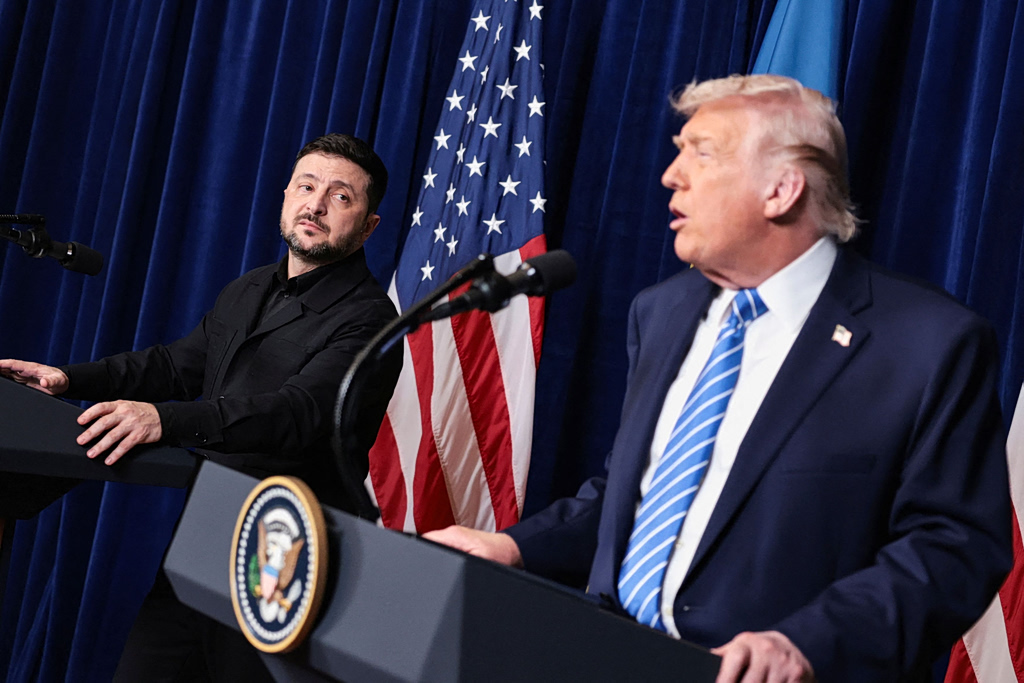
Donald Trump’s Iran war is not playing out as the president anticipated given that the high prices of oil and diesel are battering the global economy and American voters just weeks before the midterm elections.
But the chaos created by an escalating conflict in the Middle East appears to be progressing one of Trump’s goals: extending a US-led sphere of influence with vast energy resources that boost Washington’s global influence.
Oil production is booming in the Americas, with Canada, Guyana, Brazil and the US all setting fresh records this year just as energy-starved customers in Asia, Europe and elsewhere need to replace more than 2bn barrels lost due to the Iran war. The surge in exports is being matched by increasing investment, as customers seek to diversify their energy supplies amid concerns the Middle East conflict could last much longer than initially anticipated.
“Even countries in the Gulf will seek diversification by investing in the Americas,” Daniel Yergin, vice-chair of S&P Global and author of The Prize: The Epic Quest for Oil, Money and Power, told Energy Source.
Schreiner Parker, analyst at Rystad Energy, said: “The rise in production in the western hemisphere has taken the medium-term pricing discretion away from the Gulf Cooperation Council, particularly the Saudis. Venezuela, Argentina, Guyana, the US and Canada are all going to play a role in that story.”
You can read more about the Americas’ oil boom and the role of Trump’s “Donroe doctrine” (which is named after a policy announced by former president James Monroe in 1823 declaring that the western hemisphere was off-limits to future European intervention) in today’s FT.
For our main item I take a look at an alarming report published by S&P Global, which focuses on how the global energy crisis could be followed by a food security crisis. Thanks for reading, Jamie
Is a global ‘food shock’ looming?
The global energy shock sparked by Trump’s Iran war has pushed up fuel prices and created an affordability crisis stretching from New Delhi to New York. But is there worse to come now that hopes of a speedy end to the conflict have been extinguished by an upsurge in attacks by Houthi rebels against Saudi Arabia?
That is the depressing verdict of S&P Global Institute, which has issued a stark warning that a food security crisis is a major risk due to the combined impact of geopolitical conflicts and one of the strongest ever recorded El Niño events, a naturally occurring phenomenon that increases weather-related risks.
“The world’s food producers rely on a steady supply of natural gas and sulphur for fertiliser, diesel for machinery and transport, and open sea-lanes for trade . . . Conflict is now testing all of them at once,” said the first major report published by the S&P Global Institute.
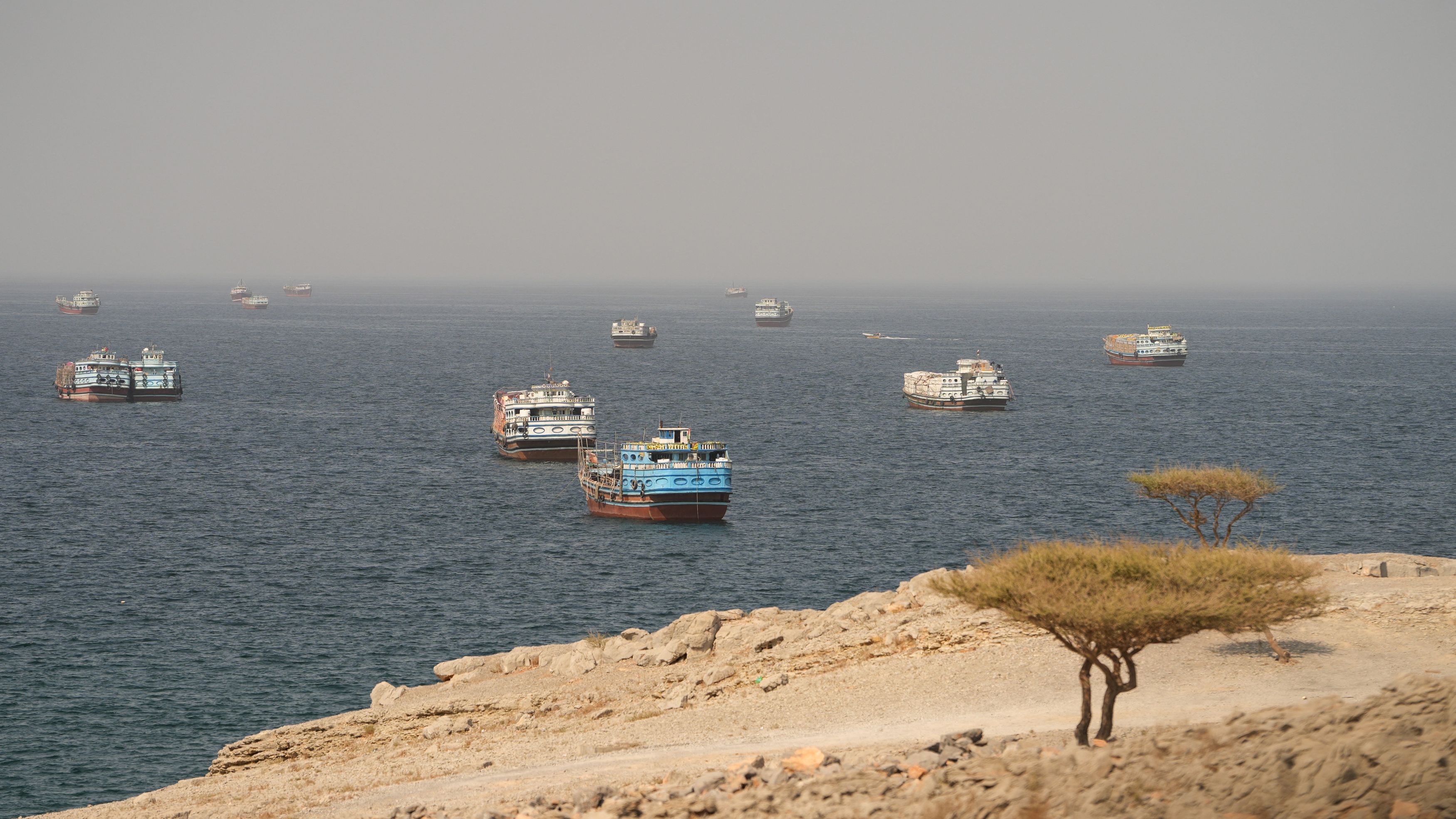
As Energy Source has tracked over the past seven months, Iranian attacks on tankers in the Strait of Hormuz, a chokepoint out of the Gulf, have blocked more than 2bn barrels of crude from global markets as well as large amounts of diesel and liquefied natural gas.
But there has been much less focus on the role that the Middle East plays in supplying fertiliser, as well as the feedstocks that other countries rely on to make a product that is critical to food production. Almost a third of the global trade in urea — the world’s most widely used nitrogen fertiliser — typically passes through the strait.
Almost half the global trade in sulphur, a key nutrient in fertiliser that stimulates plant growth, passes through the strait. About a fifth of the merchant trade in ammonia, another component of urea, does the same and has faced severe disruption due to the war.
Making fertiliser is also a highly energy-intensive business, and skyrocketing costs of natural gas and diesel — an important fuel for farmers — are adding to the pressure on food production.
South Asian fertiliser suppliers have been particularly hard hit due to their reliance on LNG to produce urea. Gulf producers are an important source of urea in India, while LNG supplies support about 85 per cent of its domestic urea production. In Bangladesh, a lack of LNG has resulted in four of the country’s five urea fertiliser plants ceasing operations since March 2026.
Sulphur prices doubled to $1,000 per metric tonne between January and July following the start of the Iran conflict. It has since eased back to $810 per metric tonne at the end of September. Exports are estimated to have fallen 39 per cent to 6.1mn metric tonnes in the second quarter, compared to the same period in 2025.
The global squeeze on supplies of diesel is hurting farmers everywhere, including in the US, where prices remain near a record high of $6.52 a gallon reached last month. The Middle East and Russia normally account for half of global net diesel exports, according to S&P Global, which says exports from the Middle East have fallen by more than half since July 2025 to less than 1mn barrels per day in July 2026. Ukrainian drone attacks on Russian refineries and an export ban implemented by Moscow have pushed shipments from about 1mn b/d to zero.
“The conflict has driven diesel prices up much faster than crude oil prices, exposing farmers to a sharp increase in operating costs,” the authors write.
“Faced with this increase, on top of more expensive fertiliser, farmers in the most affected regions either have to reduce fertiliser purchases and the rate at which they apply fertiliser to their crops, or they may choose to reduce the acreage that they plant. Either way, less food would be produced than would otherwise have happened.”
The surge in fuel prices has also made biofuels more competitive with petroleum, which incentivises farmers to plant crops that can make them, often at the expense of food crops. For the first time in recorded history, biofuels became cheaper than oil-based shipping fuels in Europe last month.
The report says the next planting cycles will show whether today’s fertiliser and energy shock becomes tomorrow’s harvest shortfall. The first test will come in Brazil, India and the autumn fertiliser application season in the northern hemisphere, it says.
And if farmers weren’t facing enough stress due to geopolitics, they also face what one UN World Food Programme expert has dubbed a “Godzilla” El Niño. The National Oceanic and Atmospheric Administration projects sea surface temperatures to reach at least 2 degrees centigrade above normal — a threshold only reached in seven episodes since the 1950s.
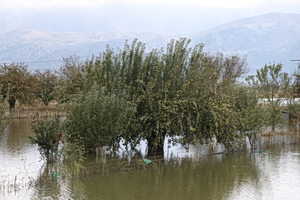
The weather shock threatens to unleash severe droughts and floods across important Asian, African and Latin American breadbaskets in 2027.
The international system retains few buffers to absorb simultaneous multi-regional harvest failures if current meteorological forecasts materialise.
S&P Global modelling shows:
- Brazil’s corn output forecast has been reduced by 6mn metric tonnes to 137mn metric tonnes. A further decline of 10mn metric tonnes is possible if El Niño intensifies.
- Brazil’s soyabean output forecast — a major feedstock for Chinese livestock — is 6mn metric tonnes lower at 177mn metric tonnes and could fall further.
- Australia’s wheat production area has fallen 13 per cent year on year and output could fall to 22mn metric tonnes, compared with a current forecast of 28mn tonnes.
- India’s rabi wheat crop faces downside risk if monsoon deficits persist. September rainfall was about 14 per cent below average.
- Palm oil production in Indonesia and Malaysia faces downside risks of 5.8mn metric tonnes and 2.5mn metric tonnes, respectively.
S&P warns the impact on food production from conflict and El Niño has been slower to register than changes in oil prices but is a major risk that needs to be considered by policymakers.
“A global food crisis is not foreordained. But neither is it any longer a distant risk. If war continues to impede the movement of energy and fertilizer, and if weather cuts harvests across several major producing regions, the elements of such a crisis will be falling into place,” concludes the report.
The effects of such a “food shock” would be very different across countries. Rich economies would experience higher prices in the grocery store, another bout of inflation and pressure on living standards that pose challenges for governments. For lower-income food-importing countries, the stakes are even higher, as the “politics of bread” can quickly translate to social unrest.
Energy Source is written by Jamie Smyth, Martha Muir, Alexandra White, Rachel Millard, Malcolm Moore and Stephanie Findlay with support from the FT’s global team of reporters. It is edited by Benjamin Wilhelm. Reach us at and follow us on X at . Catch up on past editions of the newsletter .
Link To FT.com: https://www.ft.com/content/52fab4c1-0561-43ce-bc3c-0d43f6e217c5
Copyright The Financial Times Limited 2026
© 2026 The Financial Times Ltd. All rights reserved. Please do not copy and paste FT articles and redistribute by email or post to the web.