
JERUSALEM—The Lebanese militia Hezbollah didn’t step in to help its patron Iran when it was at war with Israel last year. This time around, Hezbollah did, sending small volleys of rockets and drones into northern Israel on Monday morning, opening a new front in the conflict.
It was a moment that Israel was waiting for. The Israeli military has conducted small-scale attacks on Hezbollah targets even though it had agreed to a cease-fire in November 2024. But Hezbollah’s decision to enter the fray has been taken by Israel as an opportunity to further degrade the group, which it pummeled but didn’t destroy.
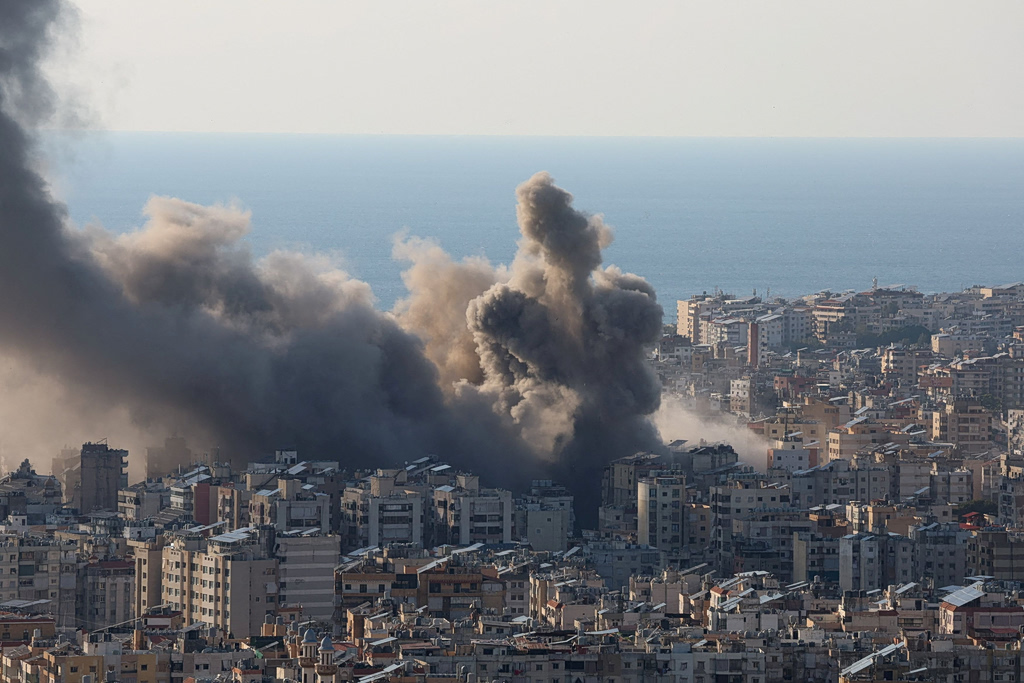
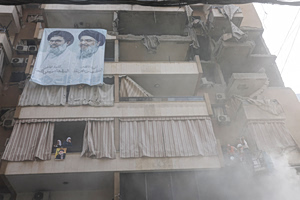
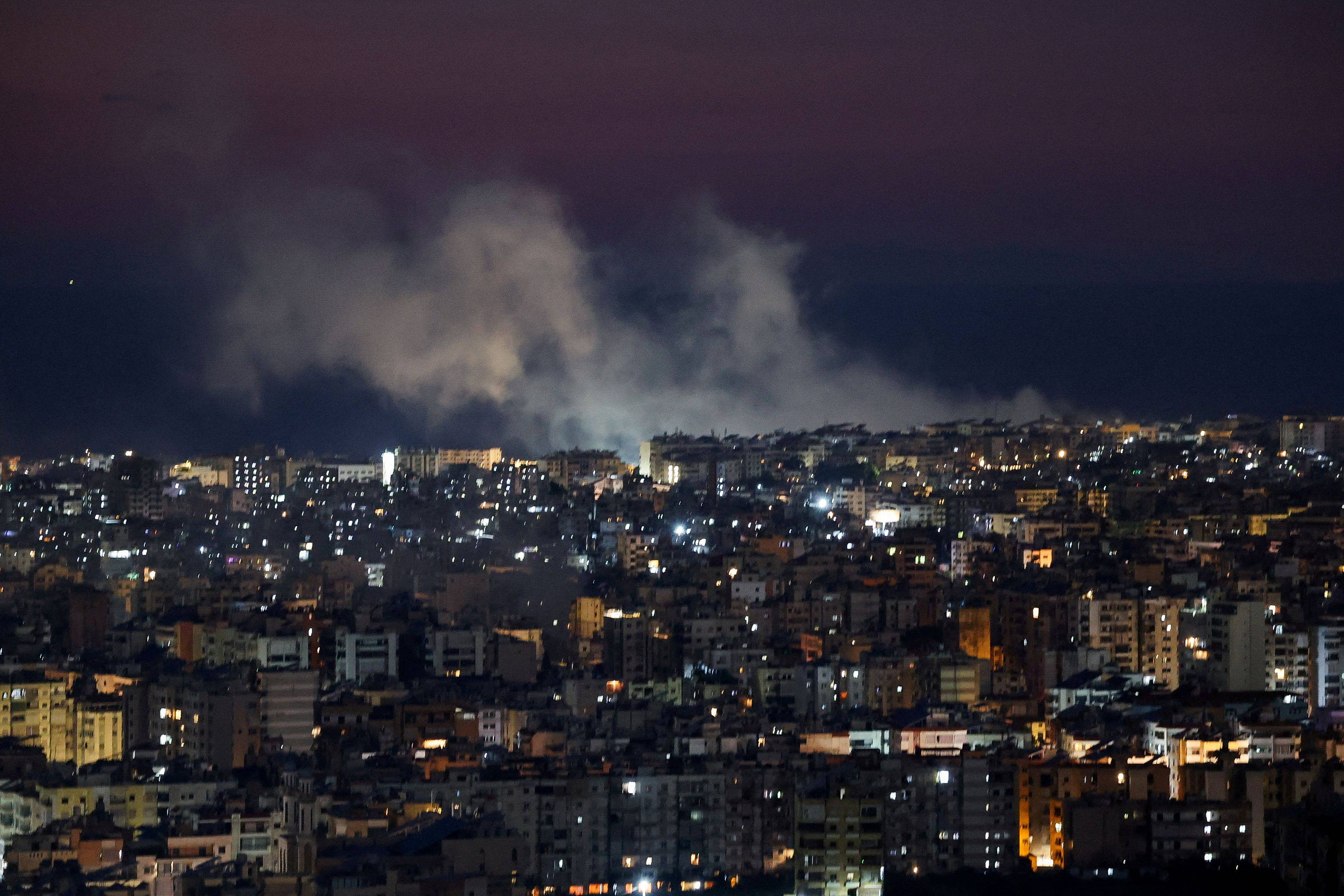
Smoke rises after an Israeli strike on Beirut’s southern suburbs, following an escalation between Hezbollah and Israel amid the U.S.-Israel conflict with Iran, Lebanon, March 2, 2026. REUTERS/Mohamed Azakir
Leading up to the conflict with Iran, Israel had laid the groundwork for a major offensive against Hezbollah and was waiting for the group to initiate any attack before launching its own, according to Israeli officials. Israeli officials said the group was regaining strength and would eventually strike, giving them a reason to hit back hard.
The exchange of attacks opened up a new front in the conflict that is rapidly expanding across the Middle East, set off early Saturday when Israel and the U.S. launched a flurry of strikes against Iran. But it is unclear what help Hezbollah can actually provide as the group’s capabilities have been weakened by Israel in recent years.
Analysts say Hezbollah’s decision to strike Israel could backfire badly. The small scale of the attack—one projectile was intercepted and several others fell in open areas—didn’t appear to be an earnest attempt to inflict damage on its much more powerful opponent, and Israel predictably responded with full force.
“If you’re Hezbollah, you realize that if you’re in for a penny, you’re in for a pound with the Israelis, and if any bullet crosses the border there is going to be a war,” said David Daoud , senior fellow specializing on Israel, Hezbollah and Lebanon at the Foundation for Defense of Democracies, a think tank.
Daoud said he expected Hezbollah to sit out the fight unless its patron was in existential peril, but added that what he called the group’s “measly opening salvo” made little strategic sense.
Some of Iran’s other regional allies, mainly Shiite militias in Iraq, have threatened to join in the attacks by targeting U.S. security and energy assets. Yemen’s Houthi rebel group has so far stayed out of the conflict but in the past has wreaked havoc on global shipping by attacking ships in the Red Sea.
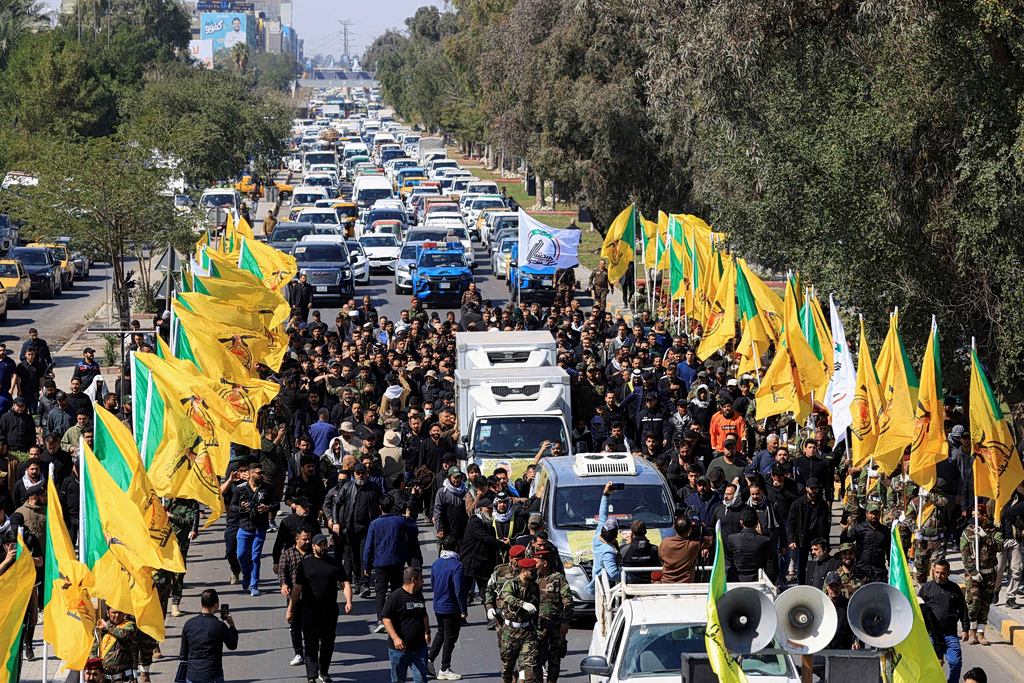
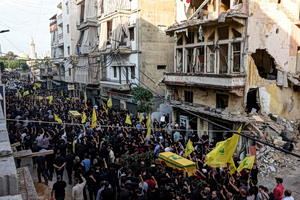
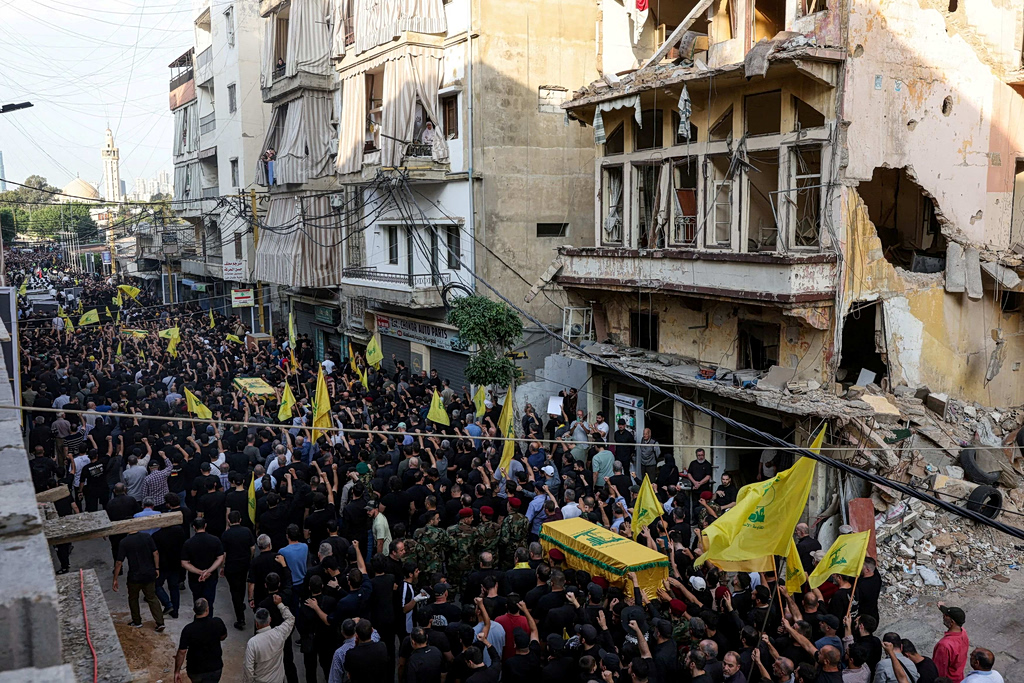
Mourners attend the funeral of members of the Iraqi armed group Kataib Hezbollah who were killed in an airstrike that targeted a Hashd al?Shaabi headquarters near the western al?Qaim district on the Syrian border, amid the U.S.-Israel conflict with Iran, in Baghdad, Iraq, March 2, 2026. REUTERS/Thaier Al-Suda
Hezbollah said it attacked the Israeli port city of Haifa in response to the killing of Iranian Supreme Leader Ayatollah Ali Khamenei.
Hezbollah was quick to join the fighting after its ally Hamas attacked Israel on Oct. 7, 2023. Its ensuing war with Israel continued for months and left the group severely weakened by the time it reached a cease-fire with Israel in November 2024.
“This is the worst decision [Hezbollah] have ever made,” said Ali Salame, a resident of southern Lebanon who was wakened in the middle of the night by the sound of rockets overhead. He said he blamed the group for the suffering of displaced civilians stranded on rural roads.
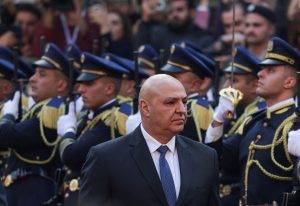
The return to fighting also angered Lebanon’s government, which has struggled to rein in the group. Lebanon’s prime minister, Nawaf Salam, called Hezbollah’s strikes a reckless act that endangered national security and handed Israel a pretext to attack. Salam said the group must give up its weapons, a condition of the cease-fire, and limit its role to legal political activities.
The pact, brokered by the U.S. and France, required the creation of a buffer zone south of Lebanon’s Litani River and Hezbollah’s disarmament. The Lebanese government hasn’t been able to get the group to comply. Israel also never fully left the area, keeping troops at five strategic outposts inside the buffer zone.
Israeli troops had reinforced Israel’s northern border in anticipation of a fight, said Nadav Shoshani, a spokesman for the Israeli military. After the initial U.S. and Israeli strikes on Saturday, an Israeli military official said some 110,000 reservists had been called up to support the effort, particularly by reinforcing the northern border.
Israel says its rapid reprisal targeted senior Hezbollah operatives, command centers, launch sites and the last of the group’s veteran commanders. So far, Israel said, it had confirmed the death of Hussein Makled, Hezbollah’s intelligence chief, who was killed in Beirut. Israel said he worked closely with commanders who carried out terrorist attacks.
It appears Israel has no plans to let up on Hezbollah. Israel’s military chief of staff, Eyal Zamir, told officers to “prepare for many prolonged days of combat ahead.”
Israeli and U.S. officials said Hezbollah has been recouping quickly since the November 2024 cease-fire, helped by hundreds of millions of dollars of smuggled cash from its sponsor, Iran. They said the group was acquiring new rockets and reactivating members of its fighting force that had been inactive for more than a year.
“Israel has been constantly degrading them, but no matter what, the pace of their recovery is faster,” said Amir Avivi, a former senior Israeli security official close to the Israeli government.