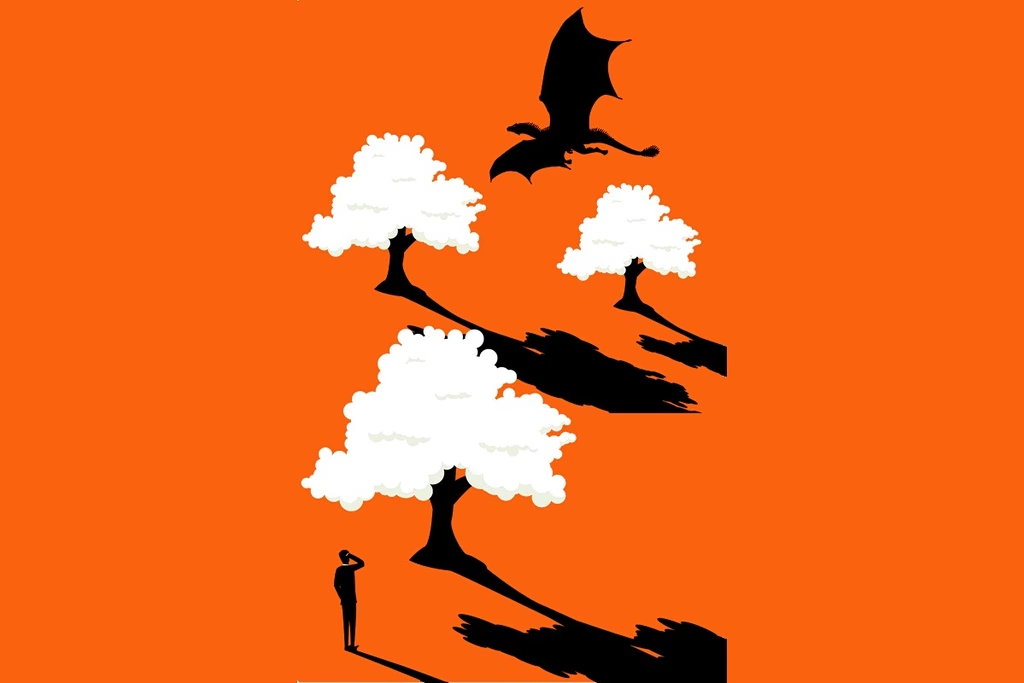
The public debate over AI is usually framed in practical questions. But beneath them lies a deeper one: What exactly are we comparing the machine to?
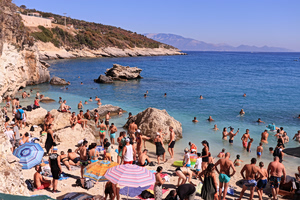
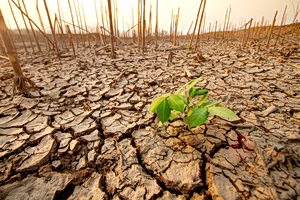
Greece faces an uncomfortable contradiction: it's economic engine depends heavily on sectors that cannot function without reliable water and runs hardest during the hottest and driest months of the year
The map is the trap.
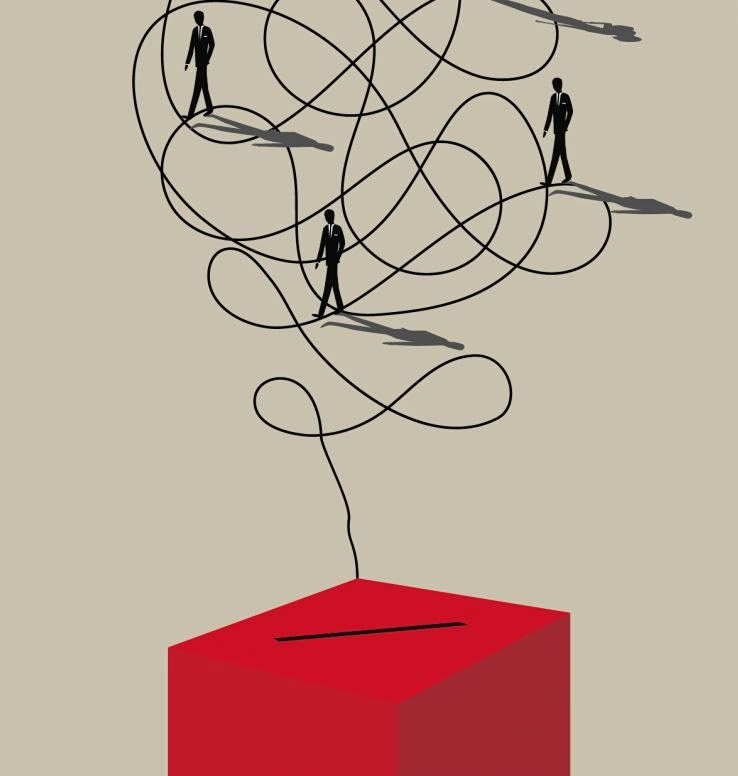
A persistent anxiety runs through Western democracies, often reflected in the tone of public debate, in the exhaustion of citizens, in the speed with which anger can become a political manifesto. This is a crisis of political culture.
None of the opposition parties — nor any future parties yet to be announced — can force elections. But neither do they have any reason to rush toward the ballot box by rubbing the genie’s bottle themselves.
Political parties are gearing up, the questions of internal change loom
From Manhattan to Kalavryta, a bishop’s quiet rebuke exposed the widening divide between diaspora nationalism and the Orthodox tradition of philoxenia, reminding Greek-Americans that migration is not a threat to Greek identity but part of its history
A Missed Opportunity in Santa Marta
What is good can always be improved. That, in essence, was the message conveyed by Foreign Minister Johann Wadephul during his visit to Athens.
Not everyone becomes a general, nor even a lieutenant general. Only one becomes commander-in-chief. But at least deputy ministers?
As scandals are buried and dissent recast as “toxicity,” citizens are nudged into silence—yet only vigilance and passion can resist the quiet normalization of democratic decay.
Since the idea of constitutional reform was put back on the table, a lot of interesting proposals have been made. Some of them useful. Some impractical. Others redundant.
Perhaps we all have an idealized impression of our own country as we grow up.
The decision of the Supreme Court did not define what must be investigated; it only defined how far the investigation is allowed to go.
As Greece prepares for a landmark constitutional revision in 2027, a striking paradox emerges: the generation that will live longest under the new framework remains largely absent from shaping it.
Whoever finds themselves “in Naxos watching the ships,” the “yesterday” of 2019 has for quite some time now looked dangerously like the “today” of 2026.
Despite strong engagement, young Europeans lack representation and trust in institutions. Bridging this gap is key to a fair, effective green transition.
The fallout from the conflict has evolved into a global risk, affecting energy markets, supply chains and national economies alike
A sweeping election result signals a deeper transformation beyond a simple transfer of power, raising questions about whether a new model of governance can restore institutions without breaking with Hungary’s political and social foundations.
After weathering an immunity crisis, the government avoids immediate fallout but faces mounting pressure from unresolved investigations and a shifting political landscape. The way forward narrows to two choices: regain momentum with a new narrative or risk elections.