 Μake us preferred on Google
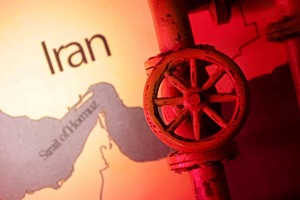
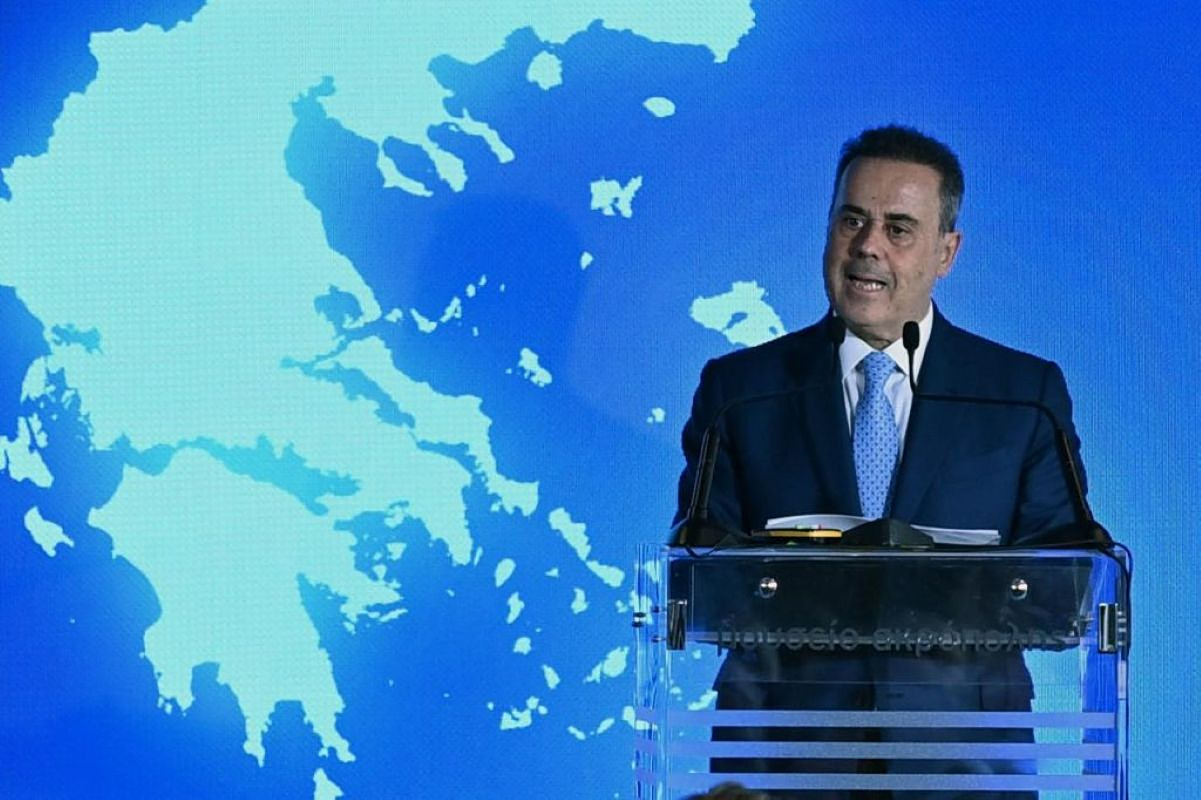
 Greece faces no disruptions in its electricity and natural gas supply chain, Environment and Energy Minister Stavros Papastavrou said in an interview with Mega Channel, on March 4, seeking to calm concerns triggered by instability in the Middle East.
In a period he described as one defined by uncertainty, the minister revealed that two emergency meetings were convened on Tuesday—one with oil market stakeholders and another with electricity and natural gas providers. Both concluded that the country’s energy supply remains secure.
Papastavrou stressed that Greece’s energy companies had engaged in prudent planning, ensuring there is currently no cause for alarm. While acknowledging that not all countries enjoy the same level of preparedness, he underlined that Greece had taken the necessary steps to safeguard supply. Much, he added, will depend on the duration of the conflict in the Middle East.
He noted that mild weather conditions and the growing contribution of renewable energy sources are helping to ease pressure on prices. Should circumstances require it, the government stands ready to support households, continuing a policy it has pursued throughout previous energy crises.
According to the minister, energy firms—including refineries and gas and electricity providers—have demonstrated maturity and a commitment to price restraint, aiming to prevent profiteering. Although the regional conflict has generated significant unease across markets, Greek refineries have pledged to do everything possible to avoid supply shocks.
Papastavrou also referred to four pending contracts with Chevron, expected to be ratified by Parliament, concerning natural gas exploration south of Crete and the Peloponnese. The agreements involve cooperation with HelleniQ Energy to assess potential reserves and determine their commercial viability.
On foreign policy, he highlighted Greece’s swift response in supporting Cyprus, noting the deployment of the frigates “Kimon” and “Psara” as evidence of the country’s readiness to act decisively in safeguarding regional stability.