 Μake us preferred on Google
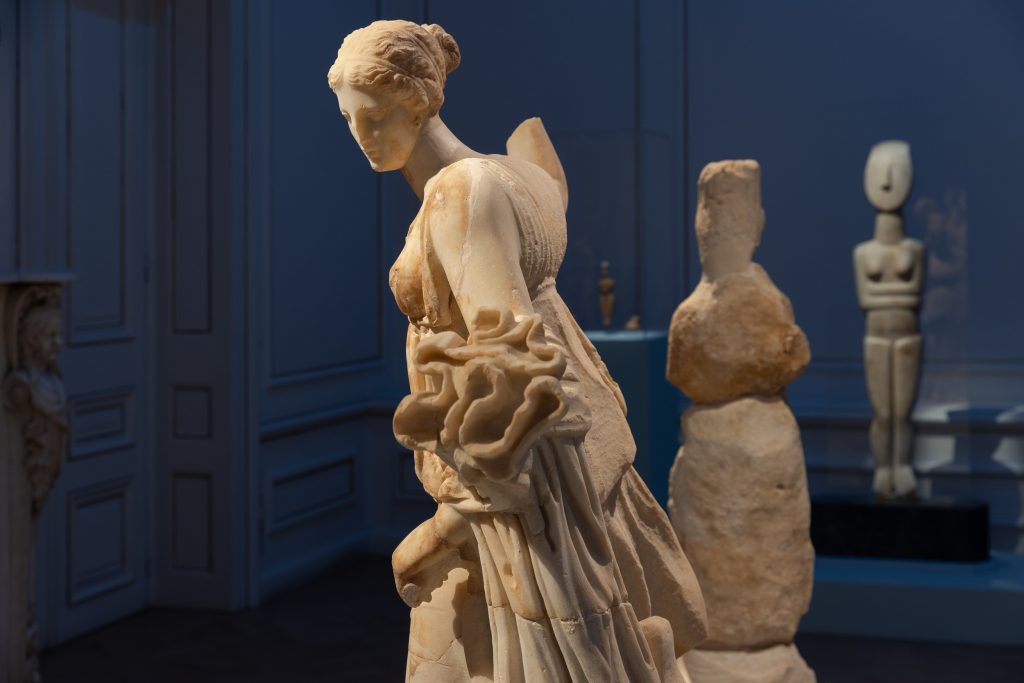
 The enigmatic smile of a series of clay female figures crafted some 3,500 years ago continues to captivate archaeologists and visitors alike, yet offering no definitive clues as to whether they depict goddesses, priestesses or worshippers. Fast forward to the present day and the prehistoric “Ladies of Kea” continue to inspire links between antiquity and contemporary art on the same-name Cyclades island, which is also known as Tzia.
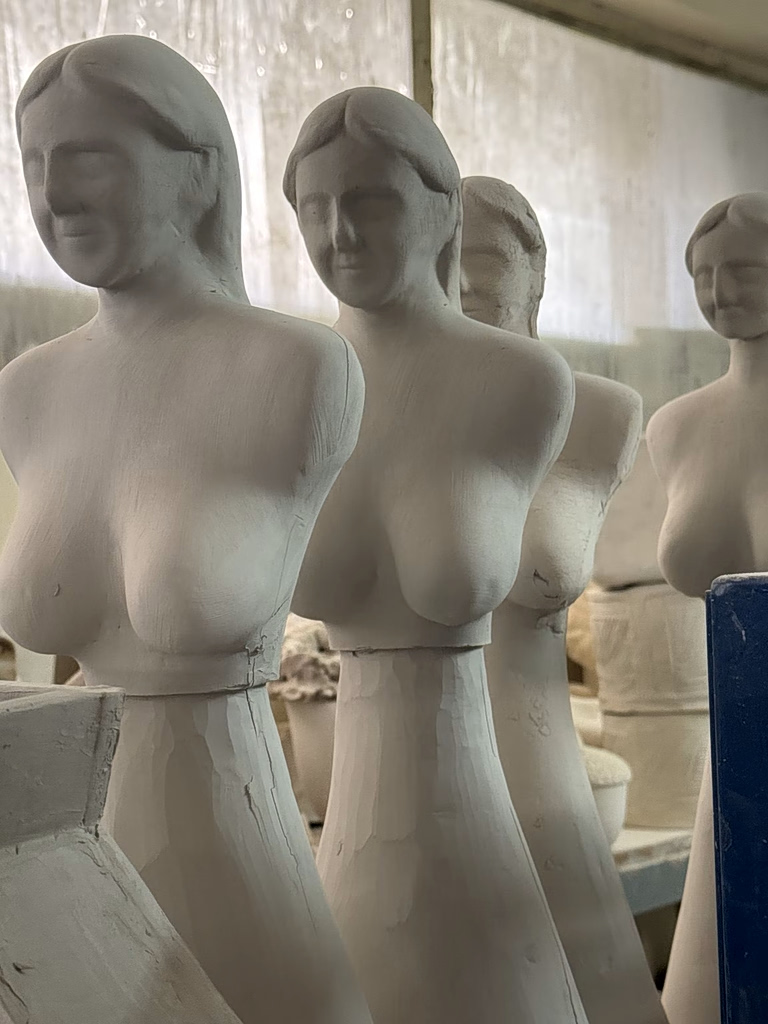
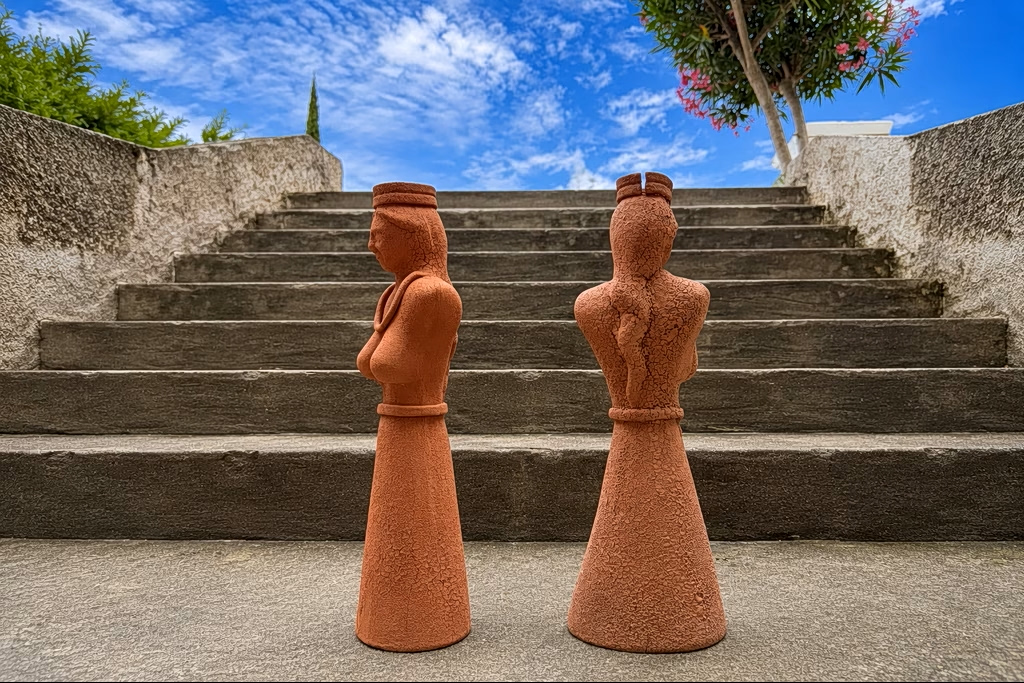
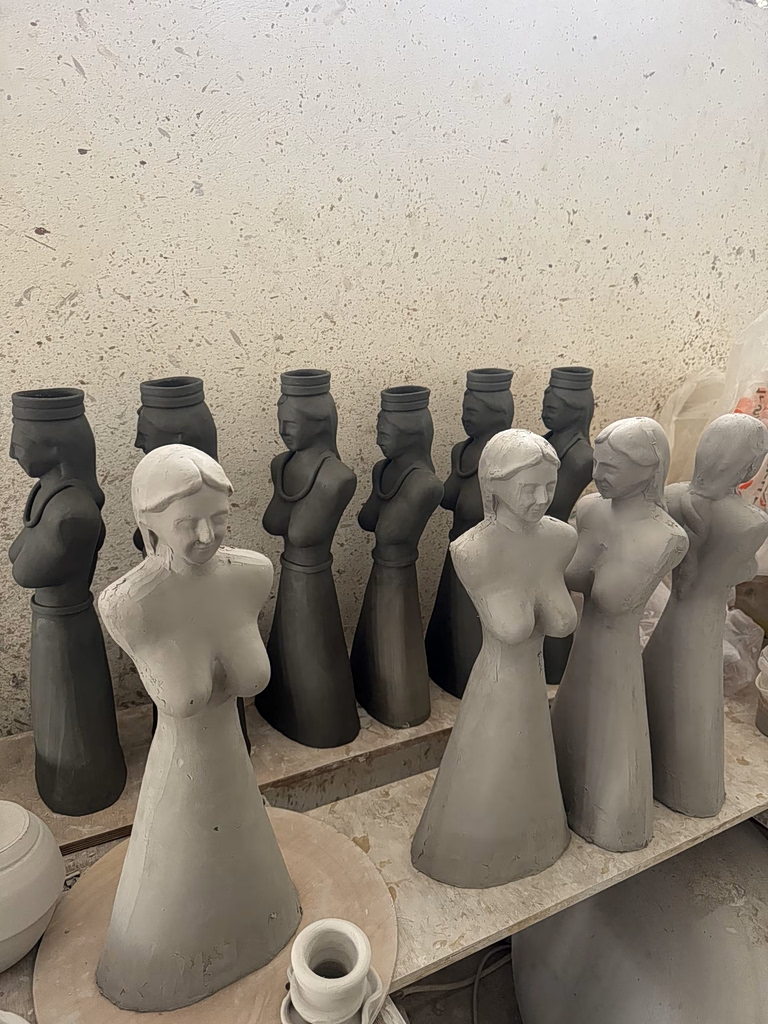
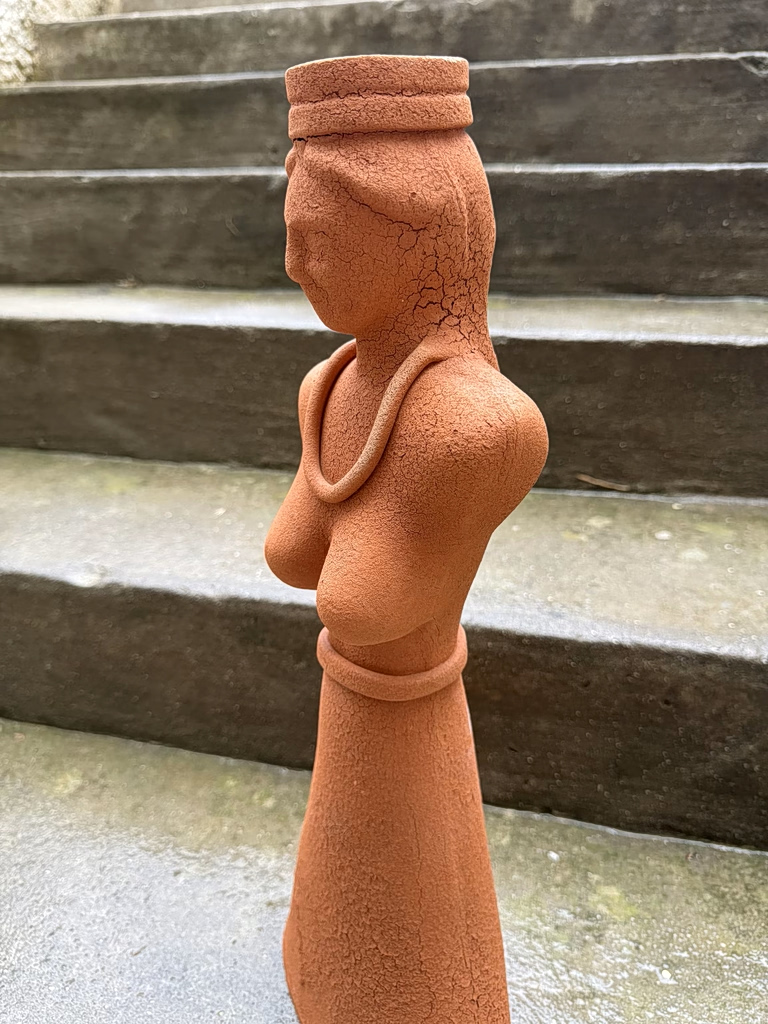
The exhibition, entitled “The Ladies of Kea,” opens this week (Aug. 8) in the village of Vourkari and brings together contemporary artists whose work draws inspiration from one of the Aegean’s most distinctive archaeological discoveries.
The story was first published by the Athens daily Ta Nea.
The exhibition centers on the celebrated clay female statues unearthed at the prehistoric settlement and sanctuary of Agia Irini (St. Irene), on the northwest coast of Kea, the northernmost of the Cyclades islands.
Dating to the 15th century BC, the figures are regarded by archaeologists as unique in Bronze Age Aegean art because of their near life-size scale, local craftsmanship and distinctive iconography. More than 50 statues and numerous fragments were recovered from the sanctuary, depicting elaborately dressed female figures standing or apparently engaged in ritual movement. While scholars broadly agree they had a religious function, their precise identity remains uncertain.
The largest surviving figure, standing 1.05 meters tall, is housed in the archaeological museum in Ioulida, Kea’s capital, alongside nine other restored statues and numerous fragments from what was once a much larger collection. Excavations have shown that Agia Irini developed into one of the Aegean’s leading commercial and cultural centers during the Late Bronze Age before its destruction in the 15th century BC, while its sanctuary continued to be used for centuries afterward.
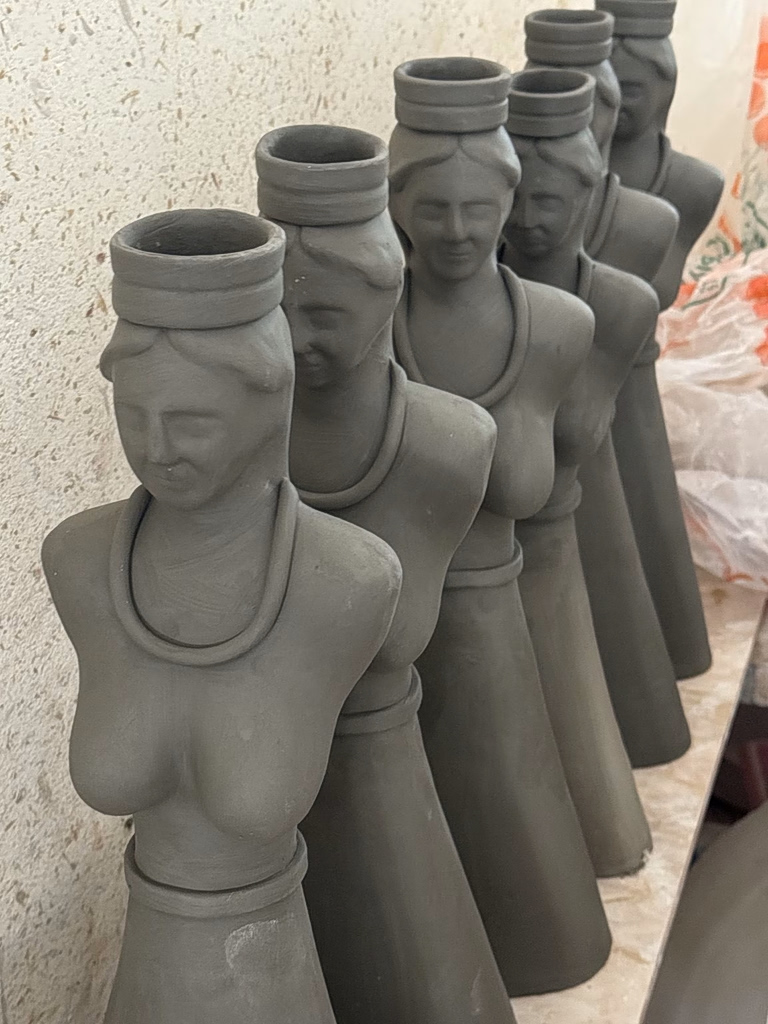
Curated by Katerina Marouli, the exhibition features sculptors Angeliki Kokonaki, who teaches mosaic art at the Athens School of Fine Arts, and art conservator Dimitris Mitroulas, both presenting new sculptural works inspired by the ancient figures. Painter Elpida Voutsa contributes a series of watercolors offering her own interpretation of the celebrated clay statues.
Kea/Tzia has increasingly promoted its rich archaeological heritage alongside its reputation as a popular weekend destination within easy reach of greater Athens on the mainland. In recent years, local and national cultural initiatives have highlighted the island’s prehistoric settlement, the ancient city of Karthaia and its archaeological museum, reflecting growing interest in preserving and showcasing one of the Cyclades’ most important Bronze Age sites.
The exhibition runs from Aug. 8 to Aug. 18 at the former kindergarten building in Vourkari.