 Μake us preferred on Google
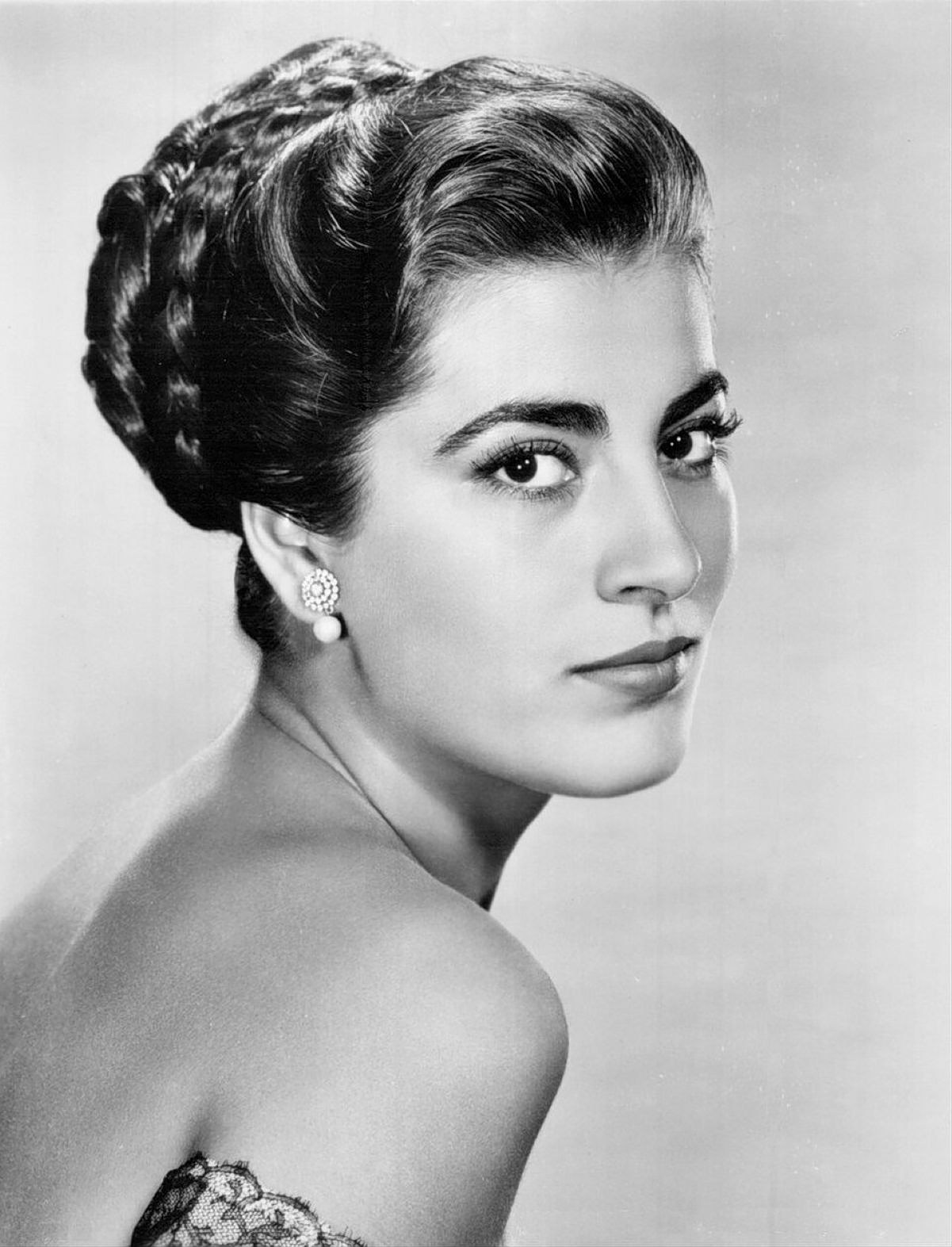
 On September 3, 1926, Irene Lelekou was born in Chiliomodi, Corinthia. The name may have been unfamiliar beyond her small village, but over the following decades she would become one of the most celebrated figures in Greek theater and cinema, taking her talent to audiences around the world.
Known for her striking, almost austere beauty and powerful performances on stage and screen, Irene Papas left an enduring mark on the performing arts.
Papas came from a family of teachers who encouraged her education at a time when this was far from common, particularly in a small rural community. Her parents played a decisive role in shaping her future. Her mother, Eleni, captivated her with fairy tales and stories, while her father, Stavros Lelekos, was a classical drama teacher and school principal in Sofiko, Corinthia. He introduced her to the works of the ancient Greek writers and philosophers.
Δείτε αυτή τη δημοσίευση στο Instagram.
Papas later recalled the profound influence of both parents, describing her mother as the source of an imaginative world of fairy tales and her father as the man who taught her and her sisters to become educated and independent women. She credited him with teaching them that the only true aristocracy was “the aristocracy of the spirit.”
Her desire to enter show business emerged early. At 15, she began working as a radio presenter, singer and dancer at various events before studying at the National Theater Drama School. She was previously married to actor Alkis Papas; they divorced in 1951, although some sources place the separation in 1947. She retained his surname throughout her career.
Her breakthrough came through a chance encounter with director and screenwriter Alekos Sakellarios, who spotted her in Syntagma Square and was struck by her appearance. Her clothing, bearing and distinctive features reminded him of a “living Caryatid.” He introduced her to filmmaker and producer Filopimin Finos, who immediately recognized her potential.
Sakellarios later recalled that Papas had auditioned for his film Those Who Should Not Love, but the role required her to appear in a swimsuit or shorts, which he felt did not suit her. Although she was ultimately excluded from the film, Finos cast her in Nikos Tsiforos’ Lost Angels, while Sakellarios brought her into his theatre company.
International recognition soon followed. Her appearance in Dead City at the Cannes Film Festival in 1952 brought her to the attention of the international press and introduced her to influential figures, including Prince Aly Khan. In 1954, she met Marlon Brando in Rome, beginning a long relationship. Papas later described him as the great passion of her life. They met for the final time in Athens in 1999.
That was only the beginning of an extraordinary international career. Papas appeared in more than 80 films, working in Greek, Italian, French and American productions and filming across Europe, Hollywood, the Middle East, North Africa, Brazil, Australia and elsewhere.
Among her best-known films were The Guns of Navarone, Zorba the Greek and Z. She also starred in acclaimed adaptations of ancient Greek tragedies, including Electra and Iphigenia, both of which received Academy Award nominations for Best Foreign Language Film. In 1967, she appeared on Broadway alongside Jon Voight.
During Greece’s military dictatorship, Papas settled in Italy because of her political beliefs. She was a member of the Communist Party of Greece but also admired Andreas Papandreou. Italy embraced her, and she later described the country as a second mother. Italians affectionately called her Bella Greca and Irene Nostra — “our Irene.”
Δείτε αυτή τη δημοσίευση στο Instagram.
Portugal also became an important part of her life. The Portuguese state supported the theater she founded there to stage ancient Greek tragedies, prompting her to move to the country, where she spent the final active years of her career.
In 1983, Papas returned to the ancient theatre of Epidaurus as Electra in Sophocles’ tragedy, directed by Michael Cacoyannis, with whom she had also worked in cinema. She said ancient Greek tragedies had moved her since she was 12 and remained as relevant as ever, describing them as mirrors of society and its contradictions.
In 2009, she received the Golden Lion for Lifetime Achievement at the 40th Venice Theatre Biennale. That same year, she was among 260 artists from around the world invited by Pope Benedict XVI to the Sistine Chapel, where he called on them to convey the message of God through their art.
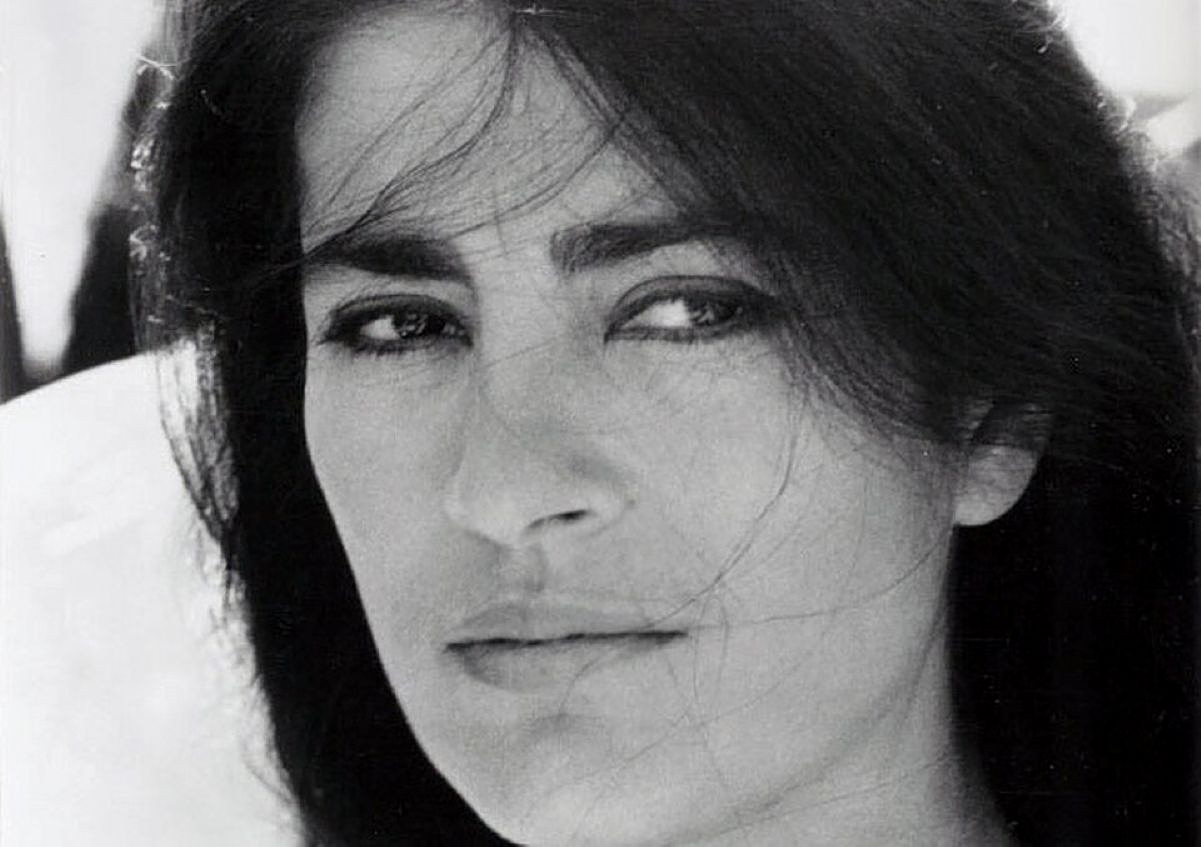
Papas was diagnosed with Alzheimer’s disease in 2013. She died on September 14, 2022, aged 96, leaving behind a remarkable international legacy and an artistic career that bridged ancient Greek drama, European cinema and Hollywood.