
 Μake us preferred on Google
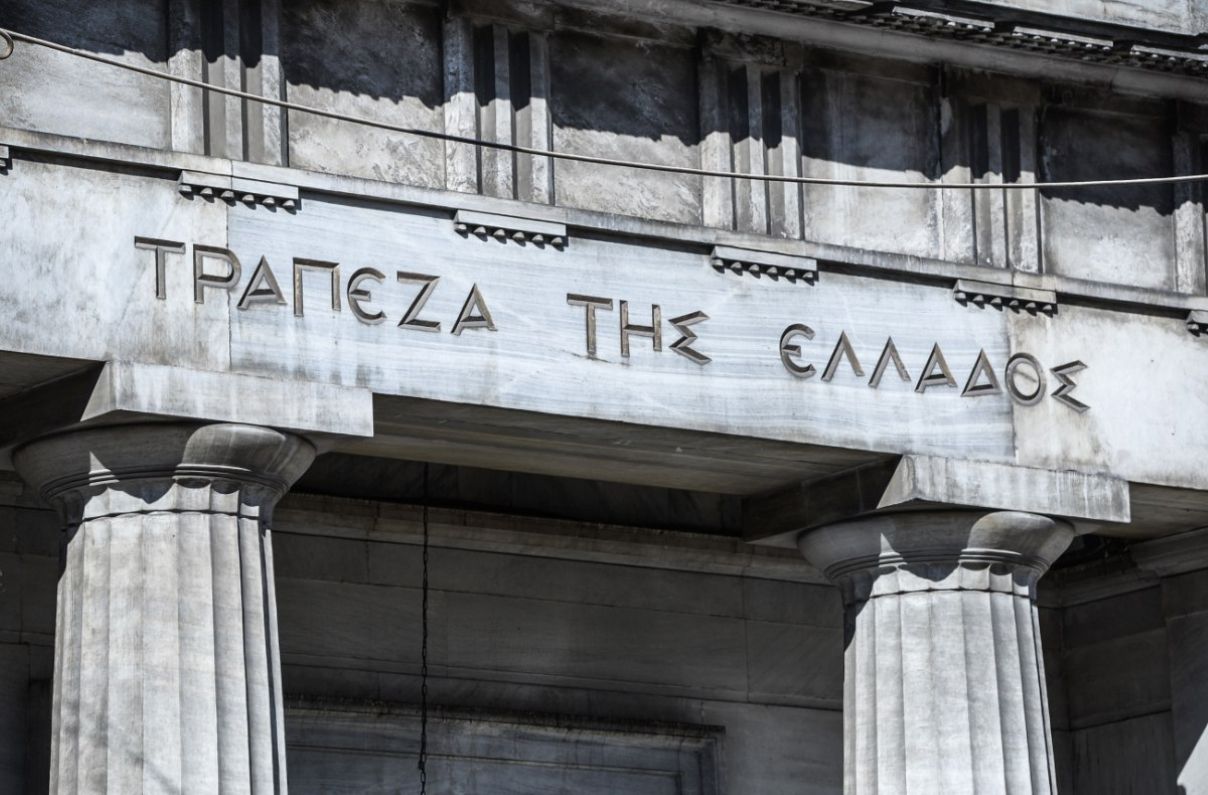
 The Bank of Greece (BoG) has responded to a formal legal notice submitted by various consumer associations and professional organizations in the country regarding the management of non-performing loans (NPLs), outlining the limits of its supervisory authority and the legal framework governing loan securitizations and credit servicers.
The Bank of Greece said it has replied to an extrajudicial legal notice filed on June 24 by consumer associations and professional bodies concerning the management of non-performing, or so-called “red loans”, stressing that its response is confined to matters falling within its statutory responsibilities as the competent supervisory authority.
In its reply, the central bank outlined the national and European regulatory framework governing loan securitizations, distinguishing between the true sale of loan claims and the transfer of significant credit risk. It also referred to the Greek state’s Hercules asset protection scheme and the responsibilities assigned by law to the authorities involved in its implementation.
The BoG further detailed the supervisory framework governing credit servicers under a 2023 law, as it counters, saying the latter clarifies the scope of its oversight of companies managing loan and credit claims (servicers), while emphasizing that its authority does not extend to all entities active in the distressed debt market.
It also outlined the legal framework governing loan transfers, securitizations and bank recapitalizations.
The central bank said the exercise of its supervisory powers is strictly governed by the applicable institutional framework and noted that information relating to supervisory procedures and supervised institutions is protected by official and professional confidentiality provisions under a 2014 law.
The Bank of Greece said it will continue to exercise its statutory responsibilities with a focus on safeguarding financial stability, ensuring the proper functioning of the financial system and enforcing applicable Greek and European Union legislation.
The response comes as scrutiny of Greece’s non-performing loan market has intensified in recent months, with renewed public debate over the practices of credit servicers, borrower protections and the operation of the Hercules securitization program.
Over the past six months, the Greek government has pursued additional measures aimed at improving debt settlement mechanisms and strengthening oversight of the loan servicing sector, while the central bank has continued to stress that reducing distressed debt remains essential to preserving financial stability and supporting bank lending.