 Μake us preferred on Google
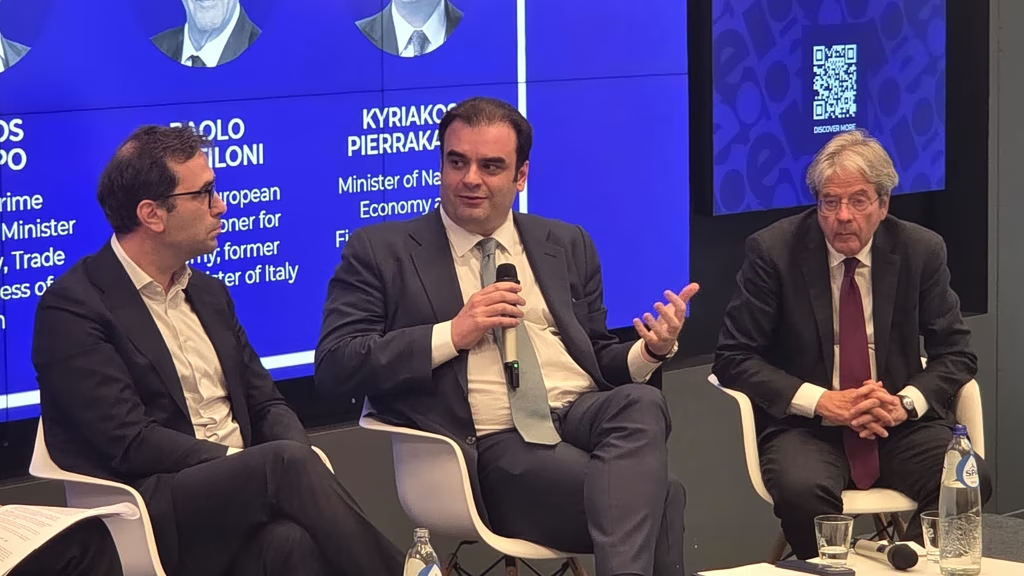
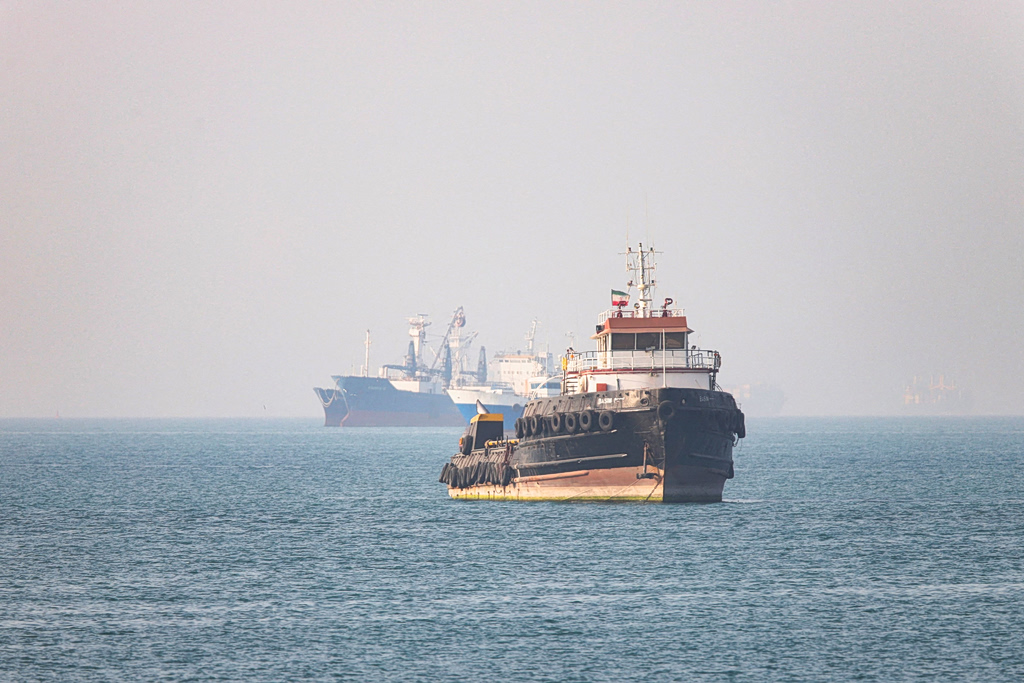
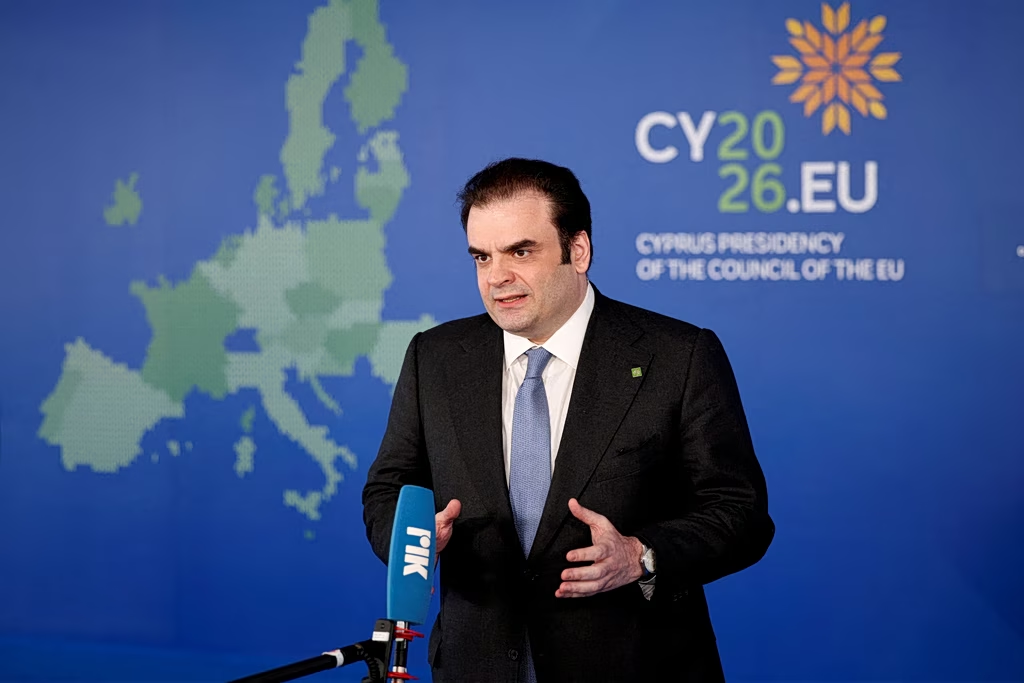
 Greek Finance Minister and Eurogroup President Kyriakos Pierrakakis warned that continued disruption in the Strait of Hormuz could significantly worsen Europe’s economic outlook, noting that “June will be worse than May and July will be worse than June” if the situation persists.
Speaking during and after a Eurogroup session in Nicosia, Cyprus, he said European finance ministers are closely monitoring developments linked to geopolitical tensions affecting energy markets.
Cyprus, he noted, is a key reference point for stability and security in the Eastern Mediterranean and has demonstrated an ability to turn crises into opportunities while strengthening its economic and geopolitical role. He added that Cyprus’ stability is “a matter for the whole of Europe.”
Europe’s economy: growth persists despite pressure
Pierrakakis said the European Commission’s updated forecasts show downward revisions to growth and upward pressure on inflation, but still indicate positive economic growth overall.
He described current conditions as showing inflationary and stagnation-related pressures, but insisted that Europe remains resilient. He also stressed that policy responses must be temporary, targeted, and adapted—drawing on lessons from 2022.
He added that governments must balance support for households and vulnerable groups with maintaining fiscal stability, warning against turning an energy crisis into a broader fiscal crisis.
Energy shocks and fiscal caution
Referring to market volatility, Pierrakakis said policymakers must act carefully, emphasizing that responses should avoid long-term fiscal damage. He reiterated that European finance ministers are coordinating their approaches in response to ongoing uncertainty.
He also noted that national governments are already applying measures based on their fiscal space, though current conditions are more challenging than in 2022, despite improved experience in managing such crises.
Housing and social cohesion
Housing was a key topic in the Eurogroup discussions. Pierrakakis said it represents a major issue of social cohesion in Europe and also has clear economic implications.
While housing policy is primarily a national responsibility, he argued that European finance ministers cannot avoid discussing issues central to citizens’ daily lives. He called for better coordination between member states and the exchange of policy lessons on what has and has not worked.
Digital Euro and financial sovereignty
The Eurogroup also discussed the Digital Euro, with participation from European Parliament representatives. Pierrakakis linked the initiative to Europe’s financial sovereignty and the international role of the euro.
He described the digital currency project as strategically important, noting discussions around a potential 2029 timeline proposed by the European Central Bank.
“Resilience is the key word for Europe”
Closing his remarks, Pierrakakis said that while there is an inflationary-stagnation tendency, Europe is not currently in a state of stagflation. He emphasized that the defining characteristic of the European economy today is resilience, urging policymakers to build on it.