 Μake us preferred on Google
 Greece’s economic trajectory is entering a more uncertain phase as escalating tensions in the Middle East ripple through global energy markets and trade routes, raising fresh concerns about inflation, growth and fiscal resilience.
The latest developments point to a period of heightened geopolitical risk, with direct implications for a country that remains heavily exposed to external shocks, particularly through energy imports and trade flows.
Energy shock fuels inflation fears
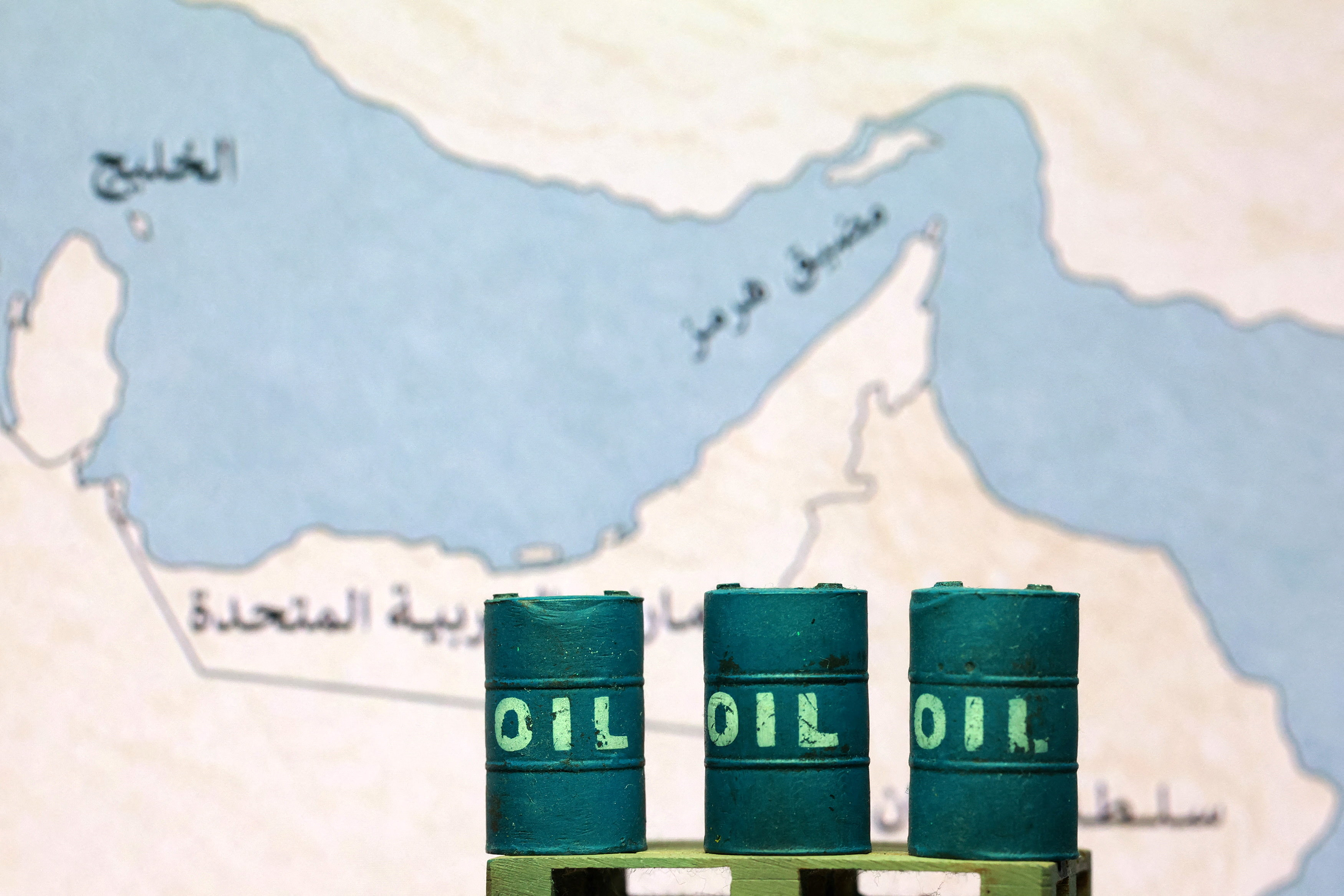
At the center of the disruption is a sharp increase in energy prices. Brent crude has already surged above $116 per barrel, with some projections pointing as high as $150 and an average near $125 for April, according to estimates cited by Société Générale.
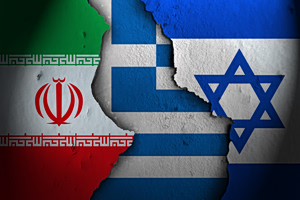
The escalation of the conflict involving the United States, Israel and Iran has effectively ruled out any near-term normalization in energy markets. Expectations for the reopening of the Strait of Hormuz—a critical global transit chokepoint—have now been pushed further into April.
For Greece, this translates into a supply-side shock likely to last several months. Higher energy costs and disruptions to shipping and trade routes are making transportation slower and more expensive, raising production costs and driving up inflation.
Consumption and investment under pressure
The broader economic impact is already becoming visible. Elevated uncertainty, particularly around energy prices and inflation, is expected to weigh on consumption and investment.
Furthermore, the duration of the conflict remains a key variable. A prolonged escalation, especially one involving a potential ground operation, would amplify the economic strain and extend the period of subdued domestic demand.
If pressures persist beyond the second quarter of 2026, economists warn that the negative effects could intensify significantly, requiring more substantial government intervention.
Fiscal buffers and EU support in focus
Greece enters this period with some fiscal room, having recorded a primary surplus of just under €11 billion in 2025. However, any large-scale support measures to offset rising costs—similar to those deployed after the outbreak of the war in Ukraine—would likely need to be coordinated at the EU level to remain effective.
At the same time, 2026 is the final year to implement projects under the EU’s Next Generation EU program and to absorb Recovery and Resilience Facility (RRF) funds.
This creates both a risk and an opportunity. Heightened uncertainty and elevated energy costs could delay project execution, but the strict deadline—set by the European Commission for the end of August —may also act as a catalyst, helping stabilize economic activity.
Structural weaknesses remain a concern
Beyond the immediate shock, longstanding structural challenges continue to weigh on Greece’s economic outlook.
Recent reports by major rating agencies, including DBRS, Moody’s and Scope, highlight persistent vulnerabilities such as the country’s “wide and persistent” current account deficit, which remains in negative territory.
Global trade tensions and geopolitical fragmentation could exert further pressure on emerging markets, indirectly affecting Greece through external channels such as financial flows and trade performance.
Greek public debt is also an enduring source of concern. Although it has been declining as a share of the country’s GDP, it remains the highest in Europe.
Investment grade status holds, for now
Despite these challenges, Greece has maintained stable ratings within investment grade territory across major international agencies. However, it remains positioned at the lower end of the “B” range within that category, with no significant upgrades expected in the near term.
Upcoming rating reviews are scheduled from late April through November, with agencies including S&P, Fitch, DBRS, Moody’s and Scope set to reassess the country’s credit profile.
Growth outlook moderates over time
Looking ahead, both rating agencies and the International Monetary Fund expect Greece’s growth to gradually slow from 2027 or 2028, as investment linked to EU recovery funds tapers off.
Still, economic expansion is projected to continue at a pace sufficient to maintain the downward trajectory of public debt.
DBRS forecasts average growth of 1.75% through 2030, while the IMF projects 1.8% growth this year and around 1.5% over the medium term.
Reform agenda remains critical
The consensus among lenders and institutions is that Greece’s long-term performance will depend on addressing structural constraints, including low employment rates and weak productivity growth.
Policy recommendations focus on accelerating digital transformation in the private sector, reducing regulatory and administrative burdens, strengthening labor market incentives, and expanding targeted training and lifelong learning programs.
Source: ot.gr