 Μake us preferred on Google
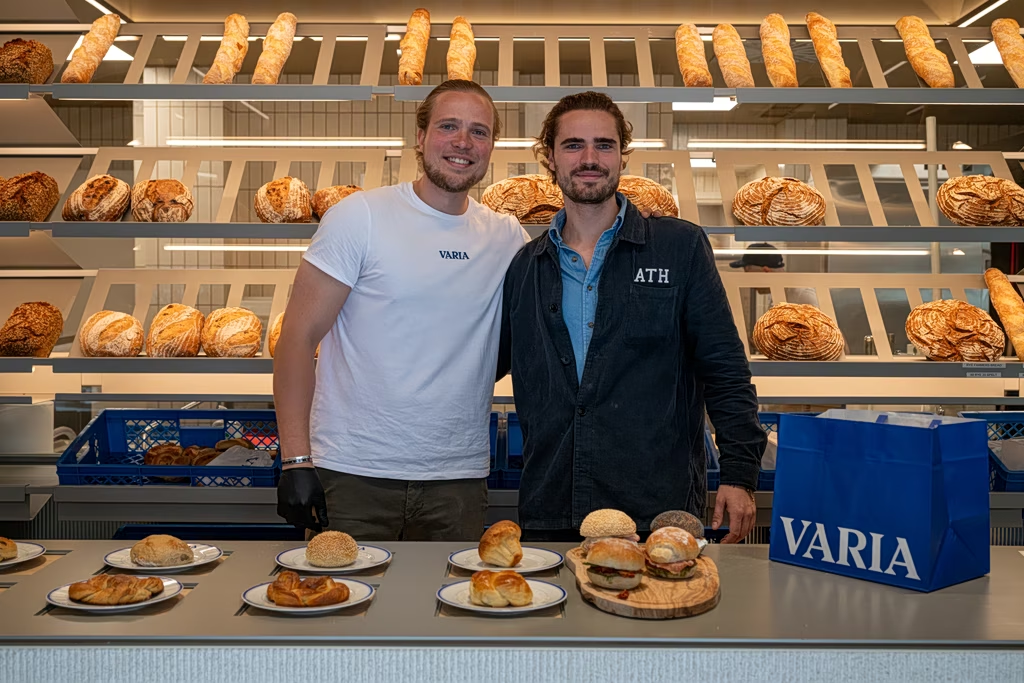
 On the corner of Milioni and Iraklitou streets in Athens’ upscale Kolonaki district, two brothers from Germany have opened a bakery unlike any the city has seen before. Cedric and Christopher von Halem launched Varia only a few days ago, yet the space already feels destined to become one of Athens’ next great gastronomic talking points.
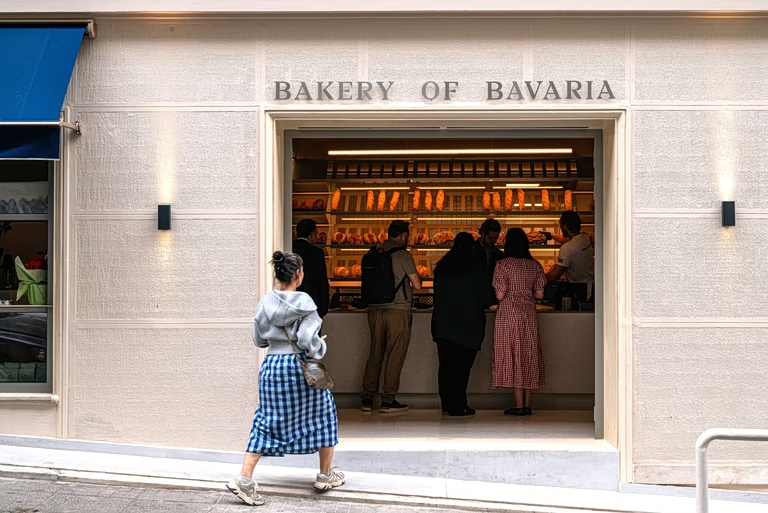
Within just a few days of opening, Varia bakery has already won over the people of central Athens with its distinctive design and exceptional Bavarian breads. Photo: Alexandros Alexandris
Housed inside a striking Art Deco building with large glass windows, Varia immediately catches the eye. But what truly sets it apart is not only its design — it is the bakery’s deeply authentic Bavarian soul.
In a city whose food scene continues to evolve into one of Europe’s most exciting culinary destinations, word spread quickly. Athenians were eager to discover what makes this bakery different, and from the moment the doors opened, it became clear that Varia offers far more than bread.
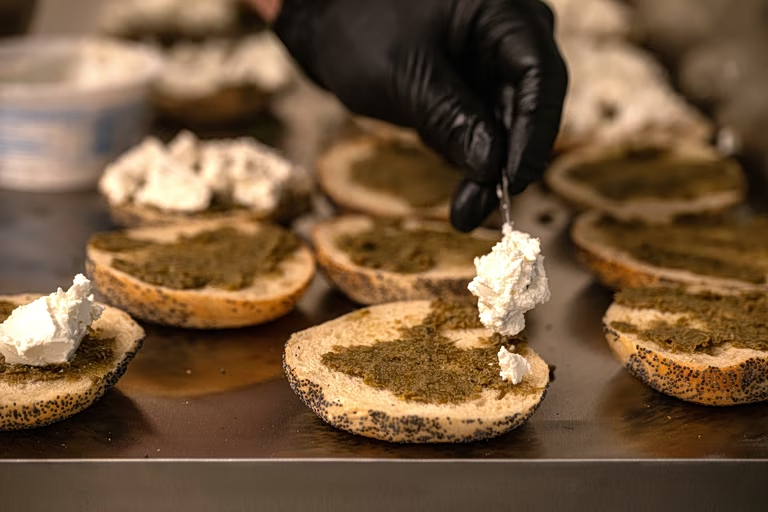
The small semmel rolls are filled with cheeses, sauces and cured meats, and served at the outdoor tables along the pedestrian street. Photo: Alexandros Alexandris
Germany’s Bread Culture Comes to Athens
To understand why Varia feels so unique, it helps to understand the cultural weight bread carries in Germany. In 2015, German bread culture was added to UNESCO’s list of Intangible Cultural Heritage, recognizing a baking tradition that includes more than 3,200 varieties of bread across the country.
In Germany, bread is not simply food. It is ritual, identity, history and daily life.
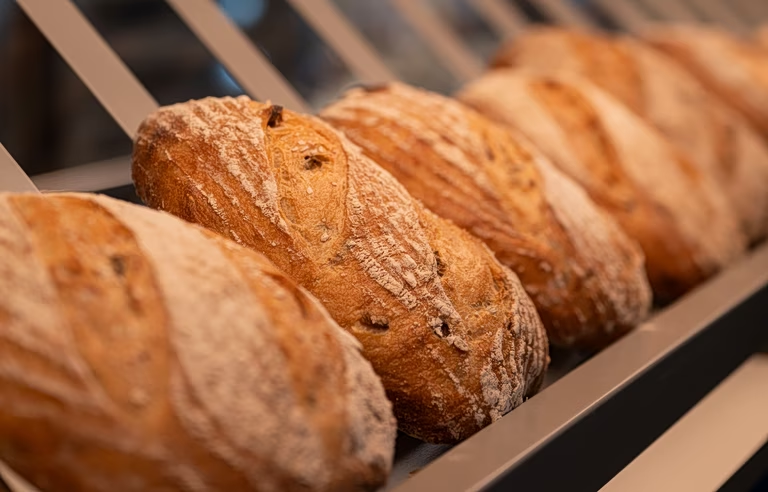
Germany has a vast history and tradition in baking, with more than 3,200 different types of bread produced across the country. Photo: Alexandros Alexandris
Bavaria, in particular, has developed its own distinct baking language — rustic, earthy and deeply tied to rye flour, sourdough fermentation, coarse grains and aromatic spices. The region is also famous for its Laugengebäck, baked goods known for their glossy brown crust and savory flavor, with the best-known example being the brezel, internationally recognized as the pretzel.
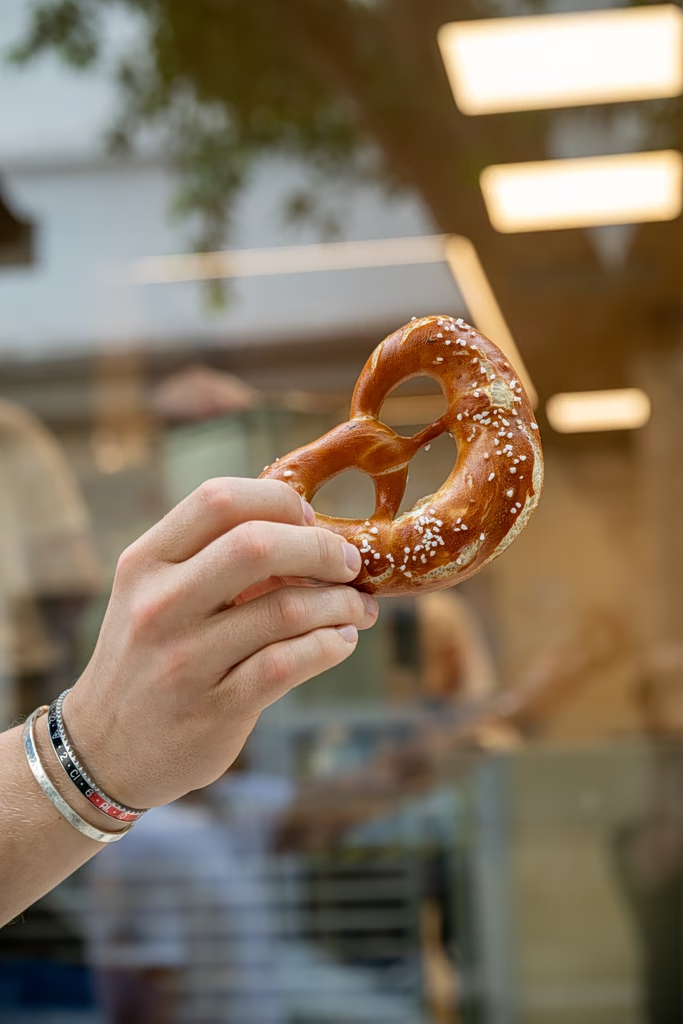
In Bavaria, the brezel is not just a snack. It is a symbol, a breakfast staple, a companion to beer and part of Brotzeit — the traditional daytime break that includes bread, cured meats, cheeses, butter, pickles and beer. Photo: Alexandros Alexandris
Bavarian bread is dense yet deeply aromatic, with pronounced crusts, rich crumb and subtle acidity that comes from slow fermentation. It is bread designed to command attention at the table.
Some of Europe’s oldest bakeries still operate in Bavaria today. Munich’s Hofpfisterei traces its roots back to 1331, while the family-run Bäckerei Adl in northern Bavaria has been operating since 1392 and is now in the hands of the same family’s 14th generation.
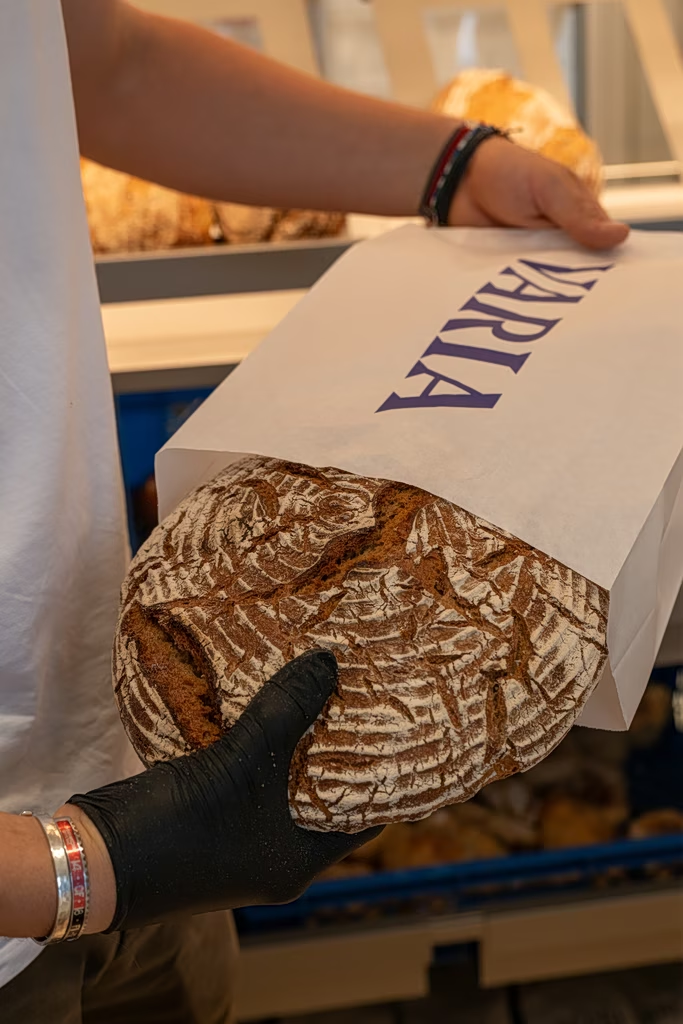
Strong, crunchy crust, rich crumb and incredible aroma. Varia bakery creates authentic Bavarian bread at its very best. Photo: Alexandros Alexandris
The Importance of Flour and Time
Unlike countries dominated by white wheat bread, German baking traditions historically relied on rye, spelt, barley, oats and mixed grains. Rye, especially, gave German bread its characteristic density, darker color and slightly sour flavor.
Many traditional Bavarian loaves also incorporate spices such as cumin, fennel, coriander and anise, adding complexity while enhancing the flavor of rye.
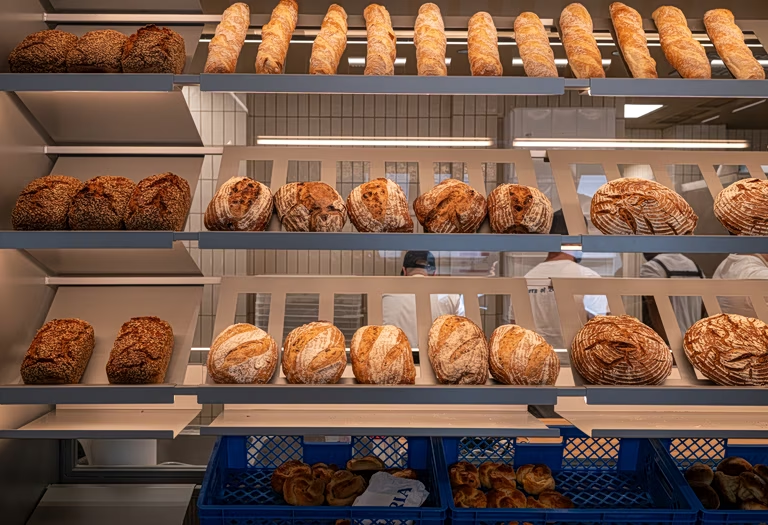
Extraordinary breads on display at Varia, the kind you immediately want to slice into and taste. Photo: Alexandros Alexandris
Technique matters just as much as ingredients. German bread demands time, and slow fermentation is essential for developing aroma, crust and digestibility.
At Varia, this philosophy has been pushed even further.
The bakery’s breads ferment for up to 80 hours — a process that dramatically transforms both flavor and texture.
Among the breads visitors can discover are deeply earthy Pumpernickel, wholegrain Vollkornbrot, dense rye-based Roggenbrot, rustic Bauernbrot and the beloved Brötchen — small breakfast rolls that are crisp on the outside and soft inside, ideal with butter, cheese or cold cuts.
Inside Athens’ New Bavarian Bakery
By the time we arrived early in the morning, the bakery was already crowded. In truth, it is difficult to imagine Varia ever being empty.
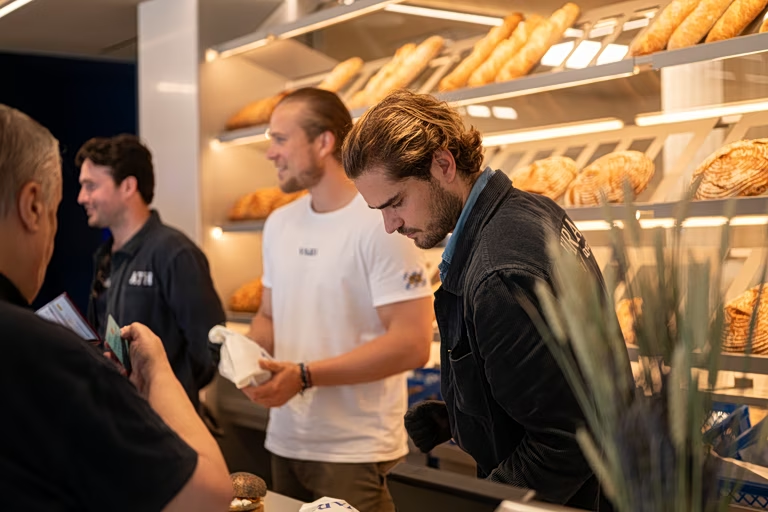
Customers constantly stream in and out of Varia, while the two brothers behind the bakery, Cedric and Christopher, welcome and serve everyone with the warmest smiles. Photo: Alexandros Alexandris
Residents of Kolonaki, office workers from nearby streets and curious food lovers continuously streamed through the doors, all seemingly aware that something genuinely special had arrived in the neighborhood.
The bakery itself is visually stunning. The interior was designed by architect Stratis Doukas, who creatively incorporated furniture and lighting inspired by legendary Danish designer Verner Panton.
The connection is personal: Cedric and Christopher von Halem are Panton’s grandsons.
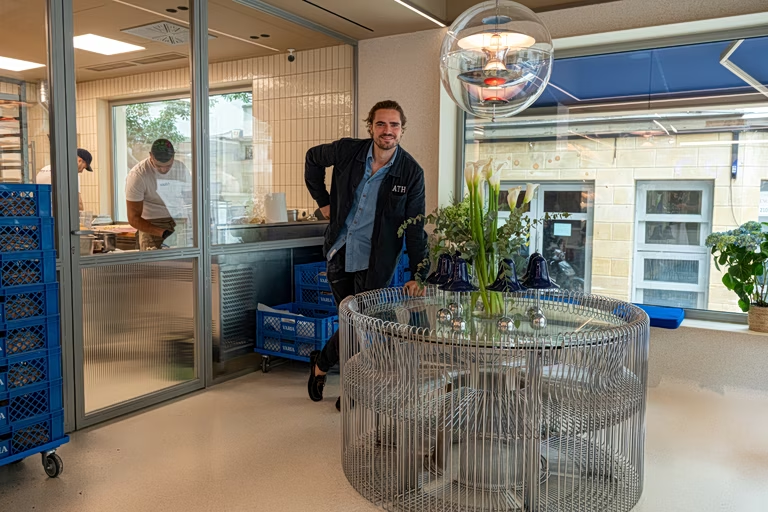
Design is an essential part of Varia for Christopher (pictured) and his brother, incorporating many furniture and lighting pieces created by their grandfather, the renowned designer Verner Panton. Photo: Alexandros Alexandris
Their affection for his colorful, bold aesthetic is evident throughout the space, though interpreted here through a more minimalist Scandinavian lens.
The brothers moved permanently to Athens two years ago after long careers in the technology sector across Germany, the United Kingdom, the United States and Greece. Their relationship with Greece, however, began much earlier through childhood summers spent in Porto Heli with their family.
Opening a bakery in Athens was not originally part of the plan.
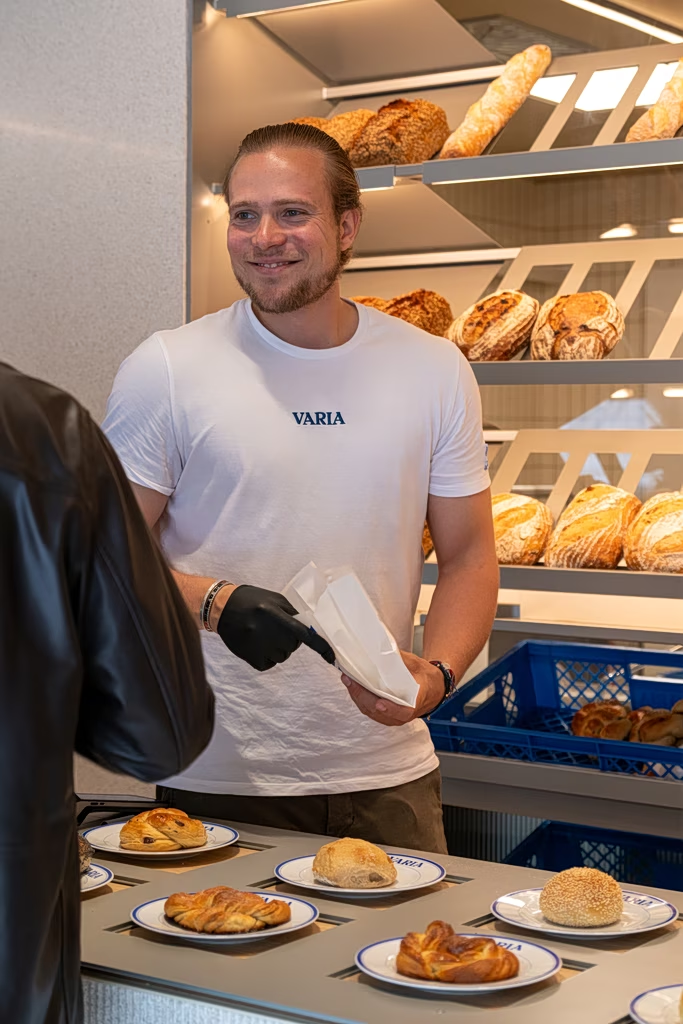
Cedric fell in love with Greece as a child, spending summers with his family in Porto Heli. For the past two years, he and his brother have been living in Athens. Photo: Alexandros Alexandris
“We always felt something was missing from our work in technology,” Christopher von Halem explained during our conversation. “Everything was digital. You don’t create something tangible — something people can hold, smell and share.”
Bread, however, was deeply tied to childhood memories.
After moving to Athens, the brothers realized they could not find the flavors they remembered growing up in Bavaria. They suspected they were not alone, especially given the city’s sizeable German community.
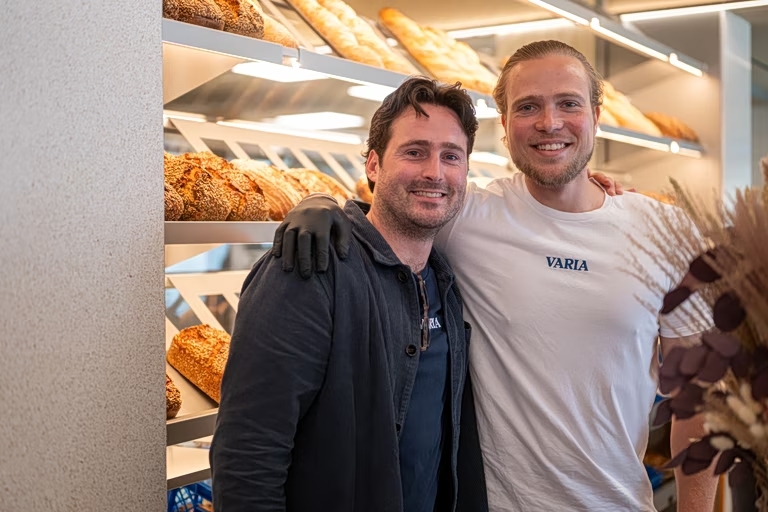
Cedric with their friend and Varia collaborator, Florian Messerer. Photo: Alexandros Alexandris
Together with longtime collaborator Florian Messerer, an Argentine-German tech entrepreneur, they began exploring whether they could create an authentic Bavarian bakery in Athens.
To achieve the quality they envisioned, they partnered with Johannes Guertner, a fourth-generation baker from Bavaria, and brought two Bavarian bakers to Athens to ensure the breads met the highest standards.
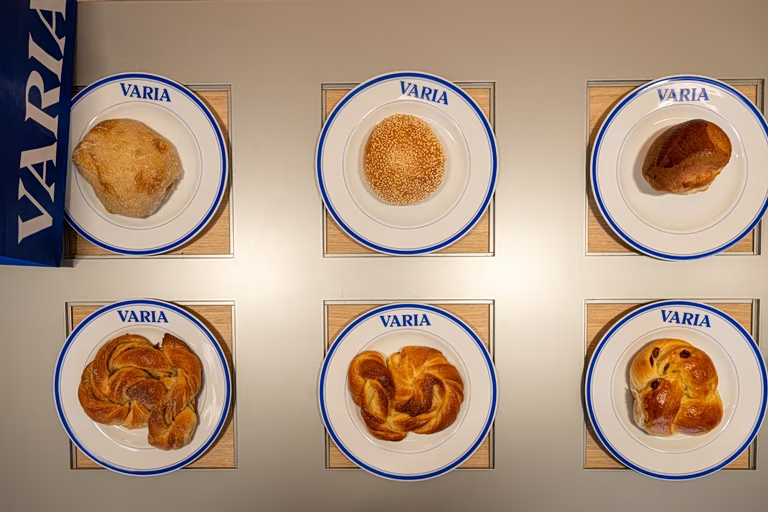
Sweet and savory baked goods, all made with organic flour sourced from a small Bavarian mill. Photo: Alexandros Alexandris
Why 80 Hours Matter
At Varia, time itself has become the bakery’s defining ingredient.
“Fermentation times vary enormously in bakeries,” Christopher explained. “Some are almost nonexistent, while others last 24 or 72 hours. We decided to take it one step further and reach 80 hours.”
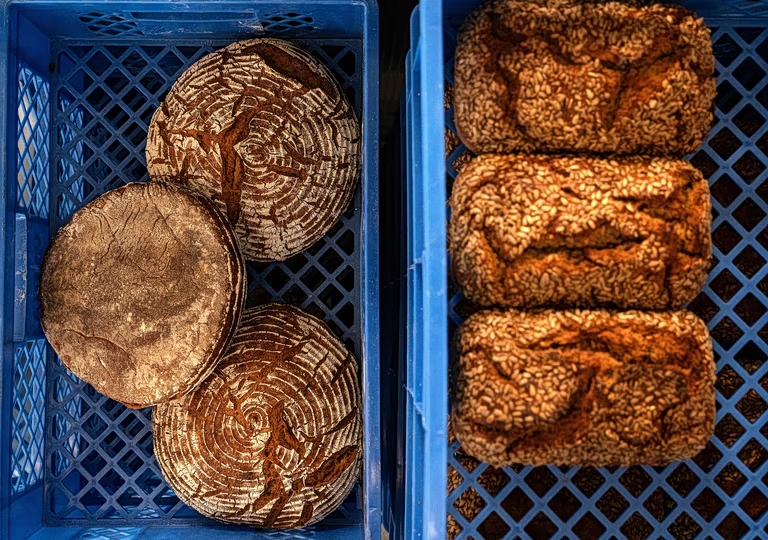
Photo: Alexandros Alexandris
The extended fermentation develops deeper aromas, subtle acidity, stronger crusts and significantly improved texture. It also improves digestibility.
“Many people say bread is difficult to digest,” he said. “Often that happens because the bread hasn’t fermented long enough.”
Long fermentation reduces phytic acid, helping the body absorb minerals more efficiently while creating a more complex flavor profile.
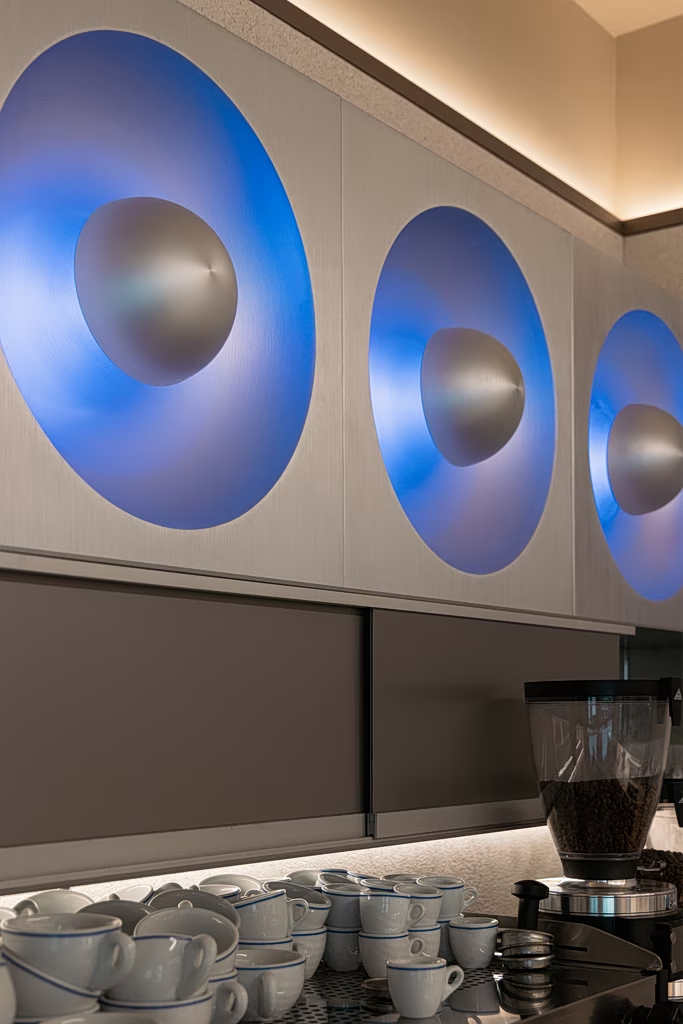
Varia also serves excellent coffee, always accompanied by its signature sense of design. Photo: Alexandros Alexandris
Organic Bavarian Flour in the Heart of Athens
Varia imports organic flour from a small mill in Bavaria — a process that is neither simple nor inexpensive.
“We try to import large quantities at once, partly to reduce our environmental footprint,” Christopher said. “One shipment can last us about six months.”
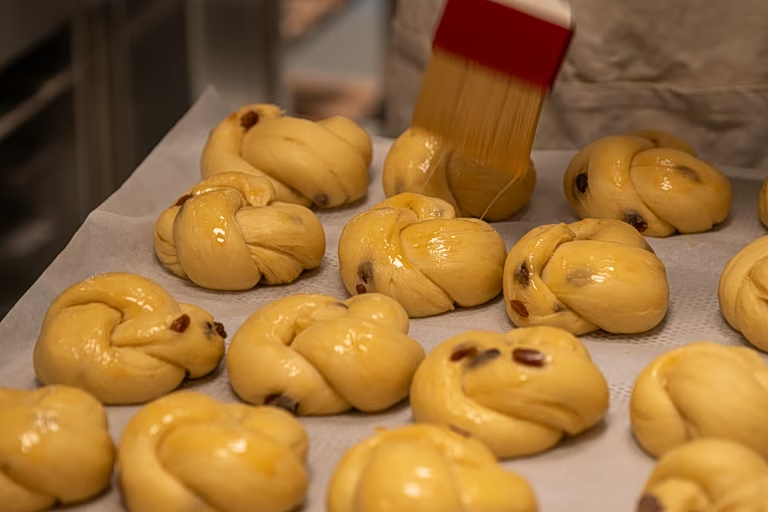
Photo: Alexandros Alexandris
The flour, carefully selected and traditionally milled, allows the bakery to recreate the exact flavors the brothers associate with home.
A Bakery Designed Around Community
The bakery’s philosophy extends beyond bread.
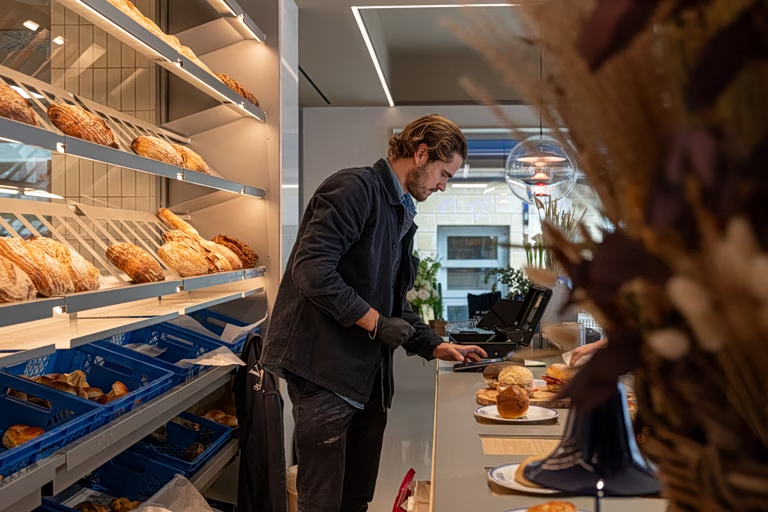
Christopher behind the bakery counter at Varia. Photo: Alexandros Alexandris
Varia remains open until 11 p.m., partly because the team plans to create a relaxed outdoor seating area where guests will eventually enjoy Bavarian beer, wine, cheeses and cured meats alongside freshly baked bread.
The bakery intentionally limits production rather than compromise quality.
“We don’t want to overproduce,” Christopher explained. “If everything sells out quickly, we can’t simply make more bread immediately because fermentation takes so long.”
That commitment to patience and precision already appears to resonate with Athenians.
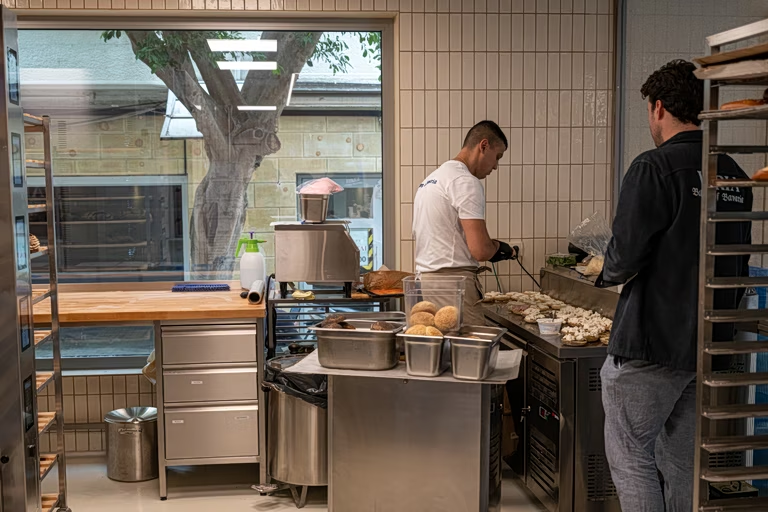
The Varia workshop is constantly at work. Photo: Alexandros Alexandris
Throughout our visit, customers greeted the team warmly, stopping for conversations that felt strikingly familiar in the deeply social rhythm of everyday Greek life. Many were clearly returning visitors after just a single visit.
The brothers say they already feel embraced by the neighborhood.
“I don’t just love the city,” Christopher said. “I love the people. Athens is a much more emotional city than Munich, and that’s probably why it has captivated us so much.”
For now, Varia’s founders are focused on growing carefully and preserving quality above all else. Expansion plans exist, but they refuse to rush.
“We want everything to happen slowly and correctly,” Christopher said.
Which, fittingly, sounds very much like the philosophy behind their bread.
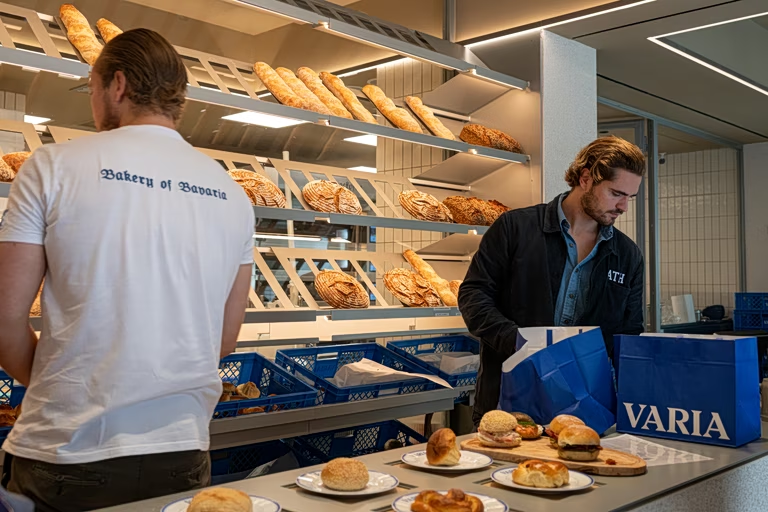
Photo: Alexandros Alexandris