The scorching days of August may be coming to an end, but the heat is not giving up. For many people, the summer vacation is already over—a break typically spent with plenty of sun, plenty of sea and perhaps a little, or more than a little, alcohol.
All those carefree pleasures can leave the body short of the fluids it needs. If we have not taken care to stay hydrated, we may return to everyday life already struggling with exhaustion, possible dizziness or headaches, gastrointestinal problems and a bad mood—all potential signs of early dehydration.
“Forgetfulness” cannot really be an excuse. And because some people continue to use it anyway, nature has an answer of its own.
It is colorful, delicious and sitting right on our plates.
Fortunately, we do not hydrate only through water, juices and other beverages we consume—or fail to consume. Fruits and vegetables can also make a significant contribution. Along with vitamins, fiber and other micronutrients, they consist primarily of water, with some containing more than 90% water.
So is there a more enjoyable way to hydrate than a freshly prepared fruit salad piled high with summer’s best offerings—peaches, apricots, nectarines and watermelon?
Or consider a light, refreshing post-beach meal: a salad of leafy greens, cherry tomatoes, cucumbers and peppers, topped with a little chicken or cheese. A satisfying salad can simultaneously cover part of our daily hydration needs, particularly if we are imaginative enough to add some fruit.
And that, yes, is a little magical—a generous gift from nature to humanity.
Behind the magic, there is science
As noted above, fruits and vegetables come naturally equipped with abundant amounts of water. Eating them therefore helps us hydrate while also providing the nutrients they contain, without piling on excessive calories.
There is something even better: we are not hydrating with plain water.
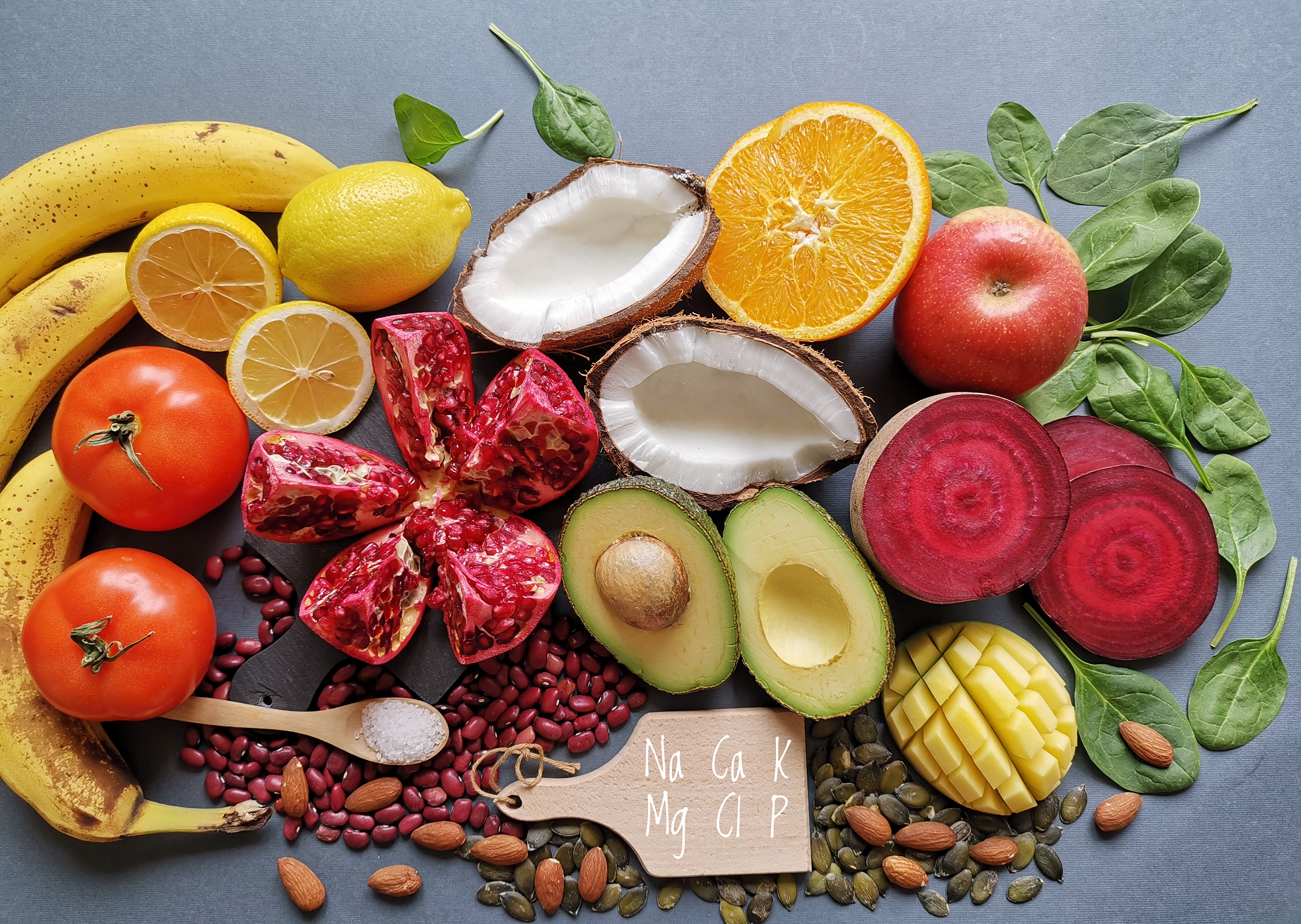
Fruits and vegetables contain natural electrolytes, including minerals such as potassium and magnesium, which “trap” fluids inside cells and help regulate the body’s fluid balance.
Their naturally occurring sugars contribute to the rapid movement of fluids through the digestive system and bloodstream to different parts of the body. Fiber, meanwhile, slows digestion and works in the opposite direction when it comes to hydration: it makes the effect last longer—exactly what we need most during the summer.
Research indicates that around 20% of the fluids we take in each day comes from food. So it makes sense to choose those foods carefully.
Seasonal fruits and vegetables, as fresh as possible or properly stored, can deliver everything they have to offer—whether on the plate or in the glass.
So, what should we be eating?
Summer’s ultimate fruit salad
When it comes to fruit and hydration, watermelon is the undisputed champion.
We know this intuitively. Since childhood, our mothers have warned us not to eat too much watermelon, especially before bed, because we would spend the entire night running to the bathroom. With water accounting for 92% of its composition, the fruit confirms what we already knew: mothers are always right.
Watermelon is also rich in potassium and magnesium, as well as vitamins A, C and B6. Its red color signals the presence of lycopene, a powerful antioxidant that helps protect the heart.
Many people pair watermelon with feta cheese, whose salty, buttery flavor works beautifully with the fruit’s sweetness. The combination makes watermelon an ideal ingredient for an alternative take on the Greek village salad.
Cantaloupe can also find its way into salads, albeit with a different flavor profile. Equally refreshing and low in calories, it is 90% water and rich in vitamins C, A and B.
Its high fiber content helps support healthy intestinal function and keeps it from causing bloating, so there is no reason to shy away from it. Especially if you are a prosciutto lover—which, honestly, who isn’t? The combination is simply epic.
Peaches and nectarines—the undisputed kings of summer—come next, with water content reaching 89% and 88%, respectively.
Those are impressive numbers for the two fruits we have all packed into containers for a day at the beach—and quite rightly so. They offer excellent hydration in the often extreme heat and sunlight found along the shore.
They can be eaten on their own, preferably with the skin on for extra fiber, but they also work beautifully in salads alongside tangy cheeses that balance their sweetness. And once they soften, they make wonderful smoothies and granitas.
Pineapple also makes an excellent granita. Its exotic origins make it especially appealing during the summer, while its 86% water content makes it hydrating and highly beneficial. Low in calories and associated with fat-burning effects, it is a fruit commonly found in diets.
At the same time, pineapple is rich in vitamin C and fiber, helping provide a feeling of fullness without causing bloating. Ideal for fruit salads and smoothies, it is refreshing, delicious and hydrating—everything summer calls for.
The vegetables that help keep us hydrated
Every diet begins with salad and usually allows plenty of it. No matter how much we eat, the calories remain low—as long as, of course, we do not go overboard with oil or creamy dressings.
The reason is simple: most salad vegetables have a high water content and, unlike fruit, contain no sugars.
Lettuce, leafy greens and other green leaves contain more than 95% water, making them an ideal foundation for any low-calorie meal. From there, the greens can be dressed up with whatever our thirsty bodies are craving.
A particularly good choice is cucumber.
During the summer, cucumbers move out of greenhouses and into open fields, where they become wonderfully crisp, with few seeds and firm flesh. Their deep green skin smells of the countryside—the same skin our grandmothers used to rub on their faces, relying on experience to recognize how beneficial it was for the skin.
Cucumbers are almost entirely water. Their water content can reach 97%, while 120 grams of cucumber is equivalent to a glass of water, preferably ice-cold.
They provide very few calories while supplying plenty of vitamin K, electrolytes and vitamin C. And because, as we have said, much of their power lies in the skin, organic cucumbers are preferable. Wash them thoroughly, then chop them into salads, add them to sandwiches or simply eat them out of hand as one of summer’s great pleasures.
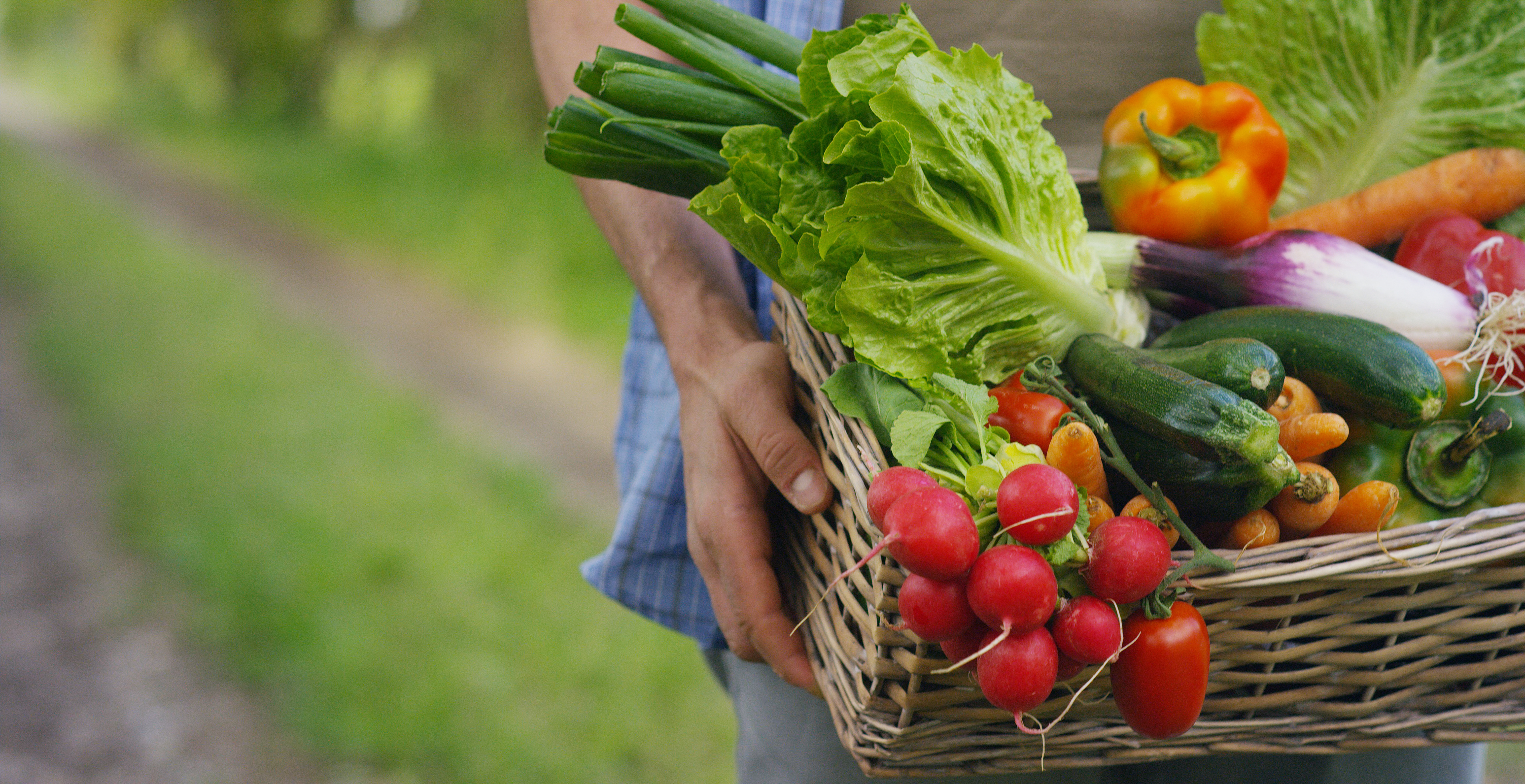
Tomatoes and peppers are essential partners for cucumbers in summer salads. Together, they create such a magical combination of flavor and hydration that they help explain the worldwide reputation of the Greek village salad.
Both vegetables are now available year-round, but during these summer months they have a different flavor and aroma. And, truth be told, they simply belong with our summer afternoons and evenings.
Basically, they work at any hour.
Tomatoes can even be eaten on their own, quartered and sprinkled with a little coarse salt—olive oil is entirely optional. They are 93.5% water and very low in calories, while their red color points to their abundance of lycopene, the powerful antioxidant associated with heart protection.
They are also rich in vitamins C and A and beta-carotene, supporting their beneficial effects on the skin. Tomatoes confirm the wisdom of nature: they are perfect in summer, precisely when our bodies have greater hydration needs.
Something similar is true of peppers, perhaps better known as good sources of vitamin C. Yet they also contain large amounts of water—around 94%—as well as electrolytes, meaning that eating them helps maintain the body’s fluid balance.
And then there are zucchini—vegetables we often dismiss as “watery.”
They are, in fact, highly hydrating, low in calories and rich in vitamin C and fiber. And if cooked properly, they can be exceptionally tasty.
Whether eaten raw, grated or finely chopped into salads, or grilled, boiled or even fried, zucchini are the very essence of summer.