 Μake us preferred on Google
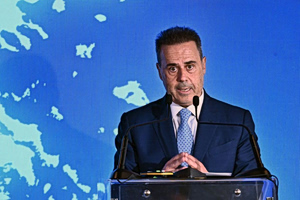
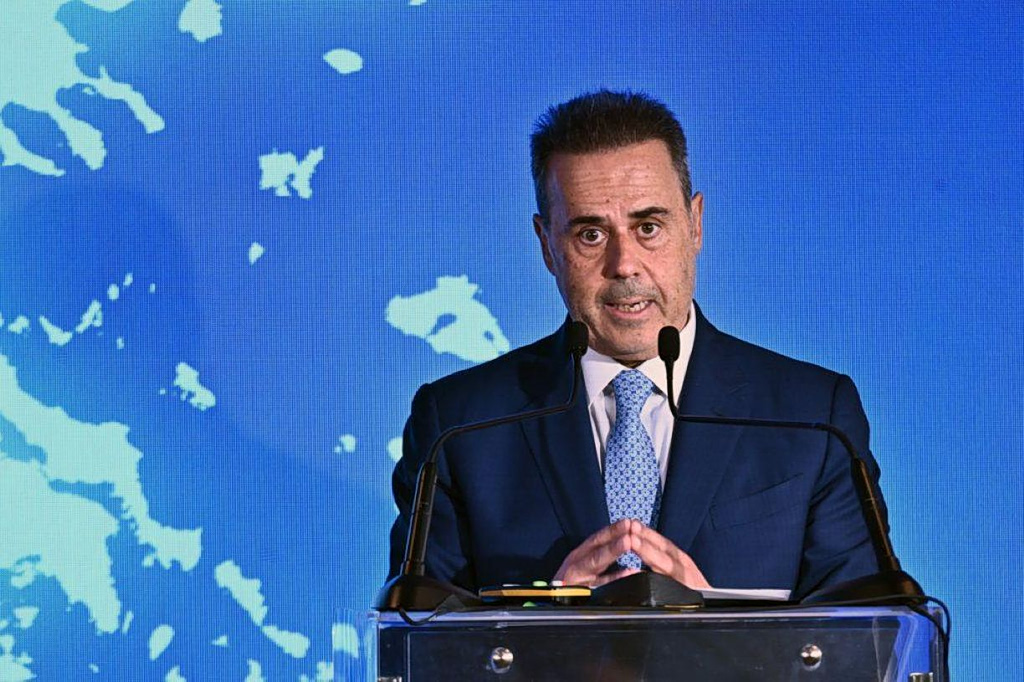
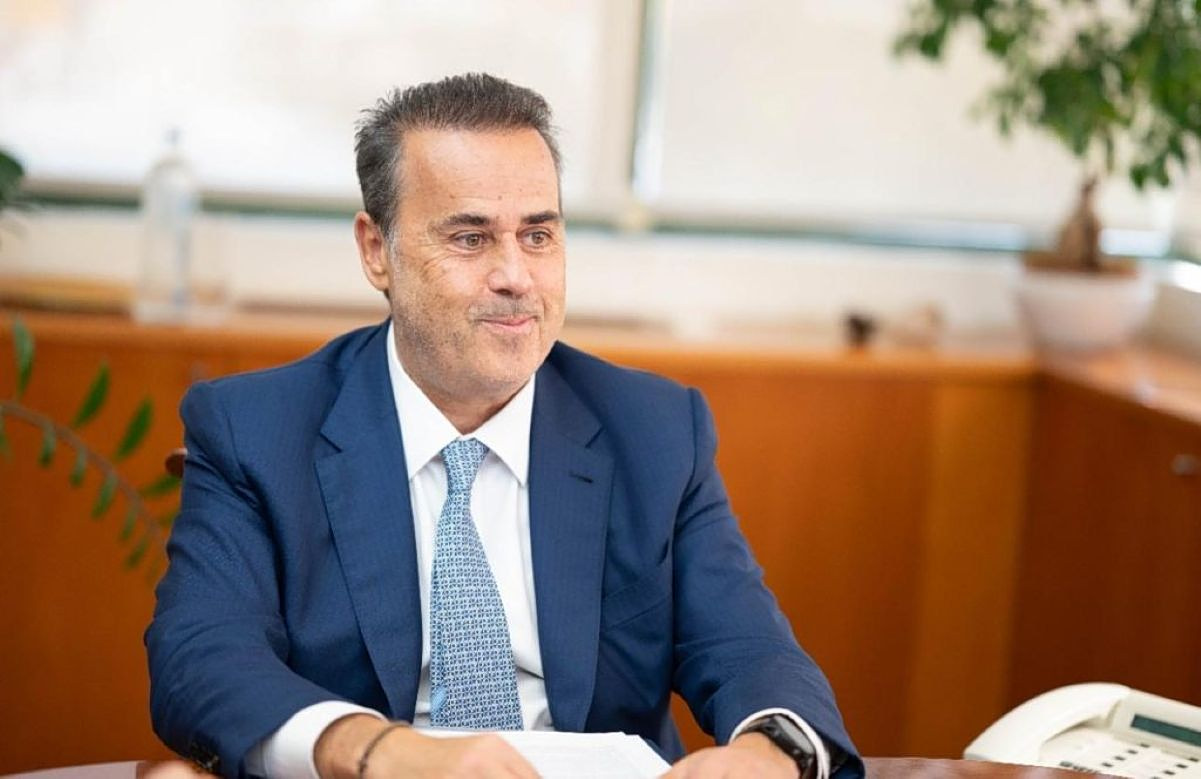
 Greece is consolidating its role as an emerging energy hub in Southeast Europe, with the Vertical Corridor seen as vital to Europe’s long-term energy security, Environment and Energy Minister Stavros Papastavrou said in Washington at an event marking “10 Years of U.S.–EU LNG Cooperation, ” on Monday Feb. 23. The discussion was hosted by LNG Allies and USLNG Association during his U.S. visit.
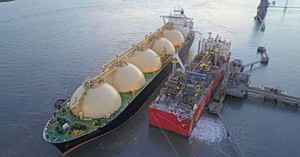
The minister described energy as a cornerstone of transatlantic security, noting that nearly 60% of Europe’s LNG imports now come from the United States, making the EU the top destination for American supplies.
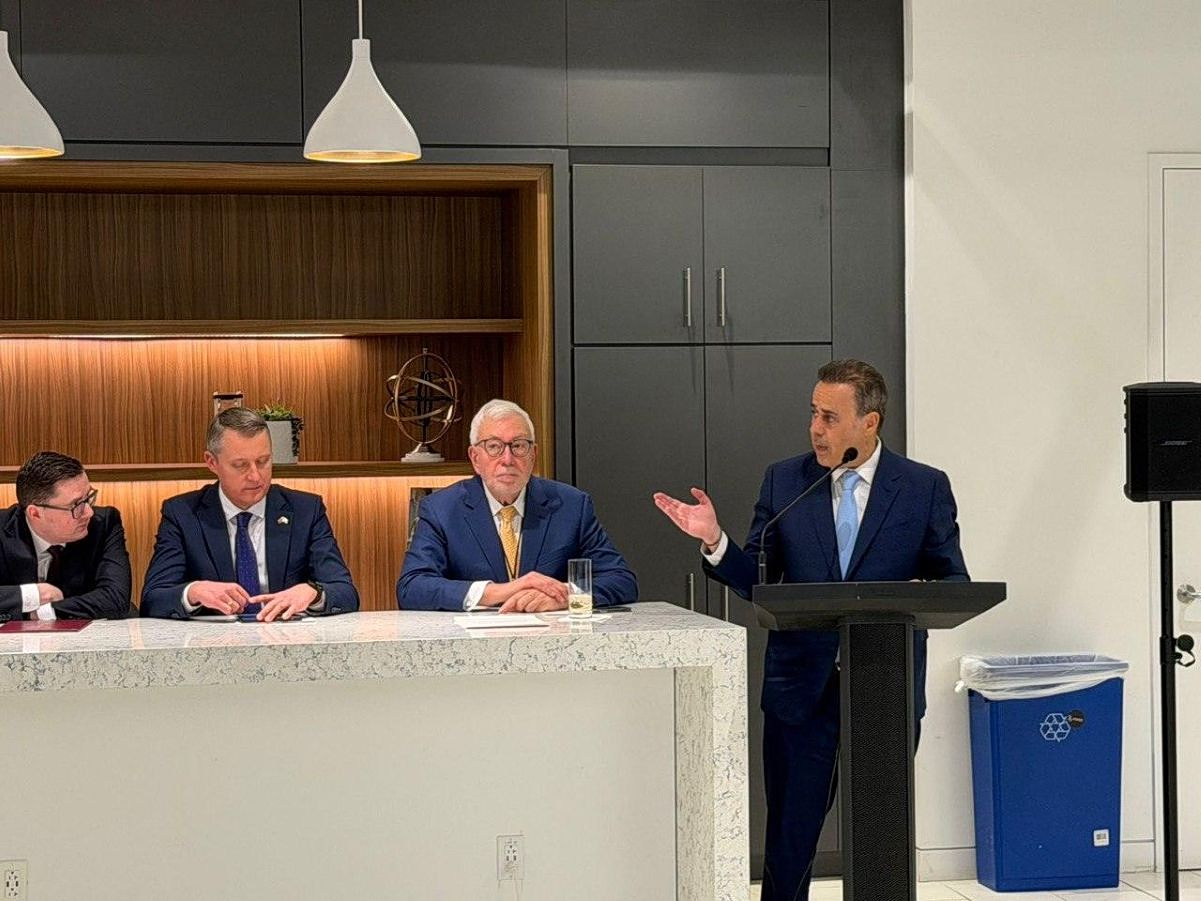
He said Greece had backed Ukraine from the outset, recalling that after Russia weaponized energy in 2022, the EU launched REPowerEU to end the contradiction of supporting Kyiv while funding Moscow’s war effort — a process that culminated in the March 2025 decision to phase out Russian gas by 2027.
For Greece, shaped by its own experience of the Turkish invasion of Cyprus, backing Ukraine and opposing Russian aggression was a natural choice, he suggested.
He noted that the EU is now the largest market for U.S. LNG and described the Vertical Corridor as an “artery of peace and prosperity.” Greece, he said, has shifted from a net consumer to a regional gas transit hub, with imports rising from 6–7 bcm in 2019 to 17 bcm in 2024, 11 bcm of which were re-exported. Coordinated by five countries, the initiative — with “Route 1” potentially running from Revithoussa to Kyiv — carries clear geopolitical weight, he added.
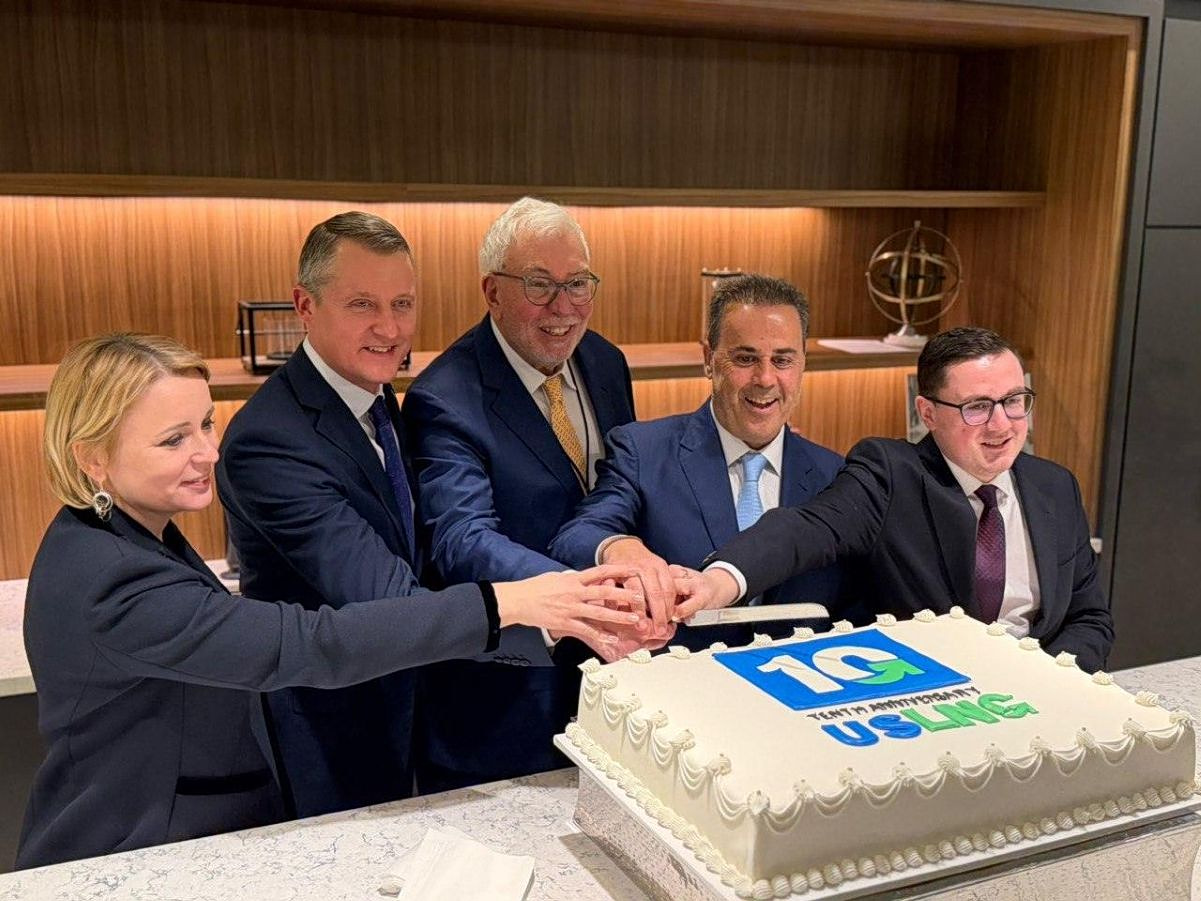
He cautioned that energy policy cannot be separated from security concerns, stressing the need to prevent Russian gas from re-entering Europe through indirect routes. Moscow, he warned, is already seeking unconventional pathways, potentially via Turkey. Although new EU rules treat gas arriving from Turkey as Russian unless proven otherwise, he questioned whether that safeguard is sufficient.
Without firm guarantees that Europe’s break from Russian gas is irreversible, he argued, the effort will falter. Up to 17 bcm could flow back through Turkey in 2025, and a return at competitive prices would risk undermining the transition. Despite commercial competition, he concluded, Europe remains united in its determination to avoid renewed energy dependence on Russia.
On Tuesday, Feb. 24, the minister is scheduled to take part in the Transatlantic Summit on Natural Gas Security and the Vertical Corridor.