 Μake us preferred on Google
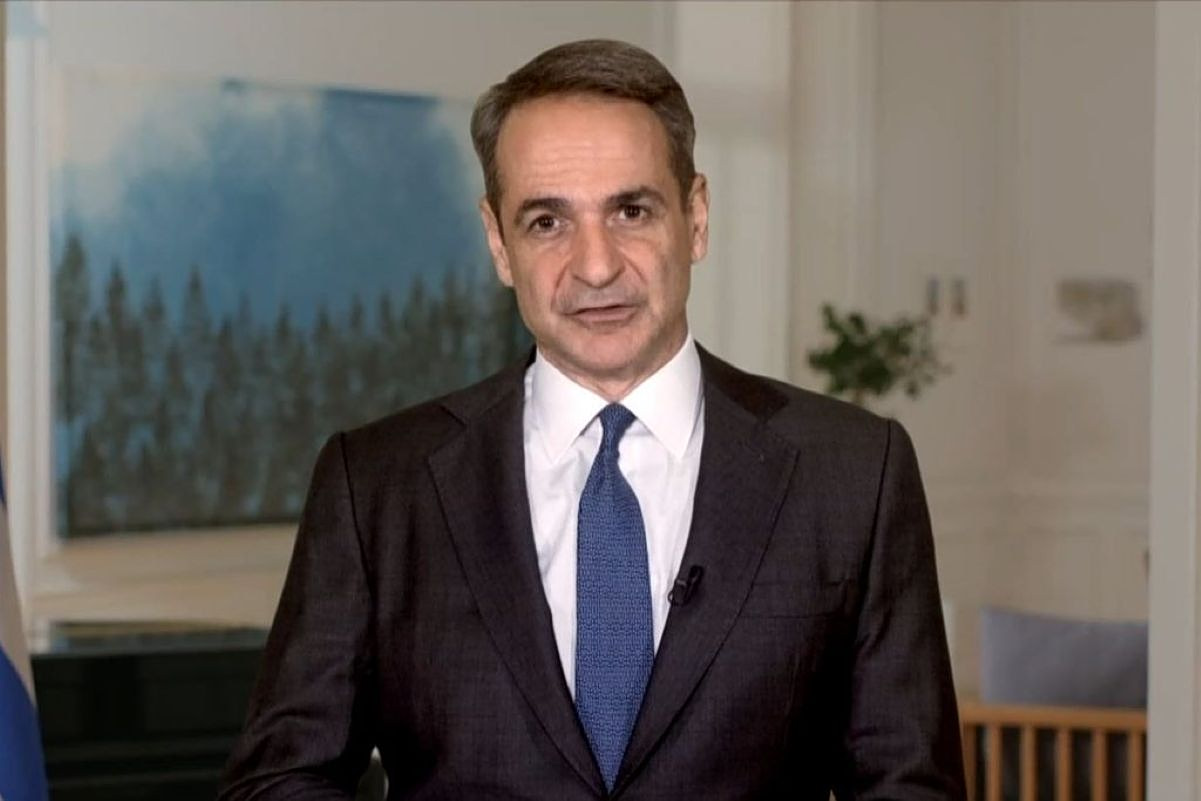
 The Middle East dominated the Greek Prime Minister Kyriakos Mitsotakis’ Sunday message on social media, as he urged Europe to move from rhetoric to readiness. He called on the European Union to develop a clear, actionable plan in the event of an attack on European soil, stressing that unity must be matched by preparedness.
Mitsotakis pointed to the solidarity shown by Greece and other EU member states toward Cyprus as proof that Europe can act cohesively. “But unity alone is not enough,” he warned, emphasizing the need for a concrete roadmap to respond swiftly and effectively to potential threats.
Turning to the economic fallout from instability in the Middle East, the prime minister underscored the importance of preventive measures. Europe, he argued, must equip itself with a targeted “toolbox” capable of providing temporary support to households and businesses, shielding them from the risk of a renewed energy crisis. Such measures, he noted, are integral to maintaining the bloc’s competitiveness—an issue extensively debated at the European Council.
On the domestic front, Mitsotakis highlighted what he described as the most significant development of the past week: the signing of a new Collective Labor Agreement in the food service and hospitality sector. Covering approximately 400,000 workers across a wide range of activities—from hotels to tavernas and bakeries—the two-year agreement provide wage increases ranging from 6% to 25%.
Base salaries are set to rise to between 950 and 1,000 euros gross, depending on specialization, while additional benefits—such as seniority, marital status, education, hazardous work, and seasonal employment—will also see upward adjustments. “Another important agreement in the labor market,” he remarked.
Mitsotakis also addressed new measures aimed at protecting minors, announcing a comprehensive ban on the sale of tobacco products and alcohol to underage individuals. Supported by a new digital age-verification system through the Gov.gr Wallet and Kids Wallet applications, responsibility for age checks will now rest squarely with vendors.