 Μake us preferred on Google
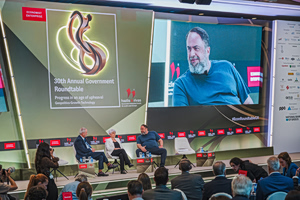
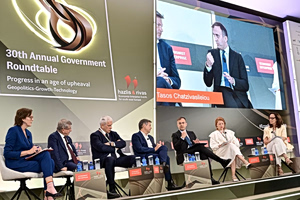
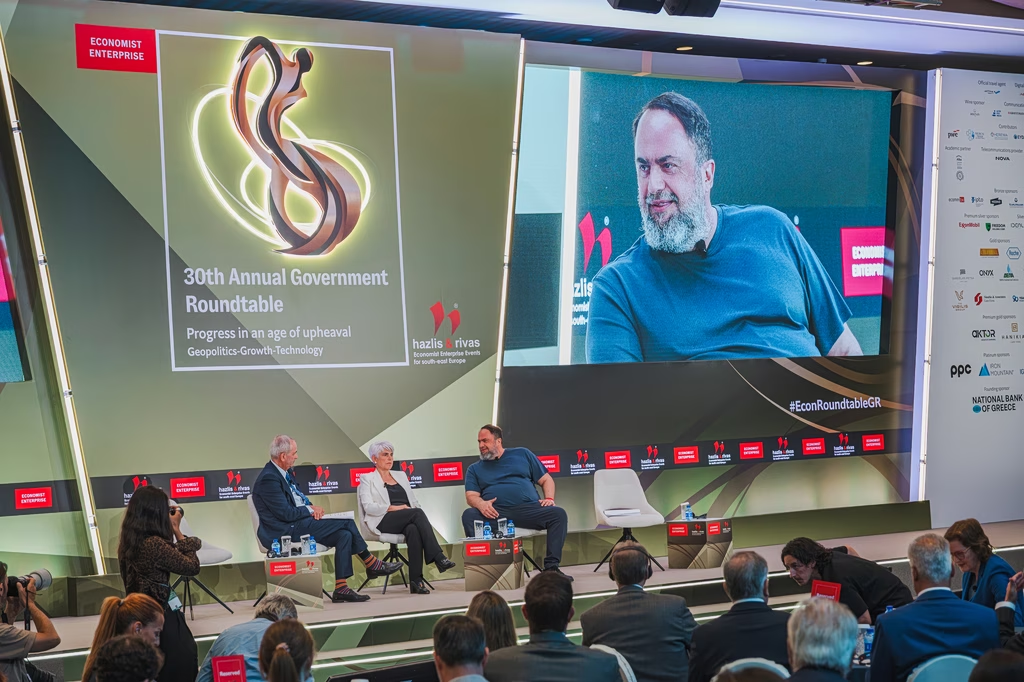
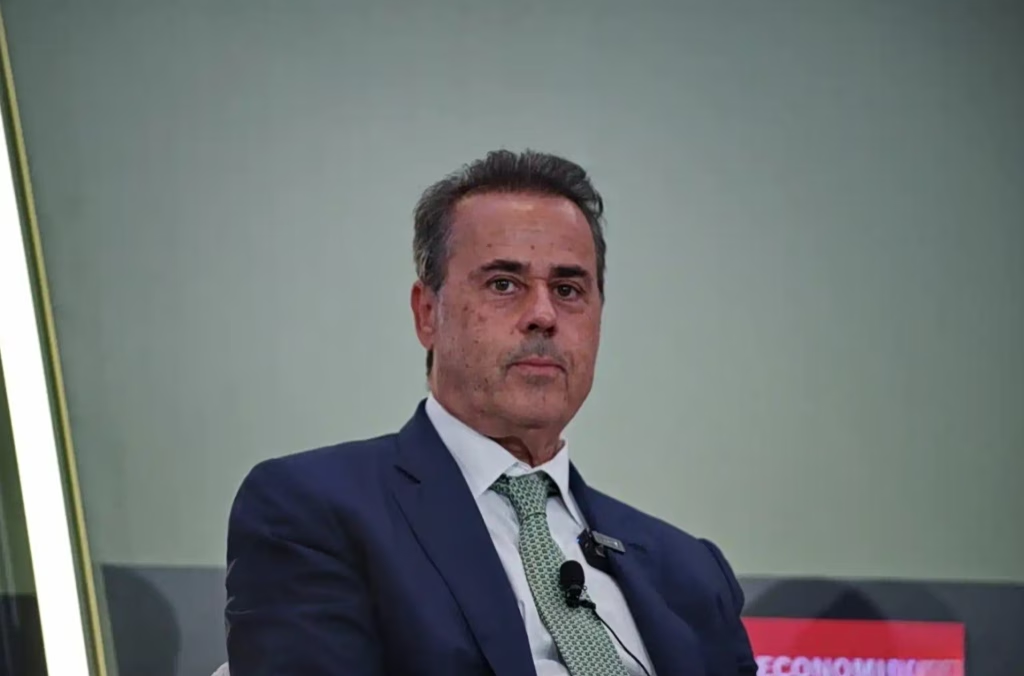
 Greece is helping shape a new energy architecture for Europe and the Eastern Mediterranean, Environment and Energy Minister Stavros Papastavrou said during the 30th Annual Economist Government Roundtable.
Speaking at two panel discussions, Papastavrou said Greece has evolved from a regional energy hub into a country actively contributing to the design of Europe’s future energy landscape.
“We are creating a region governed by the rules of international law, trade, prosperity and development,” he said, arguing that energy cooperation can strengthen regional stability rather than geopolitical rivalry.
Referring to developments around the Strait of Hormuz, Papastavrou said the Eastern Mediterranean is becoming an increasingly important center of stability and growth within Europe’s evolving energy strategy. He added that energy can serve as a bridge between countries across the region.
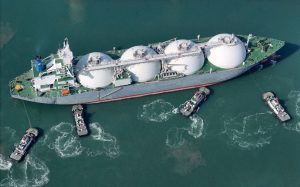
The minister also highlighted growing regional cooperation on energy infrastructure, pointing to projects that are now advancing after years of planning. He said natural gas from Cyprus and Israel is expected to be transported to Egypt for liquefaction before being shipped to Europe and other international markets.
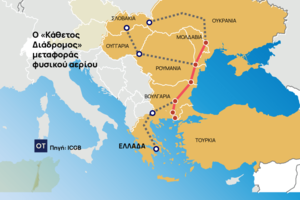
Papastavrou also stressed the importance of the Vertical Gas Corridor, describing it as more than an infrastructure project.
“It is transforming the way we cooperate,” he said, adding that energy collaboration is helping bring countries closer together despite historical, geographical and political divisions.
In a separate discussion with executives from major energy companies, Papastavrou said the private sector is at the heart of the region’s new energy architecture, with governments providing the framework for investment and cooperation.
He also argued that Europe has adopted a more pragmatic approach to energy policy, saying the transition to lower emissions should continue while taking into account industrial competitiveness and social cohesion.
The minister warned that the EU’s plan to phase out Russian natural gas must be implemented carefully, cautioning that the TurkStream pipeline could become a route through which Russian gas continues to enter southeastern Europe, contrary to EU policy.
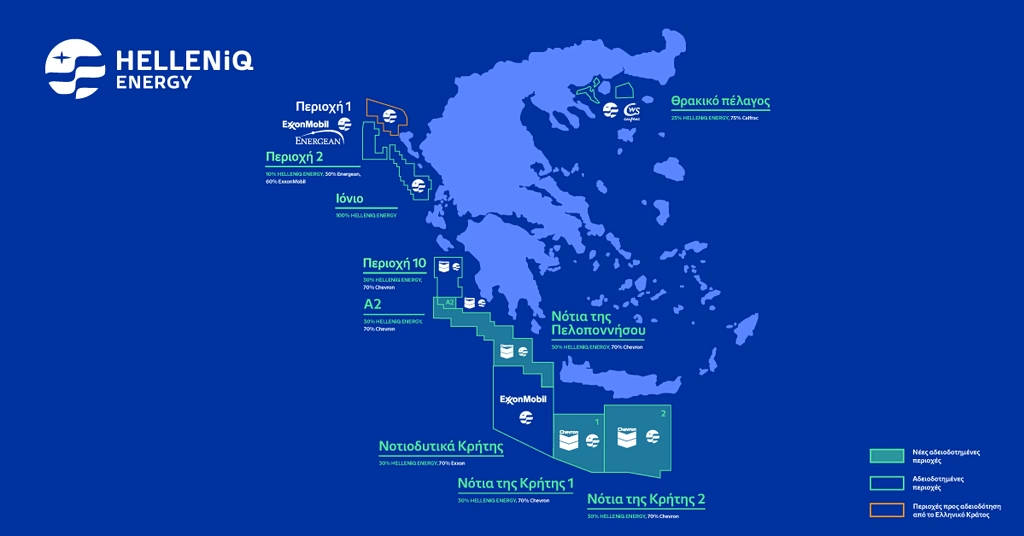
Papastavrou concluded by saying Greece should make full use of all of its domestic energy resources—including solar, wind, hydropower, hydrocarbons and critical raw materials—to ensure affordable and secure energy supplies for households and businesses.