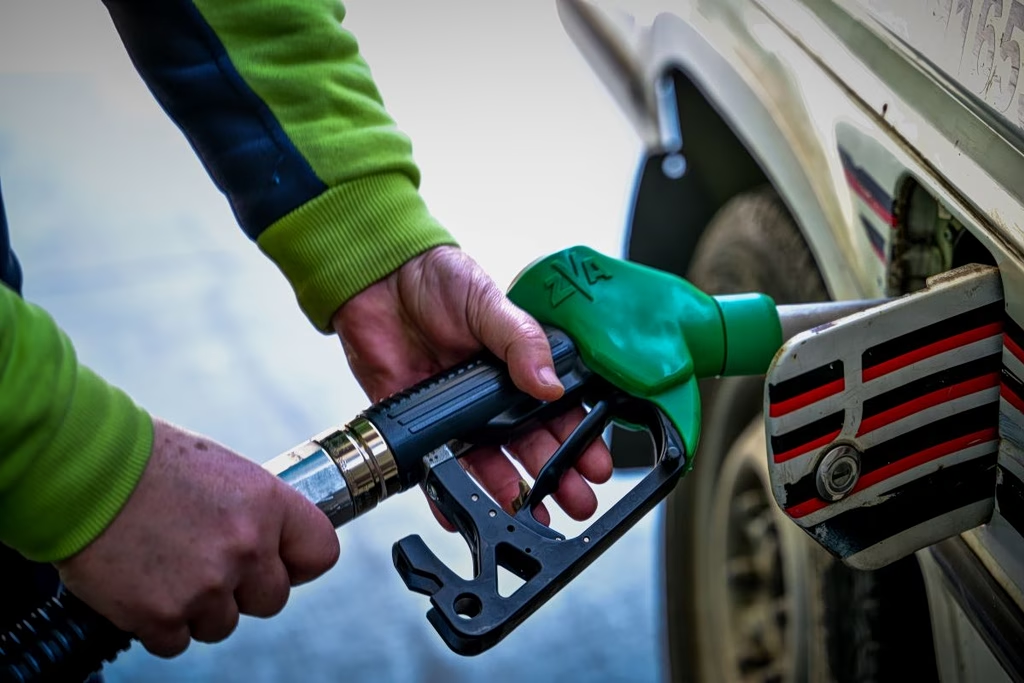
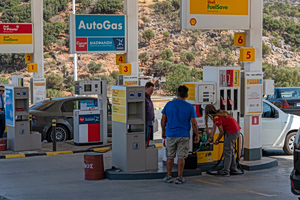
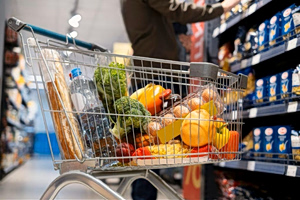
Fuel, transport and food costs drove a sharp monthly spike, with diesel prices up 32.4% year-on-year and no relief expected in the months ahead.
With inflationary pressures returning amid rising fuel prices, the government is preparing targeted relief measures funded by a €200 million reserve. The plan aims to cushion households from higher energy and transport costs while preserving fiscal stability
According to market analysts and government officials, consumer pressures are expected to intensify in the coming months, as there are few signs that the current wave of price increases will ease anytime soon.
Rising prices spill beyond fuel into everyday essentials, squeezing incomes and reshaping consumer behavior, as most households expect further increases and cut back on spending
Inflation rises as Greece continues to outpace the eurozone, exposing structural weaknesses in its energy-dependent economy. It also raises concerns that price pressures will prove more persistent, compounding the strain on households.
Additionally, Reuters on Tuesday quoted what it describes as two Greek officials citing plans to revise the 2026 growth forecast down to around 2% (from 2.4%)
Supermarket inflation in Greece rose to 2.4% in March, on an annual basis, according to the Institute of Retail Consumer Goods (IELKA). The March index recorded a slight 0.15% drop compared to 1.38% in February, with the aggregate 12-month index (April 2025-March 2026) posting a +1.62% uptick. The highest prices recorded were observed in appetizers, […]
The disparity is particularly worrying, as the full impact of the ongoing war in the Middle East has yet to be factored in.
Consumer prices accelerated in March across Europe, driven largely by a rebound in energy costs, as geopolitical tensions add pressure to already uncertain economic conditions.
The Bank of Greece governor says the current inflation surge, driven by global shocks, may be more difficult to manage than the 2021–22 episode, as expectations shift and repeated disruptions test central banks
Eurozone finance ministers hold emergency talks as oil tops $100, driving up costs for households and businesses and raising concerns over a new inflation cycle and the bloc’s ability to respond in time.
Across the euro area, annual inflation stood at 1.9% in February 2026, up from 1.7% in January and in line with Eurostat’s preliminary reading.
On a monthly basis, the CPI increased by 0.1% in February compared with January.
Compared with Jan. 2026, the price index fell by 0.19%, while the rolling 12-month period from March 2025 to Feb. 2026 shows a cumulative increase of 1.55%.
Among the main components, services posted the fastest annual growth at 3.4% in Feb., up from 3.2% in Jan. Food, alcohol, and tobacco remained steady at 2.6%.
Disruption to the Middle East’s prodigious energy exports could have far-reaching economic consequences.
Eurozone inflation eased to 1.7% in January 2026, while consumer prices in Greece fell month over month, according to final data from Eurostat. Services remained the main driver of price pressures across the euro area
Despite government pledges, modest pay raises in 2025 failed to match inflation, shrinking real incomes and leaving Greek households worse off as the wage gap with Europe remains wide
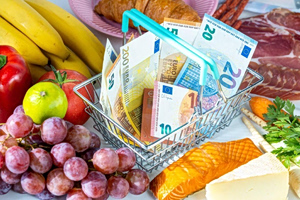
Food prices remained a key driver of inflation. Beef prices surged 25.4% year-on-year, lamb rose 8.5%, and fruit prices climbed 11.8%.
Wage earners saw little benefit from Greece’s roughly 2% economic growth, as incomes failed even to keep pace with inflation.