 Μake us preferred on Google
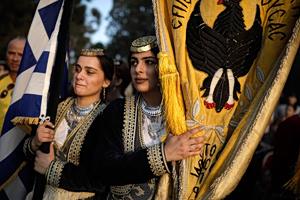
 This year marks 107 years since the Genocide of the Pontic Greeks by the Ottoman and later Turkish state, a tragedy forever associated with May 19, 1919. On that day, Mustafa Kemal arrived on horseback in Amisos — present-day Samsun — signaling the beginning of systematic persecutions and ethnic cleansing operations against the Greek population of Pontus, as part of the broader campaign against the Christian peoples of the East. More than a century later, the crime remains without full international recognition or justice.
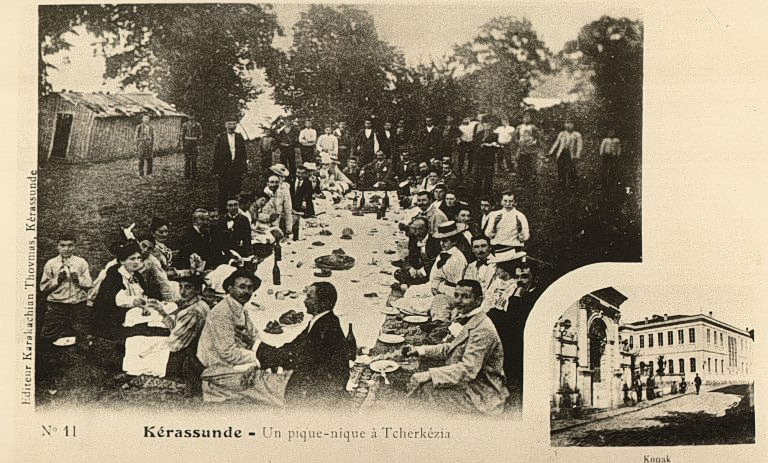
The suffering of the Pontic Greeks stretches back centuries. Since 1461, the year the Empire of David Komnenos fell to the Ottomans, the Hellenism of Pontus endured repeated waves of persecution under Turkish rule. Yet the most devastating chapter unfolded during the second decade of the 20th century.
Between 1915 and 1922, the Pontic Greek population paid a devastating price. Entire communities were subjected to expulsions, imprisonment, rape, confiscation of property, forced marches, executions, and hangings. Like the Armenians, the Pontic Greeks became victims of a campaign driven by nationalist fanaticism and violence.
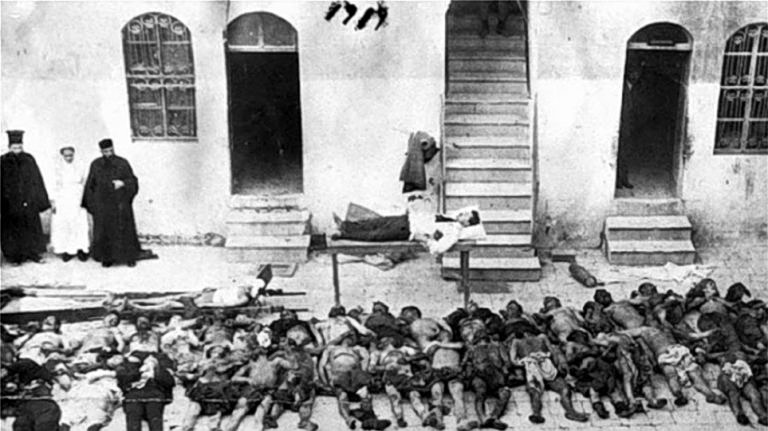
The era also brought the first mass uprooting of the Pontic Greeks from their ancestral homeland. Families were expelled without warning. The infamous Independence Tribunals operated with brutal efficiency, condemning leading Pontic figures, bishops, and clergy to death through summary proceedings and public executions.
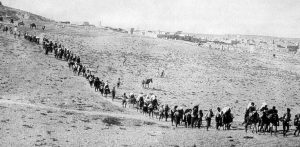
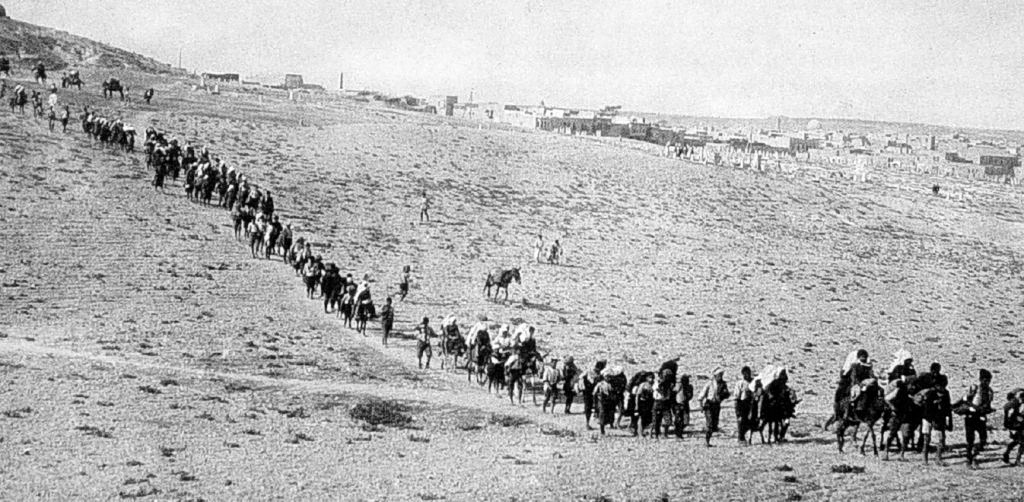
Those forced into exile were allowed to carry little more than a handful of personal belongings. Hidden among their clothes were sacred icons salvaged from their homes — fragile remnants of a world being erased. Long caravans of refugees gathered along the ports of the Black Sea, waiting desperately for passage to safety.
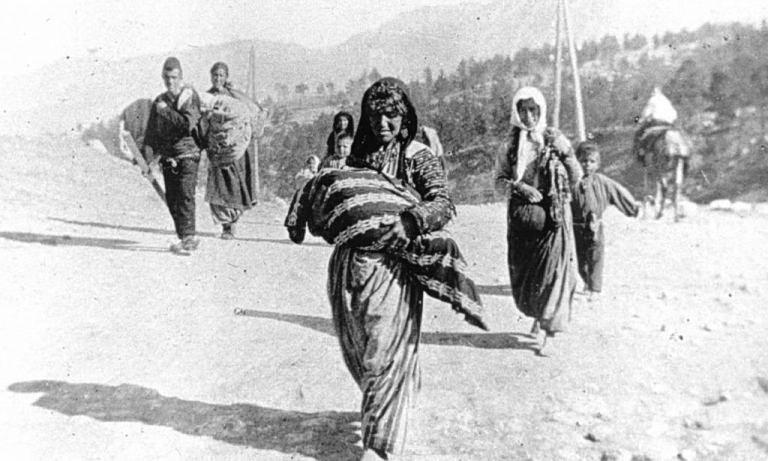
More than 500,000 Pontic Greeks were driven into exile in what became a true odyssey of suffering. Packed into overcrowded steamships, starving, sick, and exhausted, they searched for a harbor willing to receive them. Thousands remained trapped aboard ships in quarantine for months, unwanted and rejected from port to port.
Their desperate journey stretched from Piraeus to Nafplio, then to Patras and Preveza, before returning again to Piraeus, Volos, and Thessaloniki. A similar fate befell the 160,000 Greeks of Eastern Thrace. In Gallipoli, Raidestos, Heraclea, Adrianople, and other regions, Turkish authorities ordered Greek populations to evacuate within days.
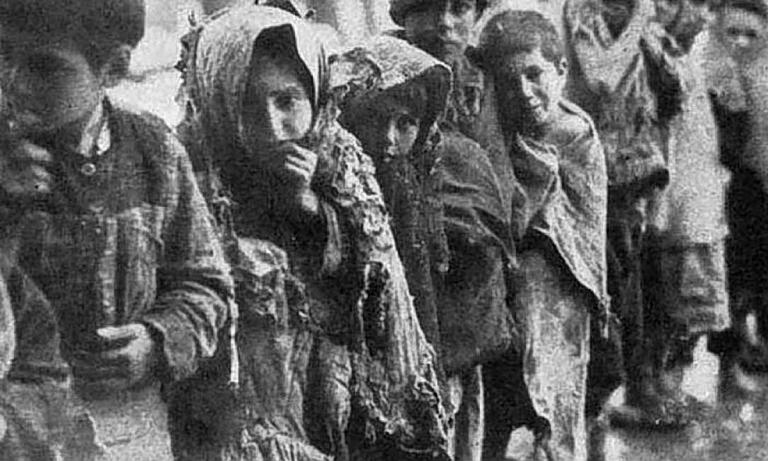
Many managed to cross the Evros River with pack animals and ox carts, eventually finding refuge in Greece. But the Pontic Greeks of the inland regions suffered the harshest ordeal. Cut off from the sea, they were deported to remote and inhospitable territories where countless people died from hunger, disease, cold, and exhaustion.
Only a small number survived long enough to be discovered by American and French humanitarian and governmental missions. The survivors were found emaciated and broken — human wreckage left behind by war and persecution — and were eventually transported to Greece.
Yet despite the trauma of exile, the Pontic Greeks, together with the wider Greek populations of Asia Minor and the East, profoundly reshaped modern Greece. They carried with them traditions, values, customs, music, language, and cultural memory that enriched the Greek state. They repopulated areas of Macedonia and Thrace left vacant after the departure of Muslim populations, helping rebuild entire regions through hard work, resilience, and determination.
Out of catastrophe, they forged new lives — and left an enduring mark on the identity and cultural fabric of modern Greece.