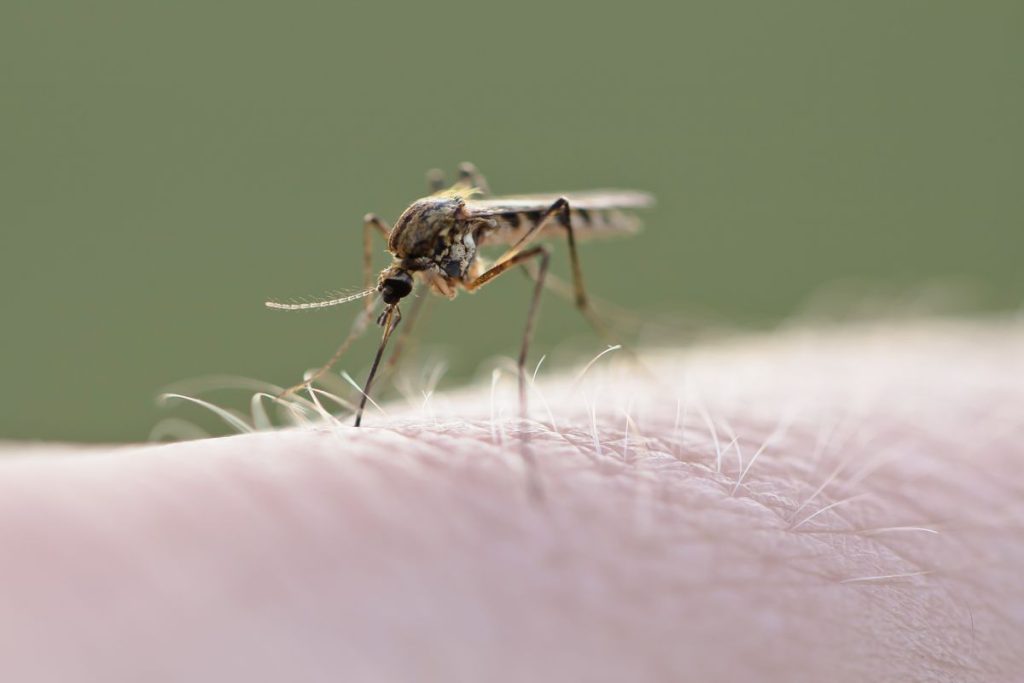
The chikungunya virus, a mosquito-borne disease known for causing severe and long-lasting joint pain, is increasingly posing a threat across Europe, including Greece. Researchers warn that climate change is extending both the season and geographic reach of the virus.
Southern European countries such as Greece, Italy, Spain, and Portugal may now face transmission risks for more than six months each year due to warmer temperatures. Even parts of northern Europe, including southeastern England, could see seasonal outbreaks lasting up to two months annually. Scientists caution that continued global warming will likely push the virus further north in the coming years.
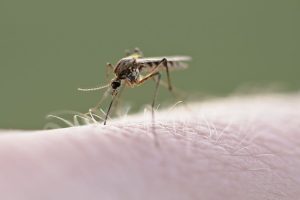
The virus is primarily spread by the Asian tiger mosquito (Aedes albopictus), an invasive species that has established itself across Europe and is active during daylight hours. New research indicates that chikungunya can now be transmitted at lower temperatures than previously thought—around 13–14°C, roughly 2.5 degrees lower than earlier estimates—raising concern among public health experts.
First identified in Tanzania in 1952, chikungunya was historically limited to tropical regions, where millions of cases occur annually. The disease causes:
- Severe, prolonged joint pain
- High fever and rash
- Long-term complications, with up to 40% of patients experiencing chronic arthritis or pain years after infection
Young children and the elderly are at particular risk of severe or fatal outcomes.
Europe has already seen outbreaks in more than ten countries, with major epidemics reported in France and Italy in 2025. Many outbreaks begin when travelers return from tropical regions carrying the virus, which is then transmitted locally by native tiger mosquitoes.
Experts emphasize that Europe’s warming rate—nearly double the global average—is accelerating the northward spread of the virus. “Twenty years ago, tropical diseases like chikungunya were unthinkable in Europe,” notes scientists, “but climate change and mosquito expansion have changed that reality.”
Prevention remains the most effective protection. While vaccines exist, they are expensive, and public health authorities recommend measures to reduce mosquito exposure:
- Remove standing water to prevent mosquito breeding
- Use insect repellents
- Wear light-colored, long-sleeved clothing
- Strengthen local mosquito surveillance systems