 Μake us preferred on Google
 Emergency workplace measures have come into effect across Greece as a severe heatwave is expected to peak on Tuesday, with extreme temperatures forecast to continue through Wednesday.
The temporary rules include mandatory work stoppages for certain outdoor jobs during the hottest hours of the day, as well as remote work arrangements for employees considered to be at high risk from heat exposure where their duties allow.
Remote Work for Vulnerable Employees
According to labor guidance, employers are required to offer remote work to employees in vulnerable health groups whenever the nature of their job makes it possible.
The high-risk categories include people with heart or lung conditions, chronic illnesses such as diabetes, kidney disease or blood pressure disorders, workers taking certain medications including insulin, pregnant women, employees aged over 60, and those who work in hot environments.
Eligibility must be confirmed through a medical certificate or an occupational health physician.
Outdoor Work Halted During Peak Heat
Manual outdoor work must be suspended between 12:00 p.m. and 5:00 p.m. when specific temperature and humidity thresholds are exceeded or when the Wet Bulb Globe Temperature (WBGT) index rises above the prescribed safety limit.
The restriction applies to sectors where workers face prolonged exposure to extreme heat.
Sectors Affected
The emergency measures cover several industries, including:
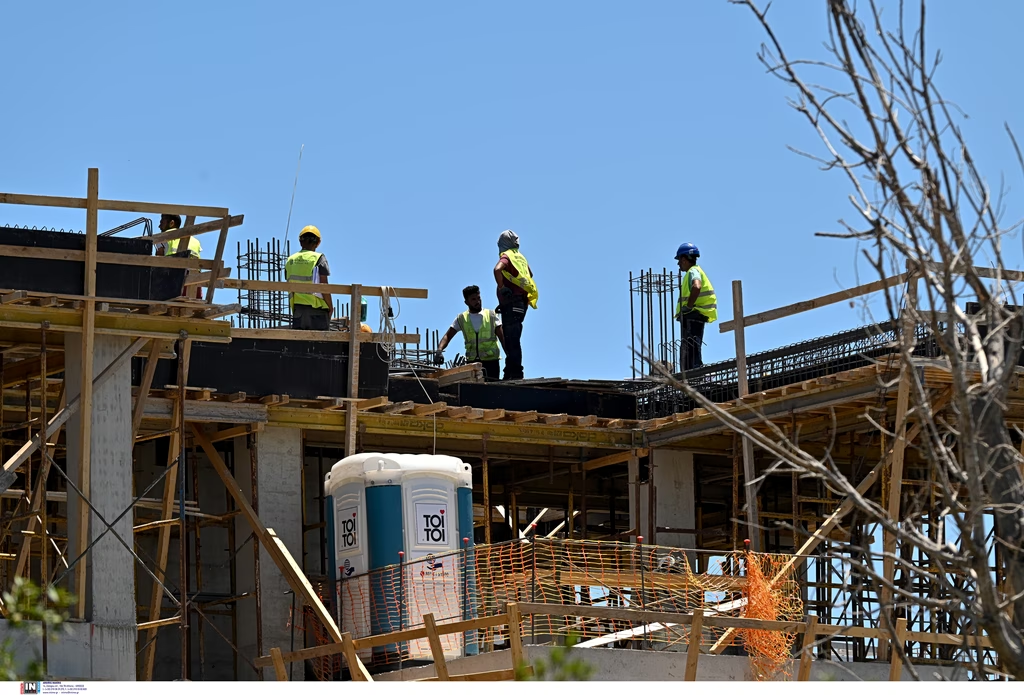
- Construction sites and other outdoor engineering projects, where work must stop during peak heat hours.
- Delivery workers using motorcycles or scooters, regardless of their employment status.
- Ship repair yards, where special working-hour arrangements apply depending on temperature levels.
- Mines and quarries, where outdoor operations are suspended once heat limits are exceeded.
Additional Heat Protection Measures
Employers are also required to implement a range of protective measures for employees working in hot conditions. These include providing shaded work and rest areas, supplying cool drinking water, offering appropriate sun protection and head coverings, improving workplace ventilation and cooling where possible, and scheduling demanding tasks outside the hottest part of the day.
The guidance also calls for regular breaks, air-conditioned or shaded rest areas, proper maintenance of air-conditioning systems, and assessments of factors such as dehydration risk, workload and workers’ acclimatization to high temperatures.