 Μake us preferred on Google
 As swimming season gets underway and water temperatures rise, experts are warning beachgoers about the risk of encountering the weever fish, a venomous species that often buries itself almost completely in sand or mud.
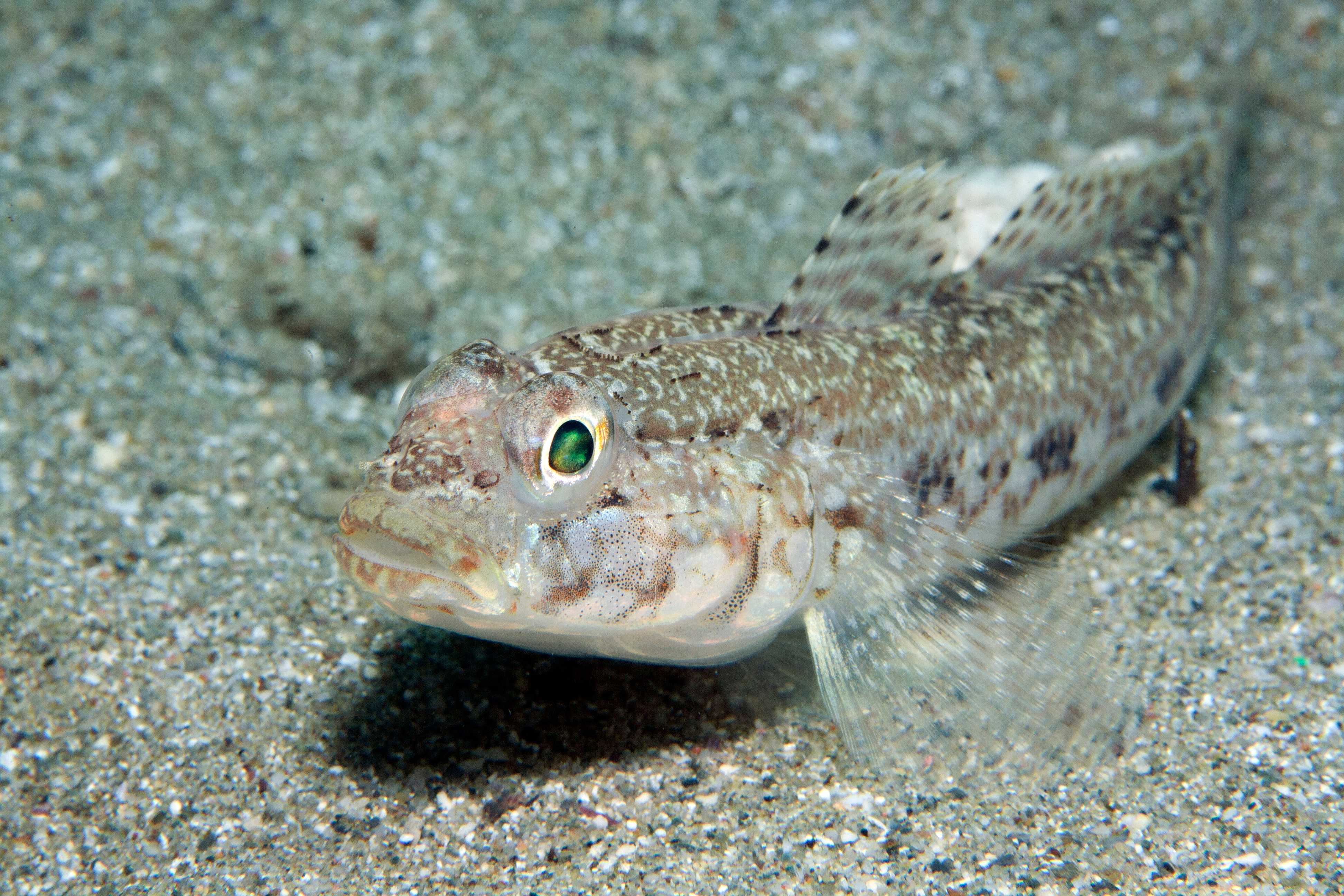
Known as the Petermännchen in German, the weever is considered one of the most venomous marine animals in Europe. It prefers shallow waters, where unsuspecting swimmers can accidentally step on its venomous spines.
A sting that causes immediate pain
Around 30 to 40 people are stung by weever fish each year along the German coast. The sting causes immediate and severe pain, often described as more intense than that caused by a bee or wasp sting. It can also cause swelling, redness and severe joint pain.
In rare cases, the venom can trigger serious allergic reactions or even life-threatening anaphylactic shock.
NEWSLETTER TABLE TALK
Never miss a story.
Subscribe now.
The most important news & topics every week in your inbox.
The common weever is found in the North Sea, western Baltic Sea, Mediterranean and eastern Atlantic. Although it has largely disappeared from the Wadden Sea, it continues to appear regularly along North Sea and Baltic coasts during the summer.
During the breeding season, groups of weever fish move into shallow waters, where most accidents occur.
The dangerous venomous spines are located on the fish’s first dorsal fin and on its gill cover. Its venom contains the protein dracotoxin and the neurotransmitter serotonin. The venom is released when the spines penetrate the skin.
In addition to intense localized pain, a sting can cause nausea, fever, breathing difficulties, circulatory problems or heart arrhythmias.
What to do after a sting
After a sting, the hard spine should be removed as quickly as possible and the wound disinfected.
Experts recommend exposing the affected area to temperatures above 50 degrees Celsius, for example by placing it in very hot water or using a hair dryer. Heat can break down the protein components of the venom.
The area should then be cooled and examined by a doctor, who will also check whether the patient has adequate protection against tetanus.
The simplest way to reduce the risk of being stung is to wear water shoes, particularly when walking through shallow water.
Recreational fishermen are advised to wear protective gloves when handling weever fish they have caught.
Divers and people using masks and snorkels should also avoid getting too close to the seabed. Weever fish can bury themselves almost completely in the sand, making them difficult to spot.
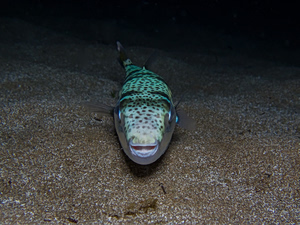
The fish can grow to around 53 centimeters long. It has a bluish-yellowish coloration, prominent eyes and a venomous dorsal fin that it normally keeps pressed against its body. It raises its spines when it feels threatened.
Other venomous fish to watch for
Travelers vacationing around the Red Sea, Indian Ocean or Pacific Ocean should also be aware of the stonefish, considered the world’s most venomous fish. Its sting can be fatal to humans.
A related species is the lionfish, whose venom can cause death in people with heart problems. It can also cause muscle contractions and severe, prolonged pain.
The large red scorpionfish is found in the Mediterranean and Atlantic. Its venomous spines are carefully removed before the fish is eaten. A sting can cause pain and potentially affect blood circulation.
Pufferfish are also venomous and inflate into a spherical shape when threatened. They can be particularly dangerous when consumed as a delicacy. If the Japanese dish fugu is not prepared correctly, its neurotoxin can cause respiratory paralysis or cardiac arrest.
Experts recommend wearing water shoes when entering the sea to reduce the risk of stepping on venomous fish. When ordering fish at a restaurant, travelers should also ask whether it has been prepared properly and by certified methods.