 Μake us preferred on Google
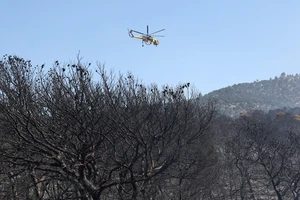
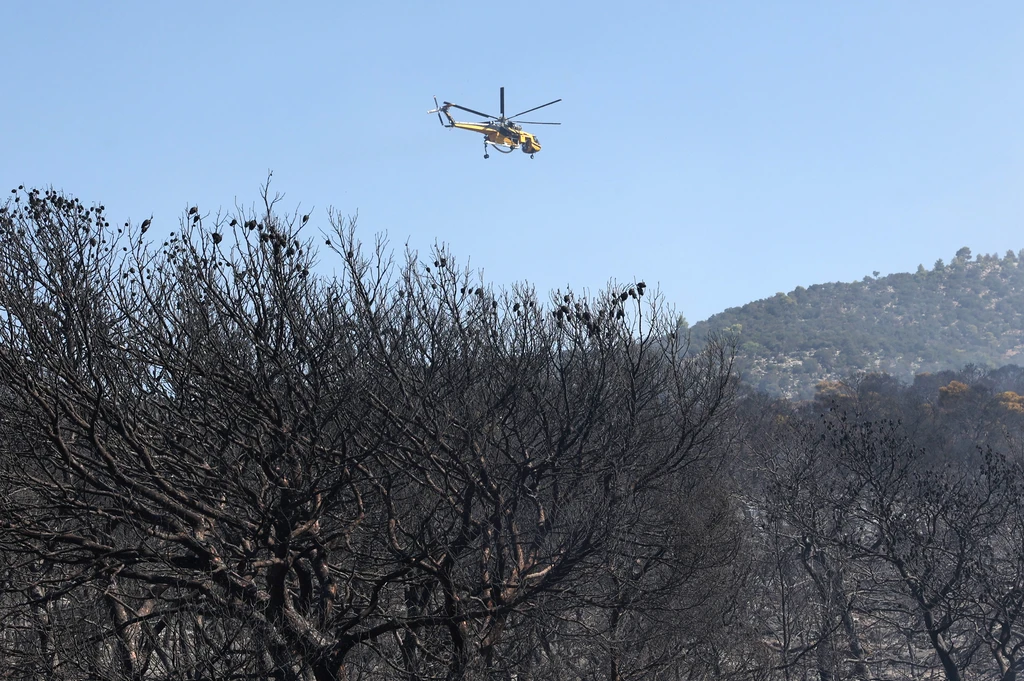
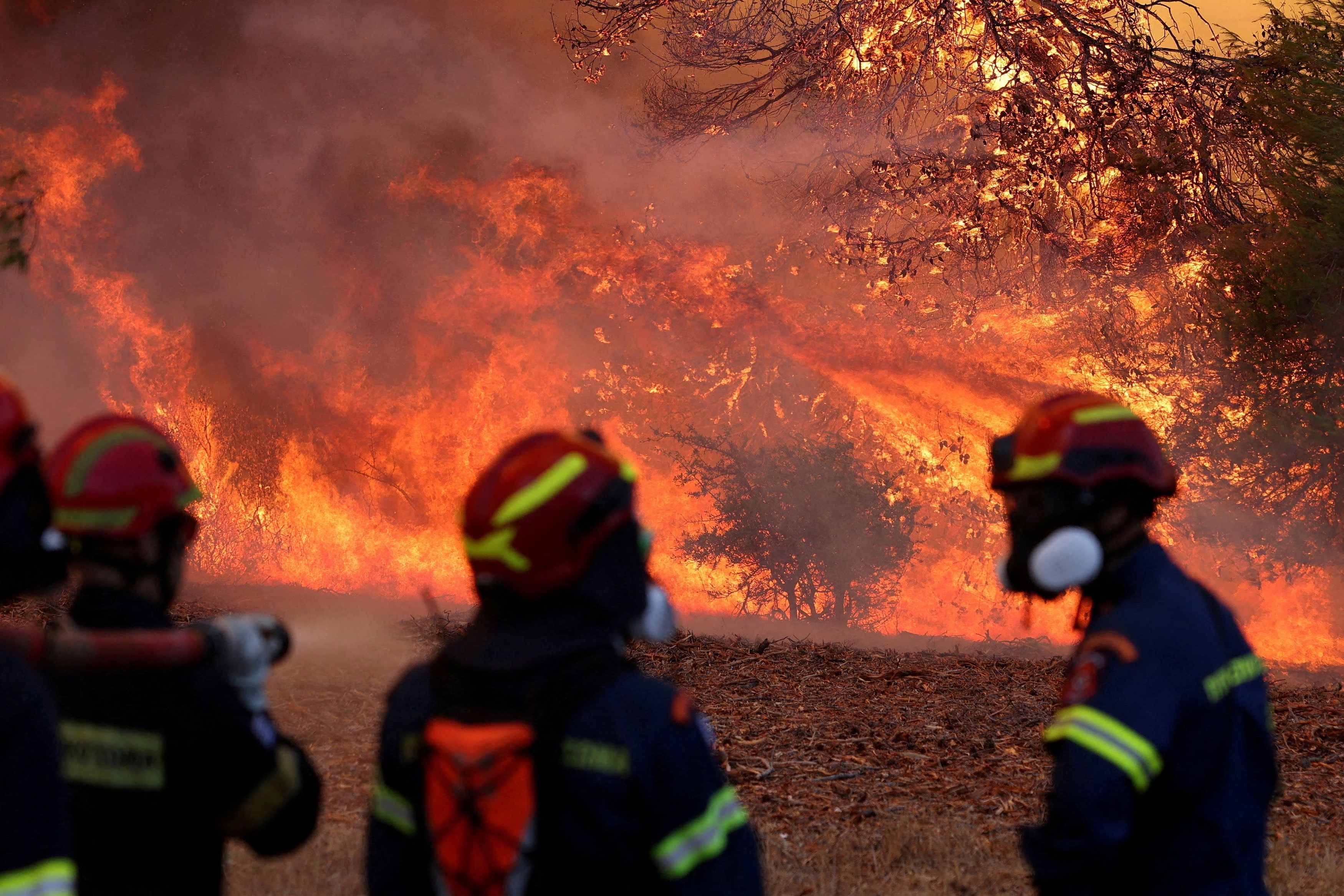
 When Greece’s aerial firefighting crews take off to battle wildfires, they face what one veteran pilot describes as “war conditions,” operating in scorching cockpit temperatures, dense smoke, violent turbulence, and constantly changing hazards that demand split-second decisions.
According to Mammas Krassas, a retired Hellenic Air Force brigadier general and pilot with 33 years of flying experience, every firefighting mission pushes crews to their physical and mental limits.
Before the aircraft even leaves the runway, pilots are already drenched in sweat. Once airborne, they must contend with cockpit temperatures that can reach 50 to 60 degrees Celsius, repeated low-altitude water drops just meters above the ground, water scooping maneuvers at sea, and thick smoke that can erase the horizon and severely limit visibility.
“The pilots operate in war conditions,” Krassas said, describing the extreme environment faced by aerial firefighting crews.
When weather makes flying impossible
Despite their experience, there are times when even the most skilled pilots cannot safely operate.
Krassas said the powerful winds that blew during the early stages of the major wildfire in Boeotia prevented firefighting airplanes and helicopters from joining the operation.
“When you can’t carry out the mission, you feel enormous disappointment,” he said. “From above, the beauty of a lush green landscape is breathtaking. When you see destruction approaching and you’re unable to stop it because of the wind and weather conditions, you feel tremendous pain. Sometimes we are simply powerless against the forces of nature.”
According to Krassas, strong winds and rough seas are among the greatest dangers for Canadair firefighting aircraft. Sea conditions that appear calm can suddenly become hazardous during water collection, while severe turbulence over active fires can make flying impossible.
“When there is very strong turbulence, you can’t contribute anything because you’ll crash,” he said.
He also explained that the moment of a water drop presents another critical danger. Changes in air density above the flames can create “negative G” forces that pull the aircraft downward.
“When you’re flying just 10 meters above the ground at 200 kilometers per hour, you have to react in fractions of a second,” he said.
Extreme heat and relentless concentration
Krassas said the physical demands extend well beyond the intense heat.
Pilots must simultaneously monitor the fire, changing winds, radio communications with ground crews, the movements of other aircraft, and less experienced pilots who may be flying wildfire missions for the first or second time.
“Your senses are working at 110%,” he said. “The pilot sitting in a cockpit at 50 degrees Celsius has to process all of this, and their mind has to work at incredible speed to complete the mission.”
Weeks of nonstop operations
Reflecting on his career, Krassas recalled one particularly demanding firefighting campaign in the 1980s.
During an 18-day period, he said his crew accumulated 215 hours of firefighting flights, often flying 13 to 15 hours a day without returning home.
He remembered taking his family to Andravida before beginning duty, only to be redirected repeatedly to major wildfires across Greece, including Rhodes, Chios, and Pelion.
“We flew for eight days, from morning until night,” he said. “Our flight suits were soaked before takeoff. After three or four hours, it was like they had just come out of the washing machine. After 14 hours, they were white from the salt.”
After returning to their hotel late at night, crews would wash their uniforms, hang them to dry, and put them back on just a few hours later while they were still wet before flying again.
By the end of the nearly three-week deployment, Krassas said the crews were functioning almost mechanically.
“The only thing you think about is finding somewhere to rest your body so you can endure the next day, and the day after that,” he said.
Greater focus on safety and prevention
Krassas noted that safety procedures for aerial firefighting crews have improved significantly since those years.
He said pilots now typically return to base after two or three hours of firefighting for refueling and are required to rest for two hours after a second sortie. A third mission is usually carried out by a different crew.
He also argued that aircraft should play a supporting role in wildfire suppression, stressing that fires are ultimately extinguished from the ground.
Calling for greater emphasis on prevention, he said forest roads and stronger forestry services are essential to improving Greece’s ability to combat major wildfires.
“We need to focus on prevention,” Krassas said. “Otherwise, we will continue to watch our forests be destroyed.”