 Μake us preferred on Google
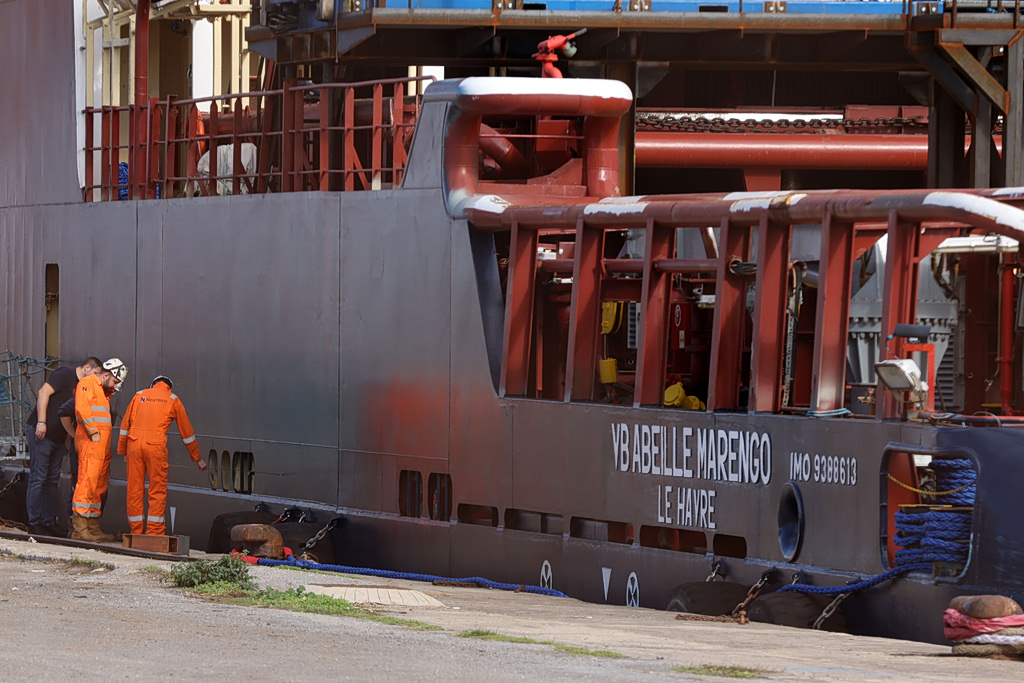
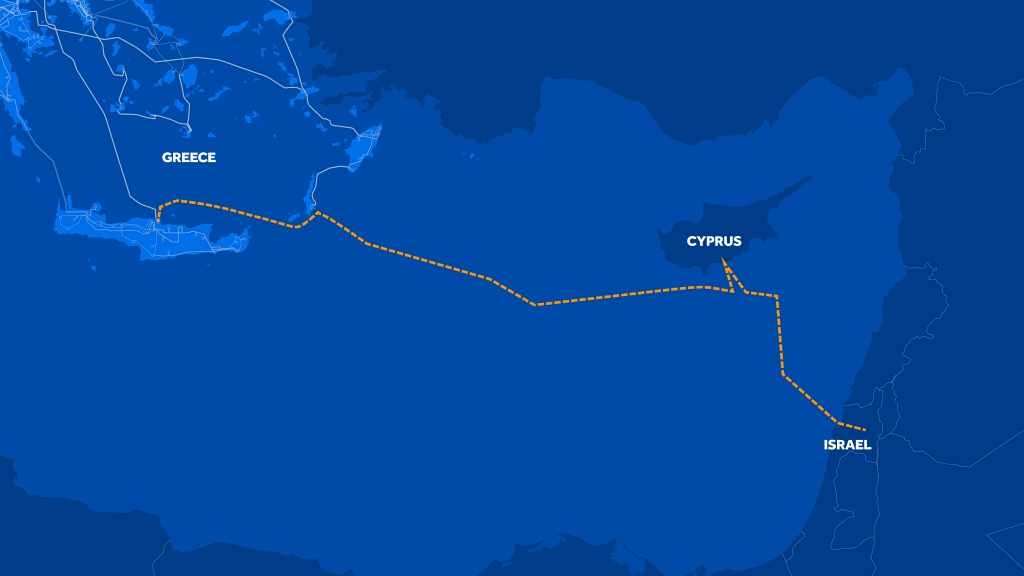
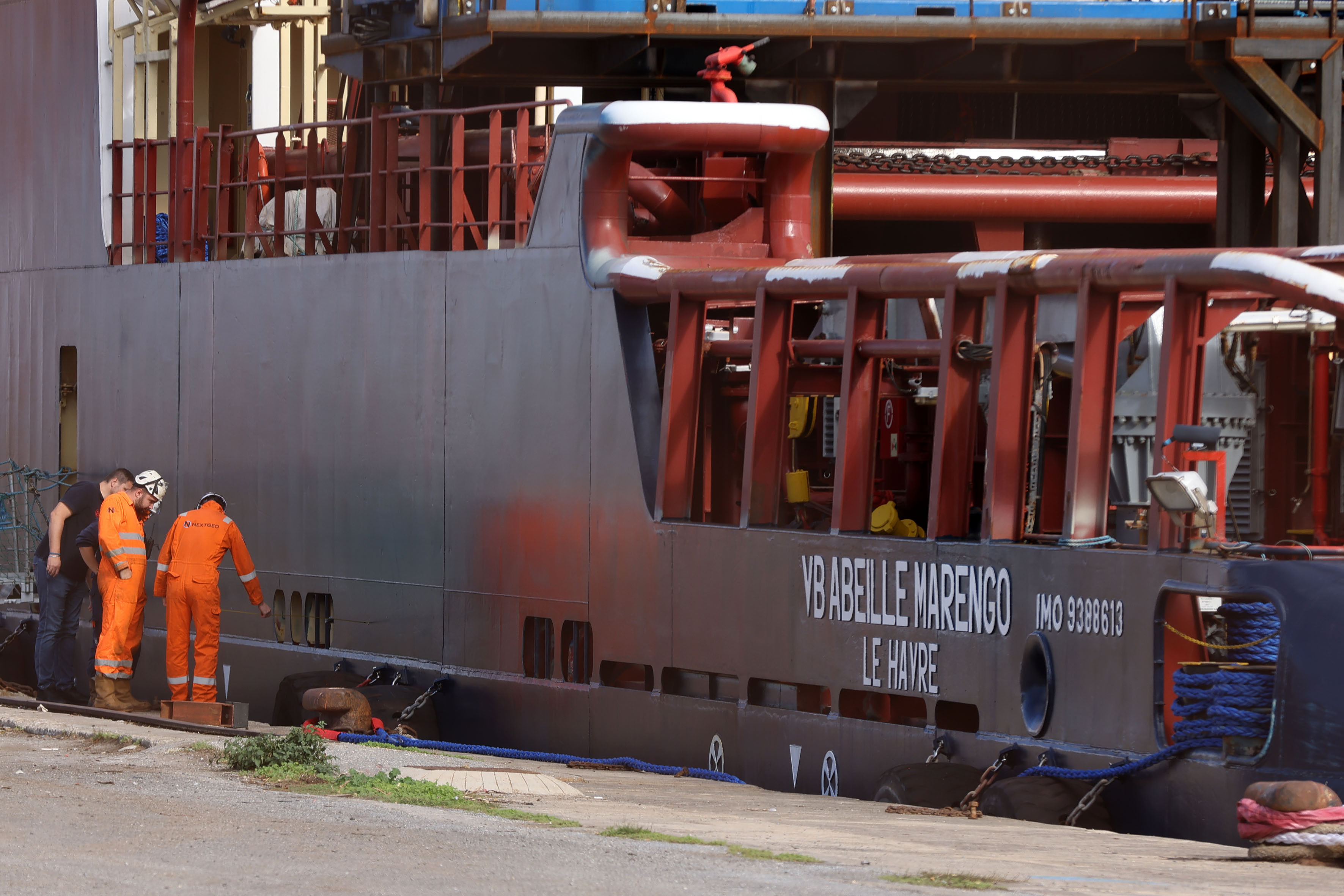
As the French research vessel Abeille Marengo prepares to depart for the GSI project, barring any unforeseen developments in the coming hours, the government is trying to provide answers about the intense diplomatic maneuvering between Athens, Paris and Ankara over the restart of work on the Greece-Cyprus electricity interconnection cable. A series of diplomatic contacts reportedly took place starting Friday and continued over the weekend. In the background is now France’s notification to Turkey through a note verbale, following Greece’s licensing of the GSI project, something Athens does not deny today but in fact confirms. The issue is taking on a domestic political dimension, as opposition pressure mounts on the government to explain the exact content of the French note verbale (the standard form of communication between diplomatic authorities), while the government insists that no rights are being recognized for the Turkish side.
“Did the government know that the French state would send a note verbale? Was the government informed? Had it approved it? With what content? I ask: how is this note explained within the framework of international law, given that France is a European Union country? Is it positive that a third country comes along and informs Turkey? We need to understand the content,” PASOK spokesperson Kostas Tsoukalas said on SKAI, following remarks by Deputy Foreign Minister Tasos Chatzivasileiou on ANT1, who tried to draw an institutional distinction between a “permit” and a “notification.” The Greek Solution party is also demanding clarifications from the government.
The opposition’s criticism centers on the fact that just days ago, the government referred only to possible actions by the French company (contact with the Turkish side), not to diplomatic moves by the French state. That is why questions about whether Athens knew of and approved this French intervention are becoming increasingly pressing. Speaking on Mega News 104.6, Energy Minister Stavros Papastavrou said that “Turkey had explicitly said that a permit was needed for the electricity interconnection with Cyprus, something not provided for under international law. The only country that granted a permit is Greece, and any notification made by France cannot be considered, directly or indirectly, a request for a permit.”
The issue has also sparked debate within New Democracy throughout the recent period, mainly following the warning by former Prime Minister Kostas Karamanlis (on October 25, at the War Museum) that “any request for a permit from Turkey for the cable cannot be accepted, whether it is called a notification, an announcement or anything else.” According to Karamanlis, “after that, we will no longer be able to do anything in the Aegean without Turkey’s permission. Not even the smallest infrastructure project between our islands.” ND Rhodope MP Evripidis Stylianidis had expressed similar views.
A short while ago, during the briefing for political reporters, government spokesman Pavlos Marinakis said that “on Friday, November 6, the foreign minister’s decision was issued, along with the NAVTEX. Greece completed the required procedures. Then we had the Turkish counter-NAVTEX. Greece is exercising its rights.
“Our position is clear: permission was requested only from Greece and Cyprus. Full stop.” He rejected claims that there had been any arrangement with the Turkish authorities regarding licensing.
“A permit is one thing, a notification is another. The note verbale neither produces any effect nor recognizes any right,” Marinakis noted, describing the GSI as “a project of the highest energy importance” and “a project of strategic importance for stability and regional security.”
Asked whether Athens knew the content of the French note verbale, he said that “a note verbale is the mildest way of conveying messages from one state to another. It does not constitute a request for a permit or for consent. It is purely informative in nature.” According to the spokesman, the project is proceeding as planned, and nothing different from what Greece, Cyprus and France had announced has occurred. “Every action is fully in line with the planning of the parties involved.” Marinakis denied that Athens had made any moves to seek US intervention.
On the French letter to the Turks, Marinakis said the procedures follow a specific protocol, and he criticized those who want “to equate different procedures with each other: licensing and informing a state that has a direct interest in the project.”
Finally, asked whether the note verbale had also been sent to other countries, such as Egypt, Marinakis said in general terms that the French side’s communication “concerned states of the region.”