 Μake us preferred on Google
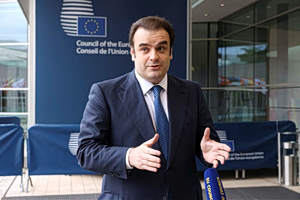
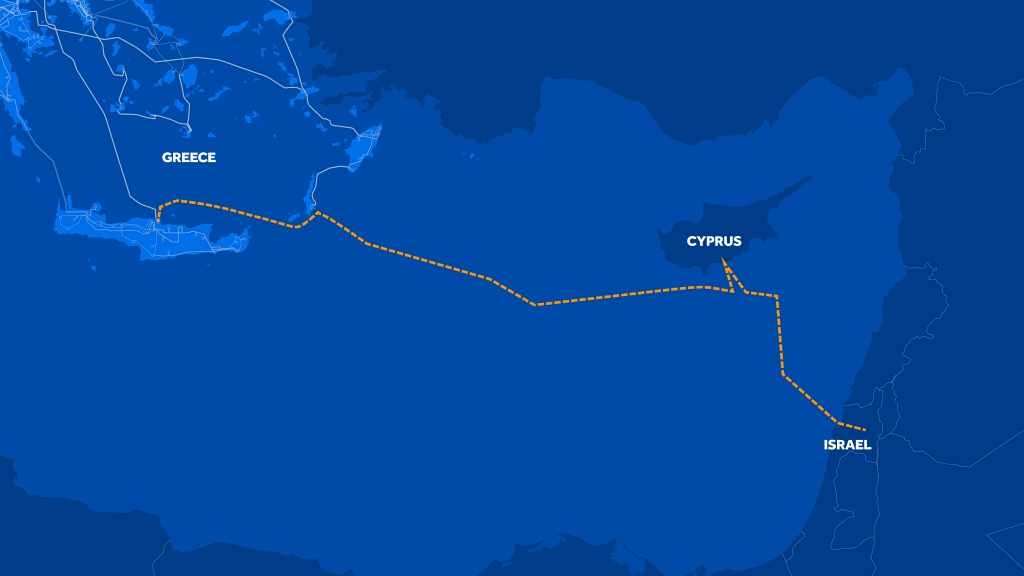
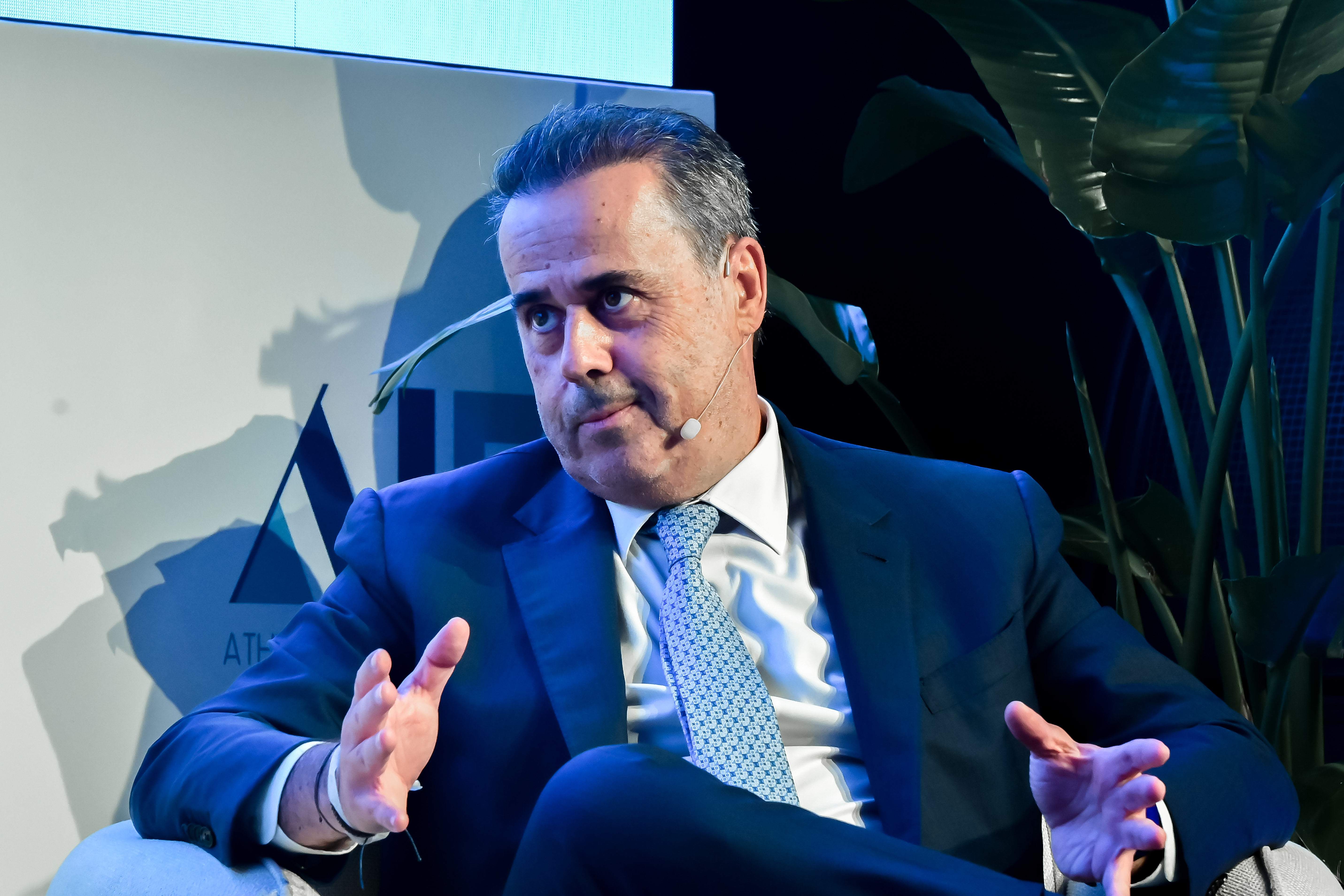
“Turkey had explicitly stated that permission was required for the electricity interconnection with Cyprus, although international law imposes no such requirement. Greece is the only country that has granted permission, and any notification by France cannot be considered, directly or indirectly, a request for permission,” Greek Environment and Energy Minister Stavros Papastavrou said Monday. Speaking to MegaNews radio, Papastavrou added that the Greek government was proceeding “with a plan and confidence, in accordance with international law and without fanfare.”
Asked whether the United States had intervened with Turkey over the Great Sea Interconnector (GSI), Papastavrou pointed to the East Med Act, noting that the legislation has support from both Republicans and Democrats and places energy interconnections at its core.
Regarding Turkey’s reactions to the project, he said that each country has different considerations, authorities and approaches to handling such matters.
EU Support for the Great Sea Interconnector
Papastavrou noted that the Greece-Cyprus electricity interconnection is one of eight priority projects for the European Union, which is also providing substantial funding.
He also warned that high energy costs could undermine public confidence in the EU. “Energy costs threaten the legitimacy of the European project. European solutions are needed. Otherwise, European citizens will believe that everything is being done for the elites and that the needs of households are being ignored,” he said.
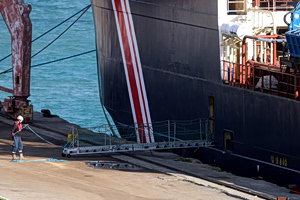
Meanwhile, technical preparations are continuing aboard the French-flagged Abeille Marengo ahead of its departure from Heraklion, Crete, to resume seabed surveys for the interconnection project.
US Policy on Russian Gas
Papastavrou also addressed questions about a possible shift in US policy toward the Vertical Corridor, a route for supplying southeastern Europe with natural gas through Greece. He said Washington’s policy of reducing dependence on Russian natural gas enjoys bipartisan support and recalled the EU’s decision to end its reliance on Russian gas by the end of 2027. “You cannot help the defender while simultaneously financing the aggressor,” he said.
On the possibility of Russian energy resources returning to the European market, Papastavrou said the question was not necessarily one of permanent exclusion. The issue, he said, was when that might happen and how to prevent energy supplies from being used as leverage or creating conditions for blackmail.