 Μake us preferred on Google
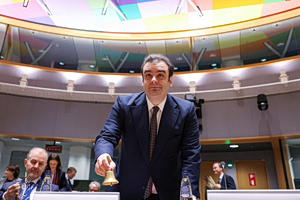
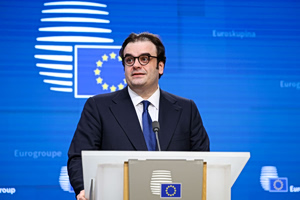
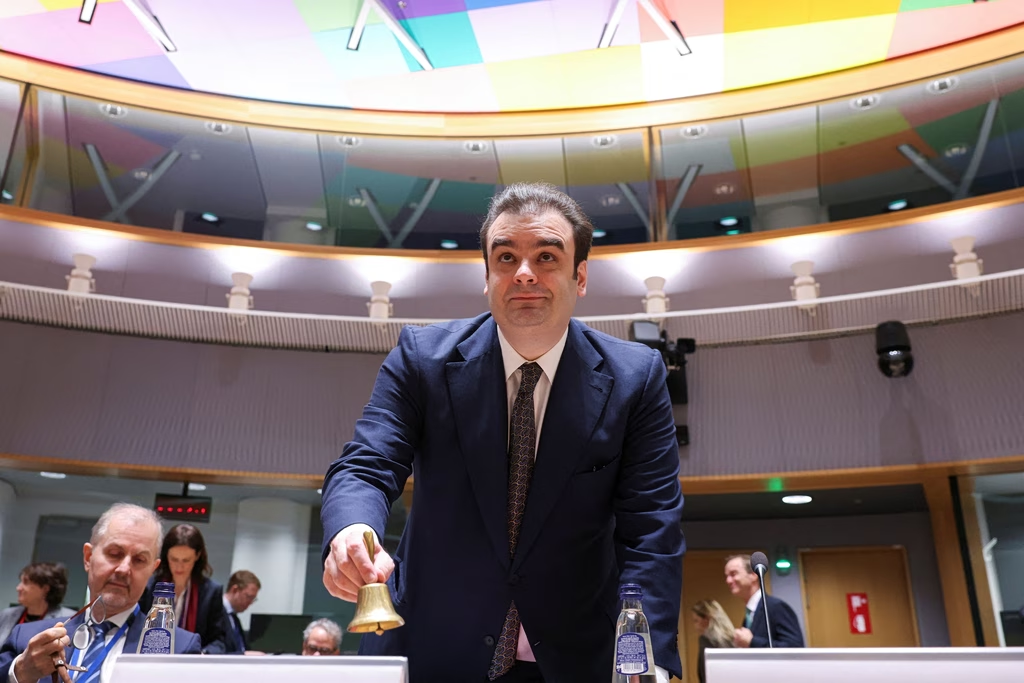
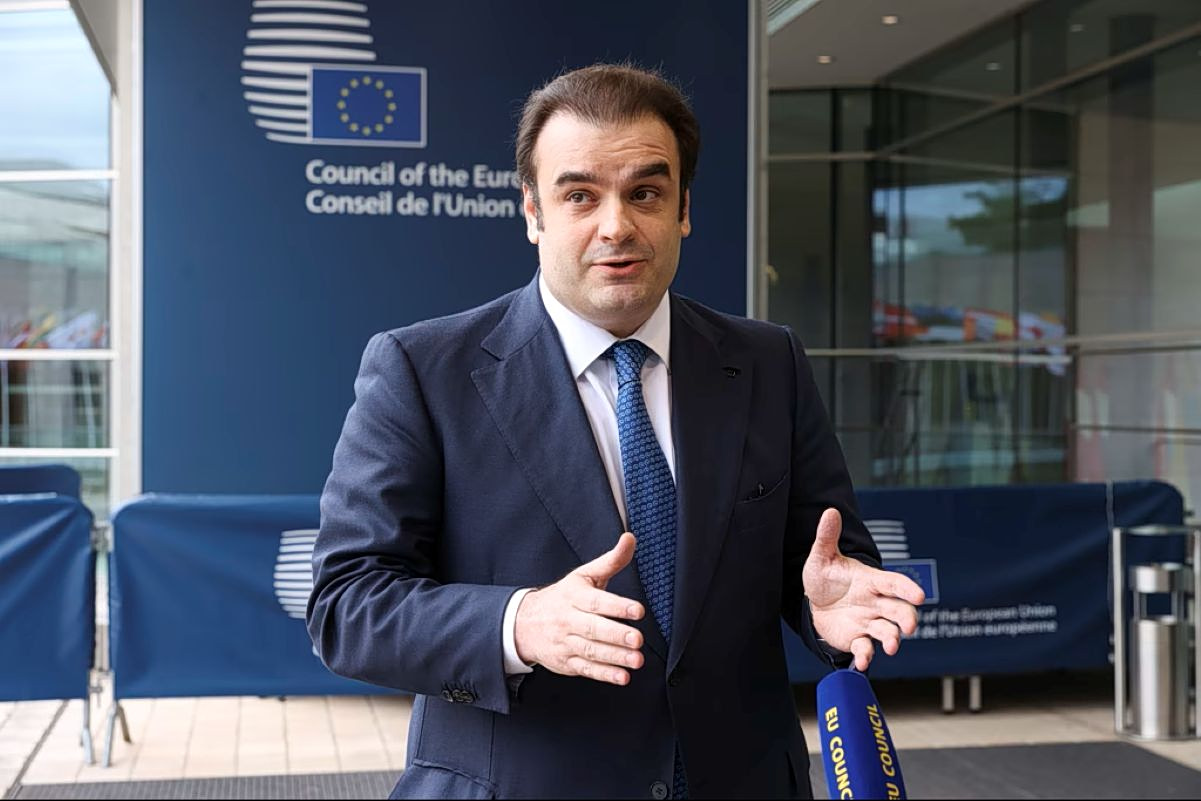
Eurogroup President Kyriakos Pierrakakis outlined the agenda for Monday’s meeting of eurozone finance ministers as he arrived for the session.
Asked about today’s discussion on European defense, which NATO Secretary General Mark Rutte will attend, Pierrakakis said ministers were “honored” to welcome him. He explained that defense has become a priority precisely because the Eurogroup is focused on the quality of public budgets and public spending as a whole.
“We are facing mounting pressures, higher inflation, rising borrowing costs and greater public spending needs,” he said. “The quality of public finances is therefore a priority for the Eurogroup, and in that sense it makes perfect sense to prioritize defense spending.”
Pierrakakis noted that the national escape clause had already been activated, allowing many member states to increase their military budgets. While some countries were already spending substantial amounts and others were not, he said there was now a shared understanding that more needs to be done.
The broader debate, he added, would therefore turn to spillover effects, economies of scale and the potential of joint procurement. “The key words here are European cooperation and European synergies,” he said.
Asked whether any announcements on common financing instruments were expected, he said the focus today would be on the benefits of joint coordination and, above all, joint procurement. More broadly, he argued, Europe must be able to achieve more with fewer resources, given the growing strain on national budgets and the wider shifts in the global environment. In an era of more expensive capital, high inflation and rising spending needs, governments must be able to tackle many challenges at once. “Doing more with less: that is our motto,” he said.
Succession at the ECB
On the race to lead the European Central Bank, Pierrakakis said the two declared candidates, Spain’s Pablo Hernández de Cos and the Netherlands’ Klaas Knot, would be presented today, ahead of Friday’s nomination deadline. He stressed that the decision has traditionally been taken by the leaders, but that the Eurogroup would do what it could to help, with the aim of completing the process by year’s end. “The timeline is tight, and we are aware of that,” he said.