 Μake us preferred on Google
 New rules are changing what students can buy from school cafeterias in Greece, removing processed meats, soft drinks and energy drinks while expanding the range of foods considered healthier options.
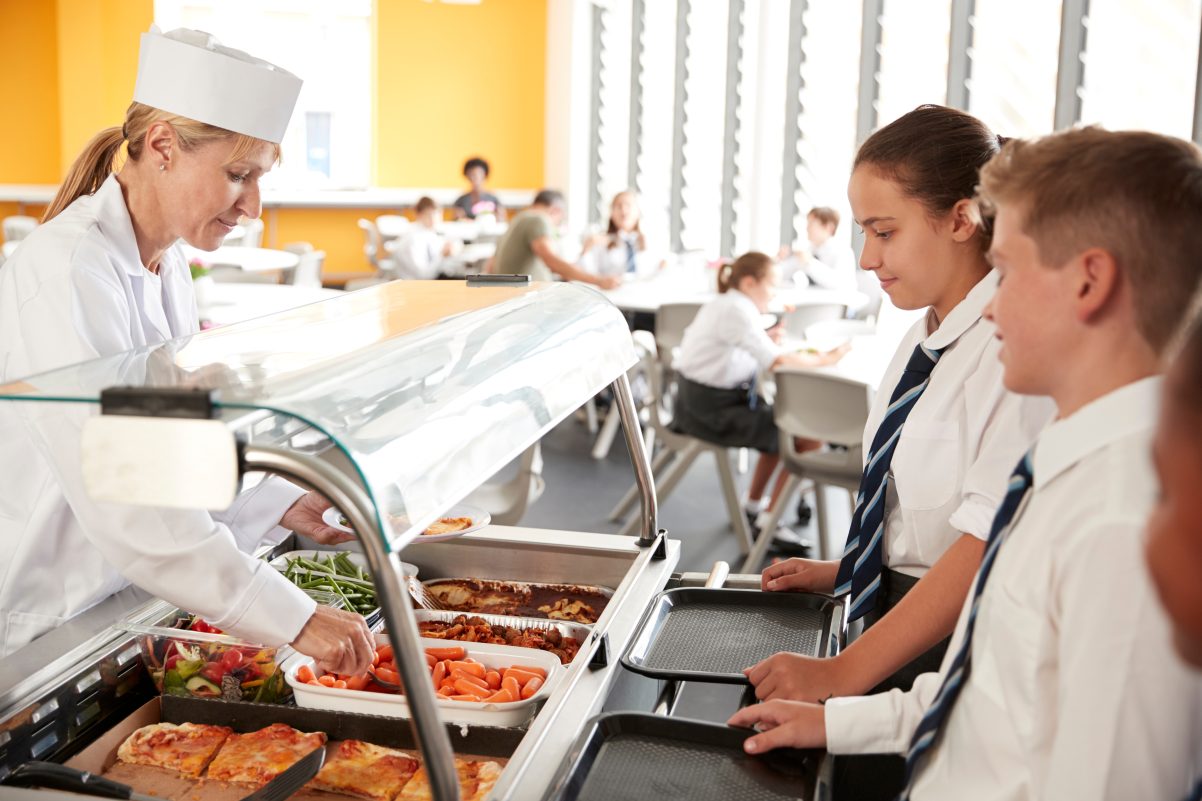
The regulations introduced by the Ministry of Health apply to school cafeterias and vending machines operating inside schools. The changes are intended to make schools not only places of education but also environments where children develop healthier eating habits from an early age.
What students can buy
School cafeterias can offer fresh fruits and vegetables, fruit salads, dried fruit without added sugar, milk, yogurt, kefir and ayran, a yogurt-based drink.
Other permitted options include koulouri, a Greek sesame bread ring, breadsticks, crackers, rusks, cereal bars and cookies, subject to specific requirements for sugar and fat content. The ministry recommends choosing whole-grain products whenever possible.
For a more filling snack, students can have bread, pita or tortillas with cheese, boiled chicken or turkey, eggs, tuna, pitted olives and fresh vegetables.
Cheese pies, vegetable pies, cheese bread rings and pizza without processed meat are also allowed. Sandwiches and toast can be prepared directly in the school cafeteria.
Processed meats removed from the menu
One of the most significant changes is the removal of processed meats from school cafeterias.
Ham, bacon, pariza, mortadella, sausages and other processed meat products are no longer allowed.
Prepared meat products such as gyros, souvlaki, schnitzel, burgers, kebabs and chicken nuggets are also prohibited.
The restrictions extend to pastries containing processed meats, such as sausage pies and ham-and-cheese pies, as well as pizzas topped with processed meats.
Soft drinks and energy drinks are also excluded from the school cafeteria menu.
Coffee restricted to school staff
Students in middle and high schools can purchase certain unsweetened herbal beverages, including chamomile, sage and Greek mountain tea.
Coffee, however, is permitted only for school staff.
Students can also be offered natural fruit or vegetable juices without added sugar, packaged natural juices without preservatives and plant-based drinks such as almond or oat beverages, provided they contain no added sugars.
Special rules for younger children
Primary schools have additional restrictions aimed at reducing the risk of choking.
Small round fruits such as grapes and cherries, as well as nuts, cannot be offered in school cafeterias. Cafeteria operators must also take into account the characteristics of foods that could increase the risk of choking among younger children.
Stricter food safety requirements
The new rules also establish requirements for how food is prepared, stored and served.
Cafeteria and food-service workers must receive appropriate training and follow strict personal hygiene rules. These include regular handwashing, wearing a clean apron, covering wounds and staying away from work when experiencing symptoms such as fever, diarrhea or vomiting.
Food storage temperatures are also regulated. Milk, yogurt, cheese and sandwiches must be kept below 5 degrees Celsius (41 degrees Fahrenheit), while hot foods must be maintained above 60 C (140 F).
In schools where students remain for the full school day, meals brought from home must be stored in refrigerators at 0 to 4 C (32 to 39 F). If the food is intended to be eaten hot, it must be reheated until the center reaches 74 C (165 F) for at least 15 seconds.
Rules take effect with the new school year
The new framework is already in effect, with the relevant authorities required to take the necessary steps to ensure schools comply with the new standards as the academic year begins.
Regular and unannounced health inspections will also be carried out at school cafeterias, food-service areas and vending machines.
The result is a significantly different selection for students looking for a snack at school, with the new rules placing greater emphasis on foods considered to have a better nutritional profile.