 Μake us preferred on Google
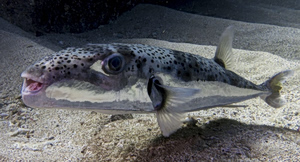
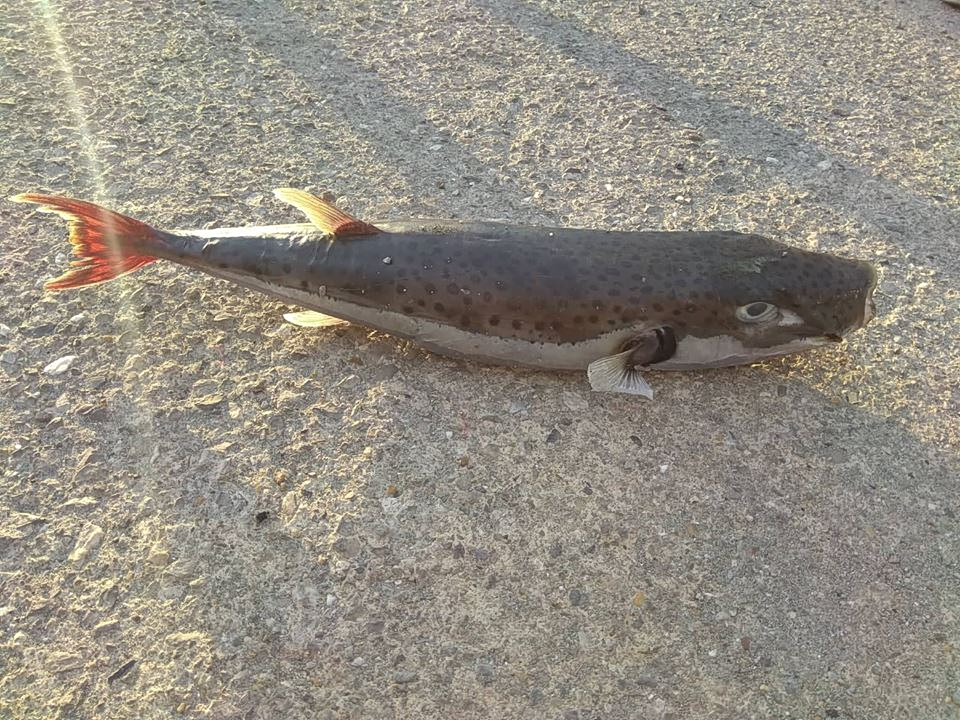
 The invasive pufferfish known as the lagocephalus sceleratus, is continuing to expand its presence in Greek waters, creating growing challenges for fishermen and raising concerns about its impact on marine ecosystems.
The species, which entered the Mediterranean through the Suez Canal, has now adapted fully to its new environment and has spread from southern Greek waters, including Crete and the Dodecanese islands, to northern parts of the country.
Fishermen say the fish is causing significant damage to professional fishing equipment, while scientists warn that its increasing population is affecting other marine species.
Damage to fisheries and marine life
Pufferfish are known for their powerful teeth, which can tear fishing nets and damage equipment such as longlines, buoys and other fishing tools.
NEWSLETTER TABLE TALK
Never miss a story.
Subscribe now.
The most important news & topics every week in your inbox.
“The fish tear nets, destroy fishing equipment and cause damage,” said Panagiotis Perrakis, president of a fishermen’s association in Volos. He also warned that the species is increasingly moving into shallow waters, raising concerns for both residents and tourists.
Researchers say the impact goes beyond fishing. According to Paraskevi Karachle, research director at the Hellenic Centre for Marine Research (HCMR), pufferfish can grow up to 13 kilograms and have been linked to reported incidents involving swimmers.
The species is considered a major threat to local ecosystems because it feeds on other marine animals. Fishermen have reported that in areas where pufferfish populations have increased significantly, some species, such as octopus, have become much less common.
Concerns for swimmers and tourists
Although the main damage so far has been linked to fisheries and biodiversity, concerns are growing because pufferfish can approach shallow coastal waters and may bite objects or animals that come close.
Experts explain that the fish’s name is linked to its appearance: the scientific name “Lagocephalus” relates to the Greek word “lagos,” meaning rabbit, referring to its distinctive front teeth — two upper and two lower teeth that resemble those of a rabbit.
Scientists have emphasized that the species is highly adaptable and reproduces quickly, making its management increasingly difficult.
Fishing authorities in the regions most affected, particularly Crete and the Dodecanese, have begun discussions with fishermen and marine researchers to find solutions.
Meetings have been held with the relevant government authorities with the aim of launching a pilot program similar to one already implemented in Cyprus.
In Cyprus, fishermen have for years received compensation based on the weight of captured pufferfish, helping reduce their numbers.