 Μake us preferred on Google
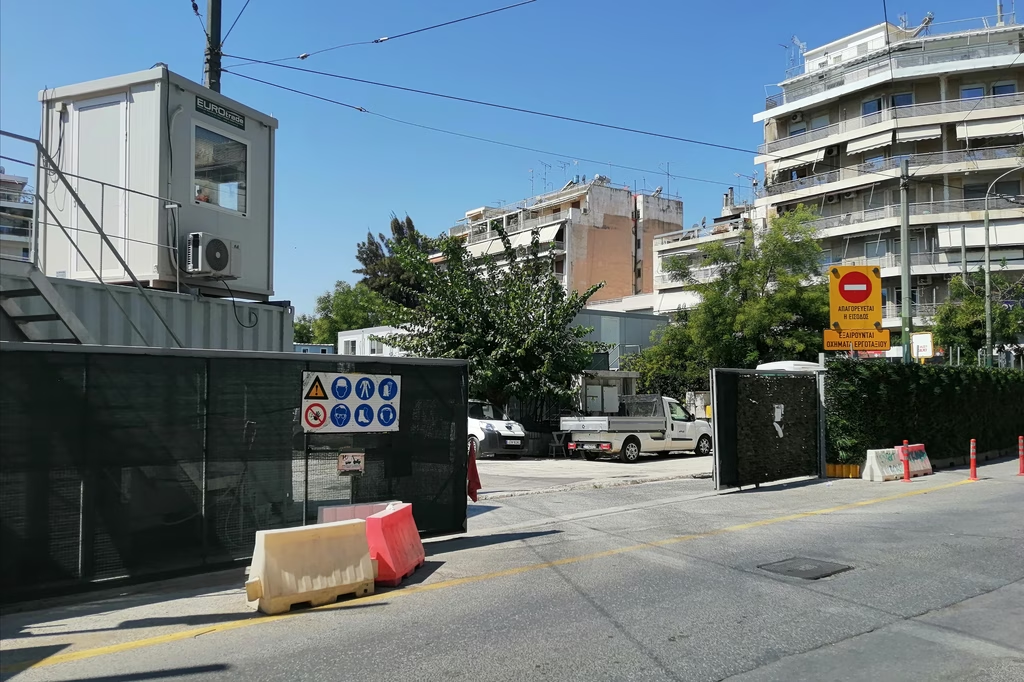
 Greek Metro has ordered inspections of at least 20 apartment buildings in Athens’ Kypseli neighborhood that sustained damage during construction of Metro Line 4.
The decision to commission the assessment through the Technical Chamber of Greece was published on the government’s Diavgeia transparency platform on September 1. The review will examine buildings located within the project’s zone of influence where cracks and other problems have emerged.
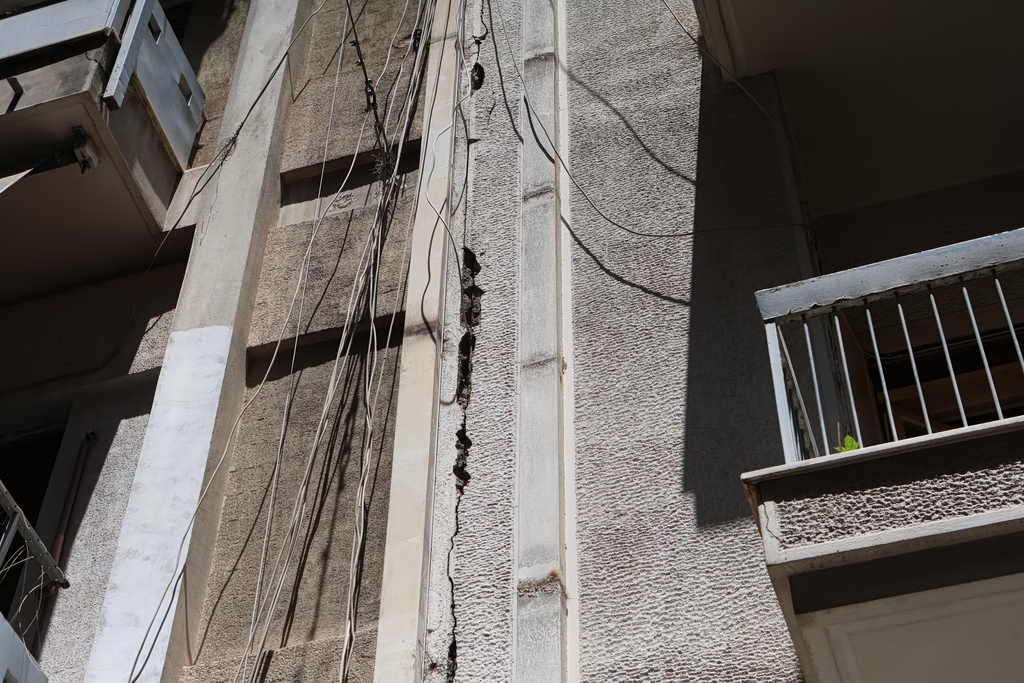
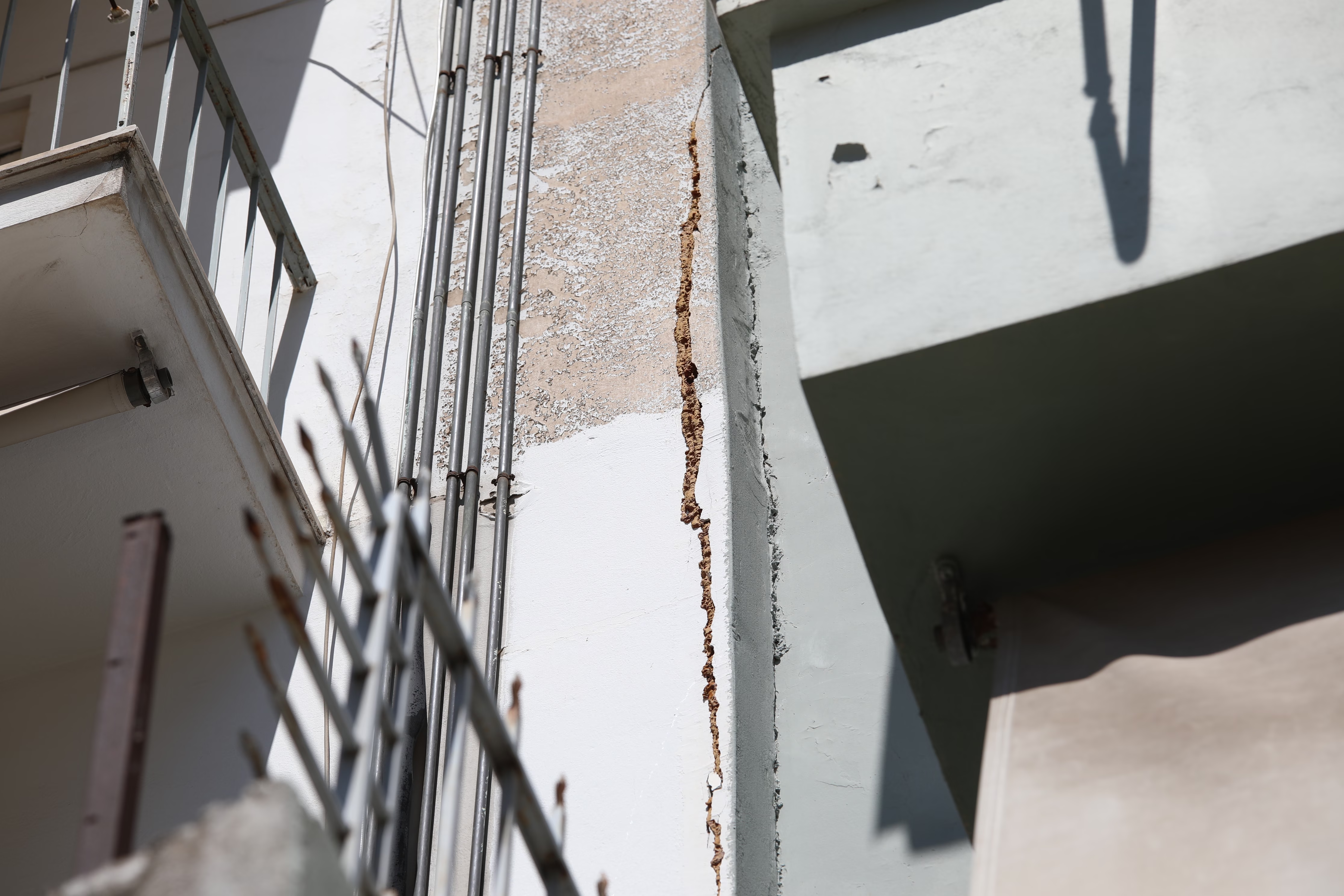
According to the decision, the buildings have mainly developed fine cracks in infill walls, as well as difficulties operating some apartment and common-area doors and windows.
The assessment will also determine the extent and severity of the damage in relation to the buildings’ structural capacity, functionality and safety, and will include proposals for technical repairs.
Greek Metro said responsibility for restoring the damage lies exclusively with the contractor. The cost of the expert assessment will be covered entirely by Greek Metro’s own funds.
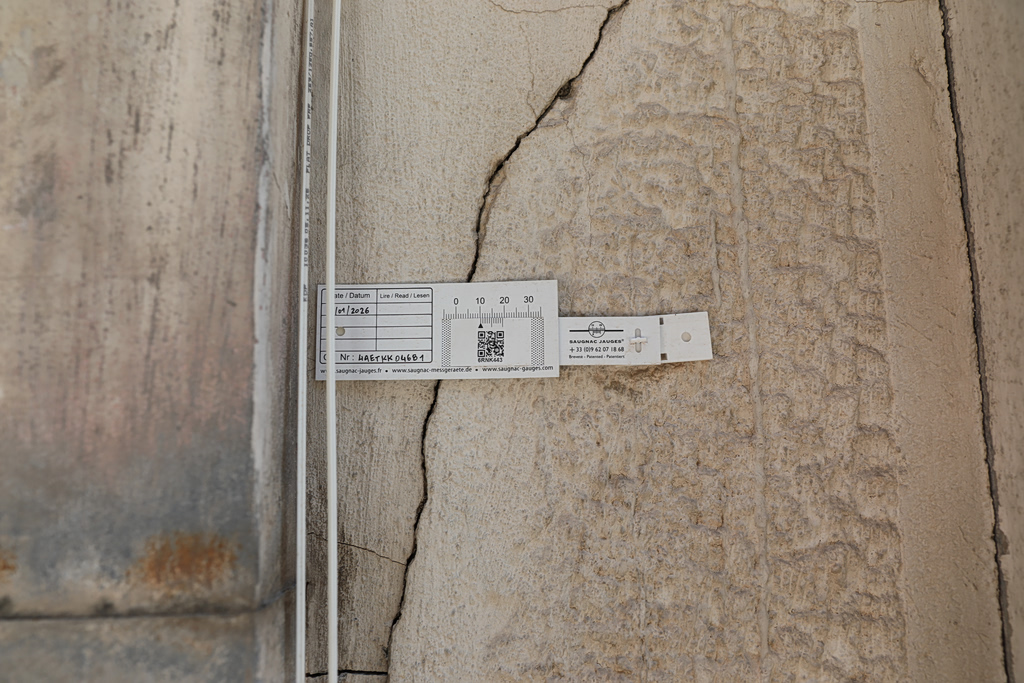
Cracks appearing in apartment buildings in Kypseli, in the area surrounding the construction site for the extension of Metro Line 4. Thursday, July 16, 2026. (Danae Davlopoulou / Eurokinissi)
Early assessments identify “yellow” and “red” buildings
The Metro has so far provided the Municipality of Athens with information on only 14 apartment buildings, following a request from Mayor Haris Doukas. Residents, however, say many more buildings have been affected.
Early assessments by experts, previously reported by To Vima, identified two “red” buildings and several “yellow” buildings on Spetses Street.
The classification refers to the condition and safety of the buildings, with “red” indicating more serious concerns than “yellow.”
At a residents’ meeting attended by Doukas, two technical advisers appointed with the municipality’s assistance presented their initial findings.
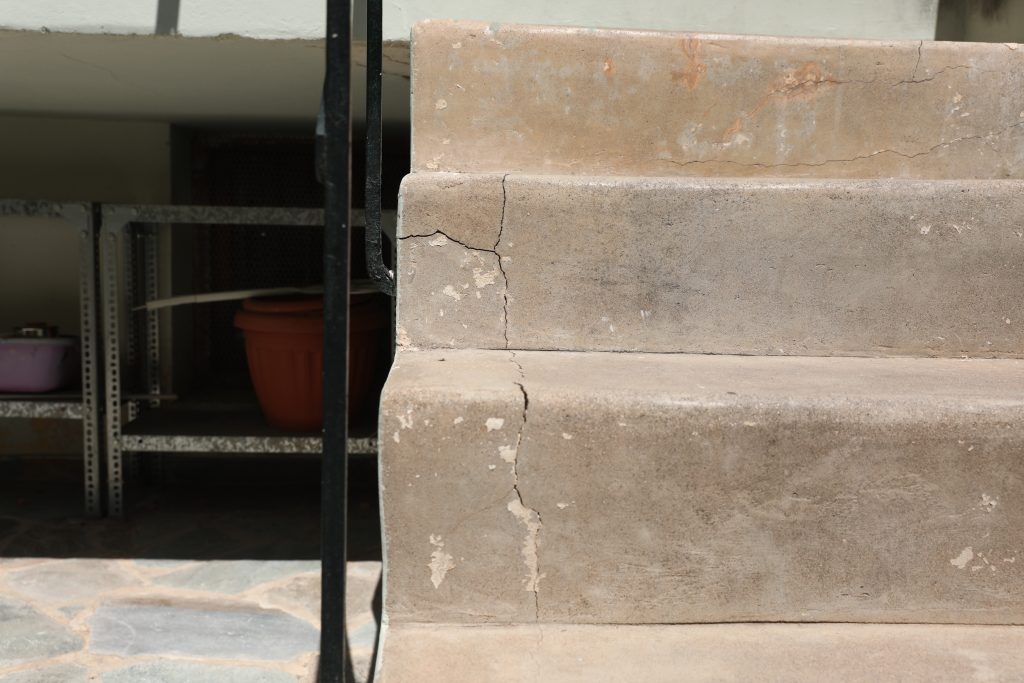
Cracks appearing in apartment buildings in Kypseli, in the area surrounding the construction site for the extension of Metro Line 4. Thursday, July 16, 2026. (Danae Davlopoulou / Eurokinissi)
“The results so far are incomplete and not reassuring,” Doukas said, calling for additional data and a detailed study of how the tunnel boring machine could safely resume operations.
He said cracks and subsidence appeared to have increased the risk level of some buildings.
“The buildings are not ‘green’ as they were before the tunnel boring machine passed. Some are ‘yellow’ and some are ‘red’,” Doukas said, adding that the company should bear the full cost of repairs and that all affected homes should be restored to a “green” status.
Experts raise concerns over subsidence
Dimitrios Kaliampakos, a mining engineer and professor at the National Technical University of Athens with extensive experience in underground construction, said the initial findings point to significant discrepancies between earlier estimates and the actual level of subsidence.
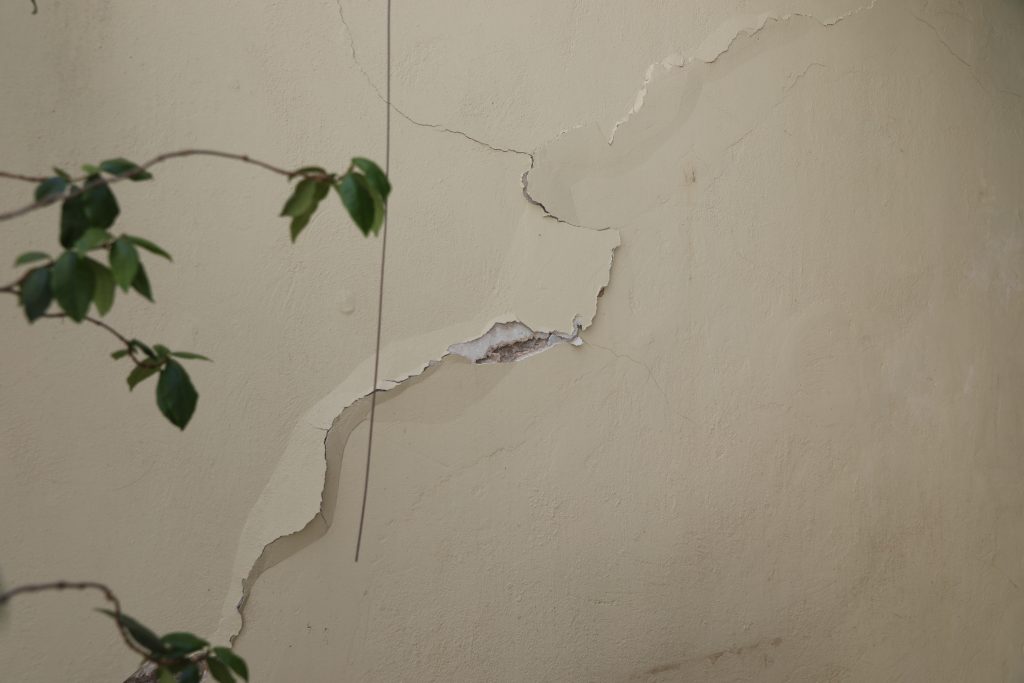
Cracks appearing in apartment buildings in Kypseli, in the area surrounding the construction site for the extension of Metro Line 4. Thursday, July 16, 2026. (Danae Davlopoulou / Eurokinissi)
“They assumed that the subsidence was in the range of 5, 6 and 7 millimeters. It turns out, however, that it reaches 20, 40 and even 50 millimeters. This is a major failure,” Kaliampakos said.
He also said the available evidence indicates that serious damage occurred to buildings during the construction work, with some moving from the “green” category into the “yellow” and “red” categories.
Kaliampakos said Greek Metro initially assessed all the buildings as “green” but that some changed classification after damage emerged.
He also questioned statements that there were no apparent problems with the structural framework of some buildings while acknowledging that problems had been identified in others.
According to Kaliampakos, Greek Metro should not have continued work while “yellow” buildings were present and should have taken measures from the outset to return all structures to a “green” condition.
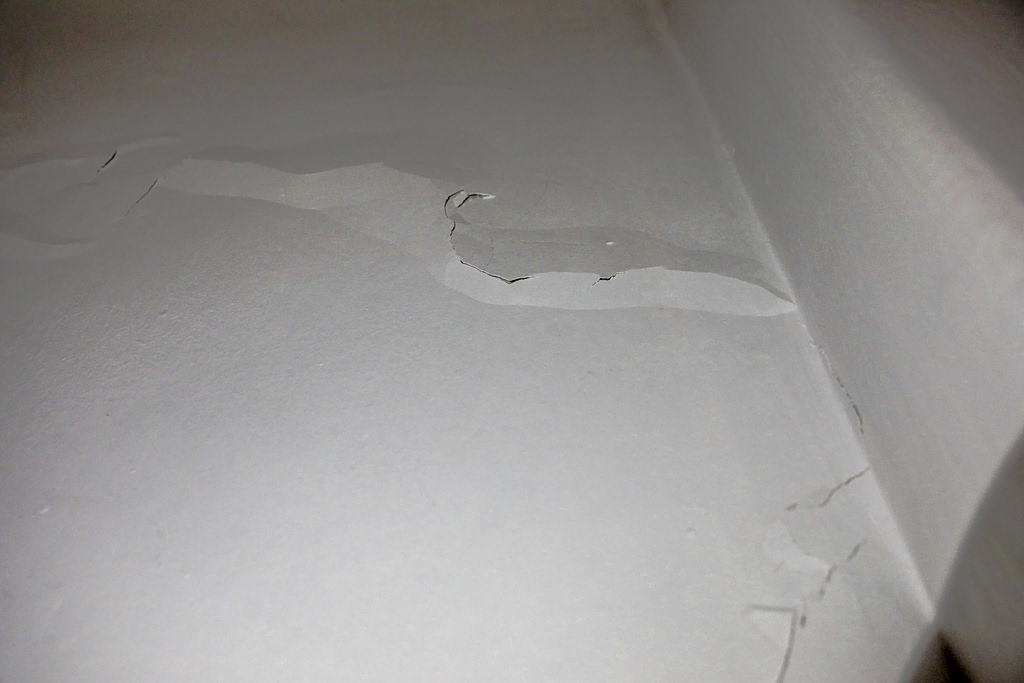
Cracks appearing in apartment buildings in Kypseli, in the area surrounding the construction site for the extension of Metro Line 4. Thursday, July 16, 2026. (Danae Davlopoulou / Eurokinissi)
He also criticized the company for not yet answering which buildings could be at risk in the event of an earthquake.
Engineer warns of reduced structural strength
Structural engineer Nikolaos Krasakis also raised concerns about the effects of differential subsidence.
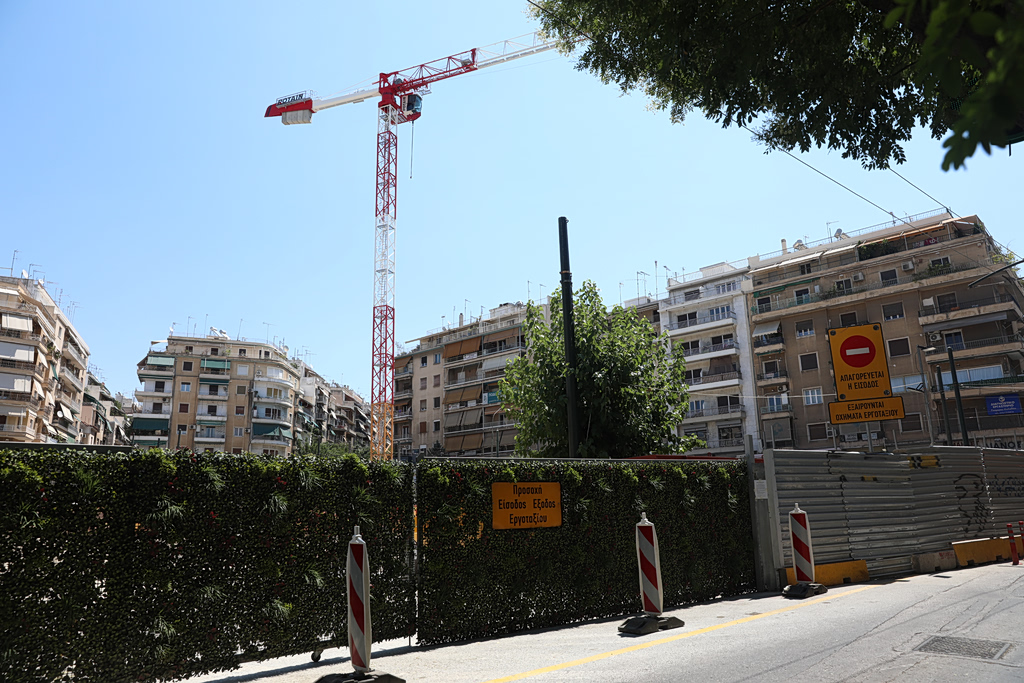
Cracks appearing in apartment buildings in Kypseli, in the area surrounding the construction site for the extension of Metro Line 4. Thursday, July 16, 2026. (Danae Davlopoulou / Eurokinissi)
“The fact that there are differential settlements means that the building has residual stress, which places strain on the structure,” Krasakis said.
He warned that a potential earthquake could add further stress to structures already under strain, meaning that they would not have the same strength they had before.