 Μake us preferred on Google
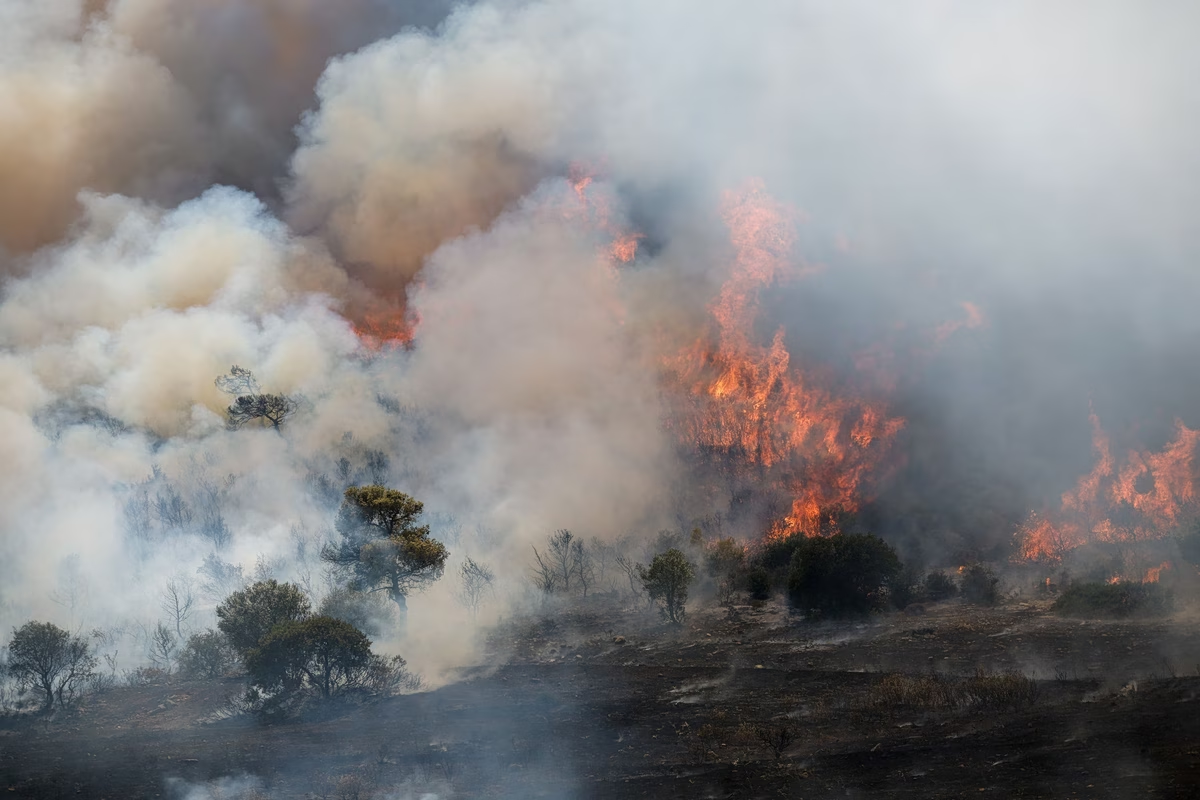
 The peak of the fire season finds Europe already badly hit by forest fires. According to a Financial Times analysis, the economic losses already suffered by the five countries hit hardest by fires and heatwaves (France, Spain, Portugal, Greece, and Romania) have topped 3.1 billion euros. That is a staggering figure, far above the European Commission’s estimate of an average annual EU-wide impact of 2.5 billion euros.
While experts debate the exact size of the bill, a new analysis published by the World Economic Forum (WEF) focuses instead on who will pay the heaviest price for these fires.
Working with the Environmental Defense Fund, the WEF breaks down the effects of wildfires into three main categories: health, safety and equity; the economy; and ecosystems and biodiversity.
The analysis also looks at ways to prevent and respond to wildfires, focusing on risk reduction and resilience, fire intelligence systems, governance, and strategic planning. A common thread running through all these areas is that the negative effects of wildfires are not distributed evenly. They disproportionately hit poorer countries and, within them, the most vulnerable communities.
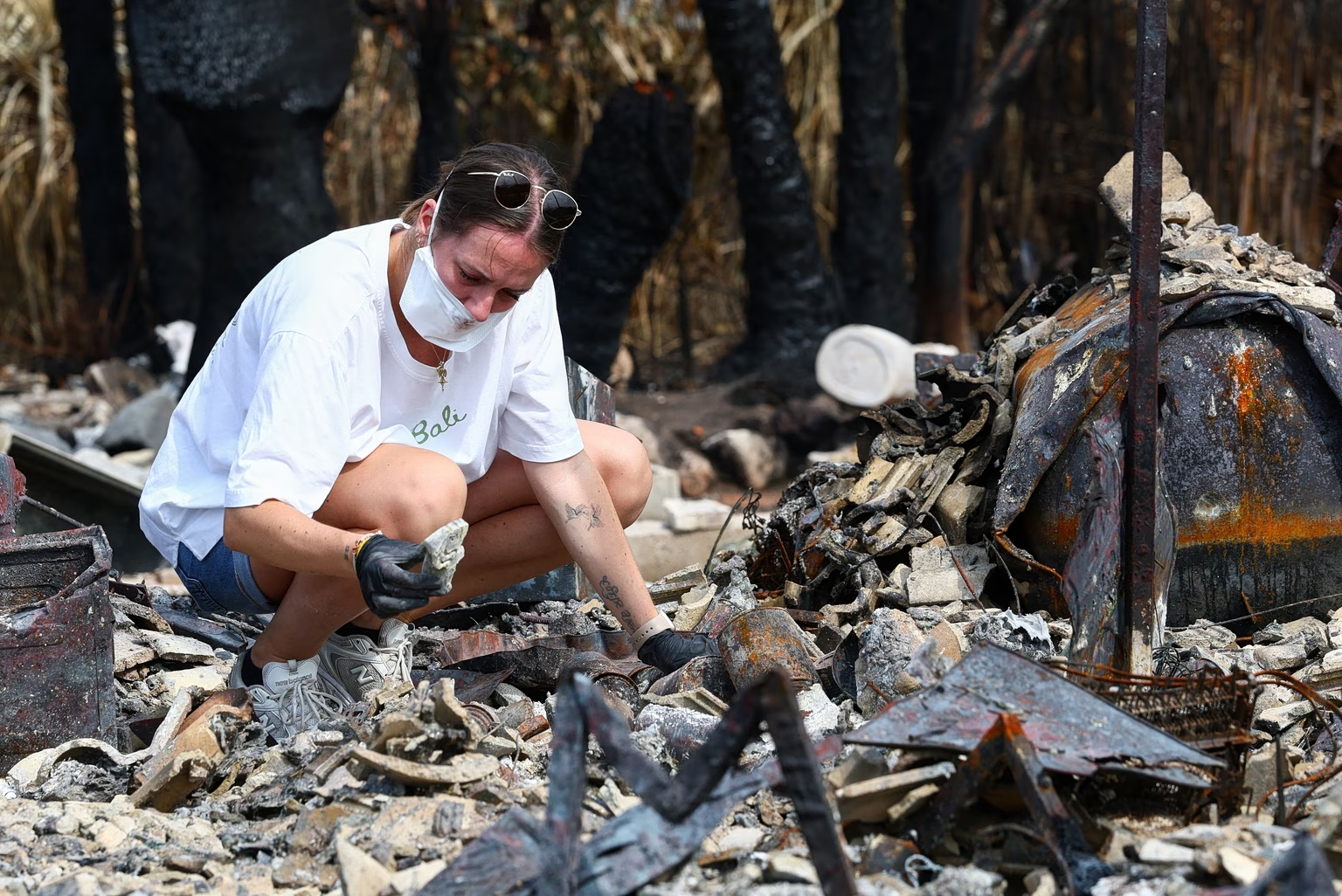
A resident of the village of Le Porge in southern France looks at what remains of her parents’ home after the wildfire. — Reuters / Yves Herman
Wildfires as a public health threat
The WEF starts from the premise that this year’s severe fires in the Iberian Peninsula and southwestern France have triggered “a public health emergency that extends well beyond the directly affected areas.”
Satellite data shows that smoke and toxic pollutants are spreading thousands of kilometers across Europe. Fine particles and formaldehyde raise the risk of respiratory, cardiovascular, and mental health problems, hitting vulnerable groups the hardest.
The crisis highlights the need for climate-resilient health systems, stronger air quality monitoring, and more effective early warning systems, the report notes.
The findings apply directly to Greece as well, since the air and environmental toll from the fires extends well beyond the burn zones.
The poor are hit twice by wildfires
Wildfires are a growing global threat to human health, fueled by climate change, land degradation, and expanding development into fragile ecosystems. Vulnerable communities often bear the brunt of the damage, facing both immediate dangers and long-term consequences, while having fewer resources and less support to recover.
Wildfire smoke contains fine particles known as PM2.5, which can penetrate deep into the lungs and bloodstream, worsening asthma, cardiovascular disease, and other chronic conditions.
The health effects are even more severe for people who already live in areas with poor air quality, limited access to healthcare, and pre-existing conditions. It’s a triple threat that hits low-income populations, rural areas, and marginalized communities hardest.
Studies have estimated that outdoor fires (forest fires, fires near urban areas, and so on) contribute to as many as 1.59 million premature deaths worldwide each year. More than 90% of all deaths attributed to them occurred in low- and middle-income countries.
Respiratory crises among children and the elderly
Globally, the unequal distribution of wildfire impacts is clear in tropical forest regions, where burning and clearing practices, agricultural expansion, and land ownership disputes contribute to uncontrolled fires.
Smoke from peat fires (underground, extremely slow-burning fires in wetland peat bogs) and forest fires regularly triggers respiratory crises, school closures, and sharp spikes in hospital admissions, disproportionately affecting children, the elderly, and low-income families living near or within forests.
Inequality is getting worse
In addition, vulnerable communities are often left out of the governance structures that shape wildfire prevention and response strategies. This leads to decisions that ignore local realities, such as traditional fire management knowledge or the need for culturally appropriate emergency response.
As a result, recovery is slower and more traumatic, deepening cycles of inequality and vulnerability.
Fire information systems need to be adapted to serve those most at risk, while policies must prioritize early warning systems, clean-air shelters, and recovery assistance for populations without adequate access to services.
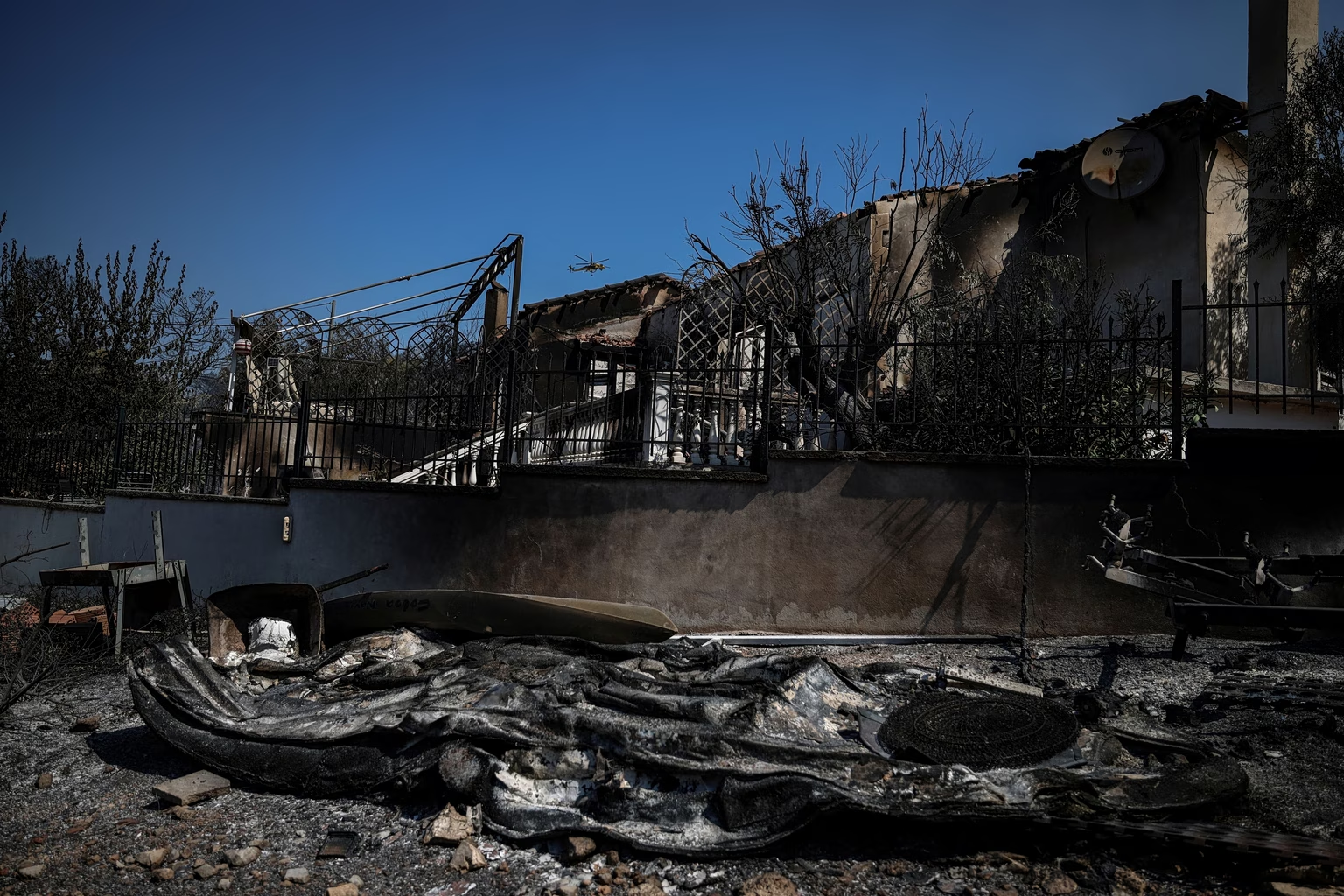
A burned house in Psatha, Western Attica – Reuters /Louisa Gouliamaki
The immediate economic cost of wildfires
Wildfires carry enormous short- and long-term economic risks, causing damage to human lives, property, infrastructure, and natural resources. Responding to wildfires is costly and is often only done after disaster strikes, the WEF analysis acknowledges, due to a persistent lack of investment in preventive planning in many countries.
The report cites recent historical examples to show just how large the direct economic toll alone can be: Portugal’s 2017 fires cost the government about 1.5 billion euros in response spending and damages. Health costs alone linked to smoke from Australia’s 2019-2020 “Black Summer” fires in the east of the country were estimated at roughly 1.95 billion Australian dollars (1.2 billion euros).
Economists estimate that property losses from the 2025 wildfires in Los Angeles County in the U.S. could exceed 100 billion dollars (86.8 billion euros).
What this means for Europe
The WEF analysis doesn’t include the cost of this year’s fires in Europe. According to climate economics expert Sarah Mayer of ETH Zurich, though, the toll could end up more than triple the average annual GDP losses of 2.1 billion euros that the economies of Portugal, Spain, Italy, and Greece combined suffered from wildfires between 2011 and 2018. “If fires end up reaching cities, the final tally will be incomparably higher,” the expert told the FT. That means costs could exceed 6.3 billion euros.
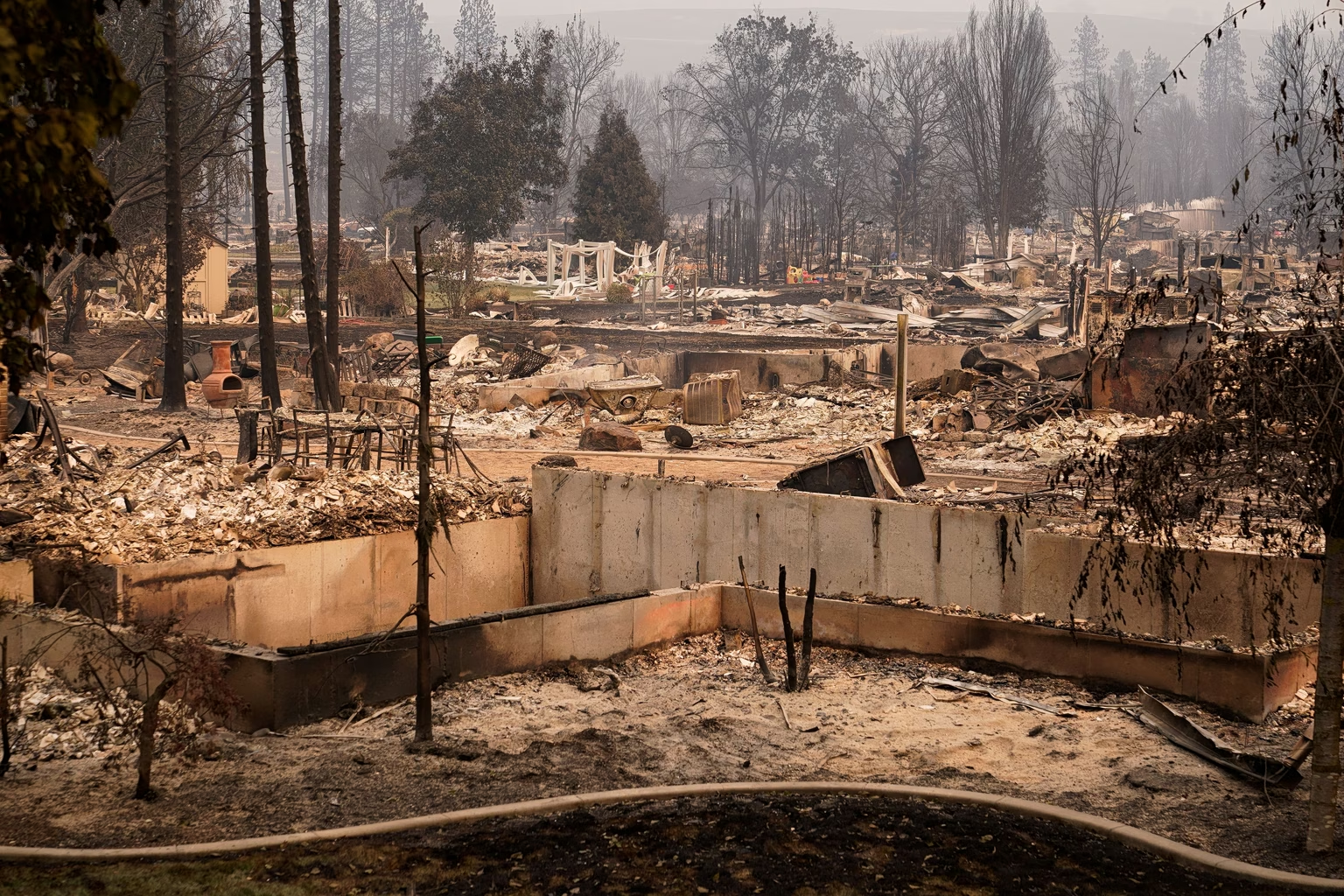
The Old Trails Fire wildfire in Spokane, Washington, burned entire neighborhoods to the ground. — Reuters / David Ryder
Long-term risks
The estimates above capture only a fraction of the global economic burden and consequences of wildfires.
Sectors that provide critical services, such as insurance companies and electricity and water utilities, face rising costs due to wildfires, often passing the financial strain and risk on to the public.
Insurance premiums are rising in fire-prone areas, while some providers are pulling out of coverage entirely, leaving homes and businesses financially exposed.
Power companies, which may be held liable for fires caused by aging infrastructure, face rising costs for repairs or legal liability, driving up electricity bills for customers, the WEF notes.
Ripple effects
The economic impact has ripple effects. Property values may fall, industries may relocate, and residents in fire-affected areas may be displaced, triggering economic migration with long-term social consequences.
Globally, the economic impact is distributed unevenly. Lower-income countries, which have fewer resources for fire prevention, suppression, and recovery, face disproportionate losses.
“These countries often rely more heavily on natural resources, tourism, or agriculture for their livelihoods, which makes them especially vulnerable to the effects of landscape degradation,” the WEF states.