 Μake us preferred on Google
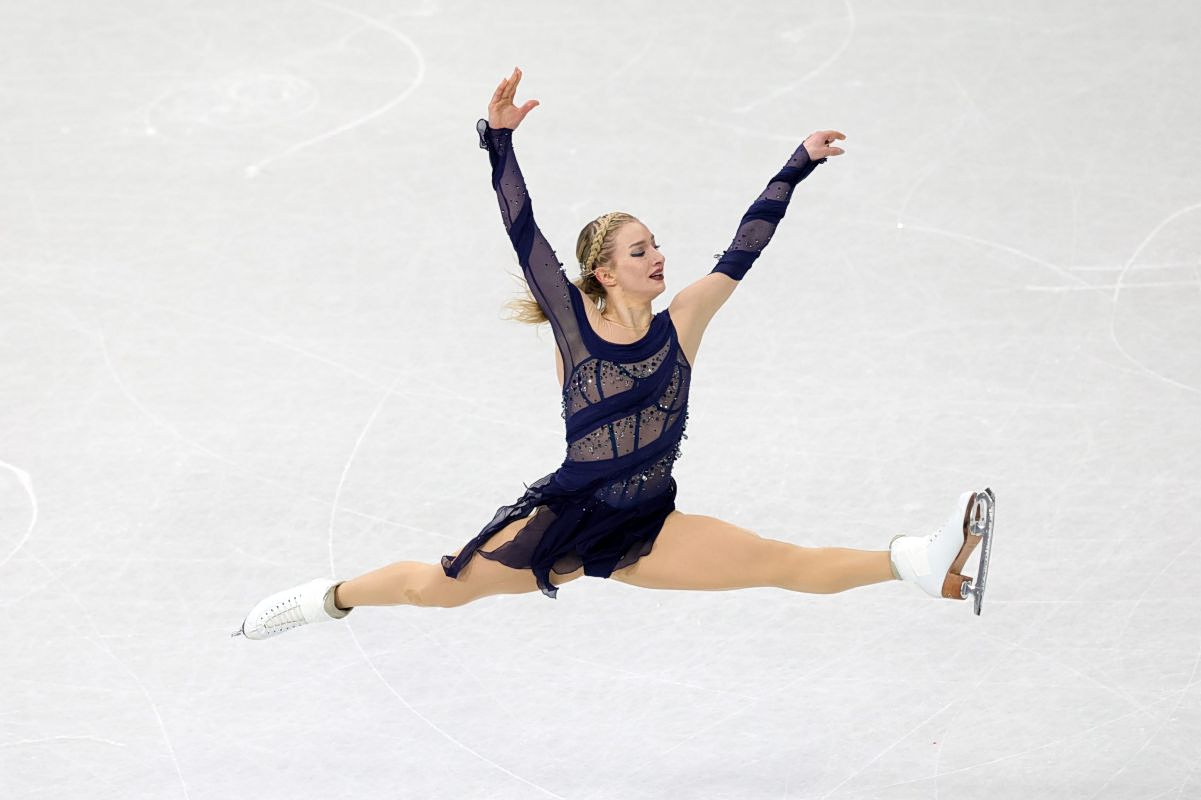
 In the world of elite sports, where the body is often treated purely as a tool for performance and perfection, natural bodily functions are frequently overlooked. Amber Glenn, one of the most dynamic figures in U.S. figure skating, has chosen to speak publicly about a reality many athletes hesitate to address: the challenges of performing at a high level during menstruation.
In an interview with France Télévisions, Glenn described the physical and mental demands of competing while on her period. She noted that figure skating is already an intensely demanding sport, and the tight, form-fitting costumes often exacerbate discomfort and stress during competitions.
The skater revealed that in one performance, a mistake during a critical move cost her points and ultimately denied her a medal. When asked to reflect on her performance, she did not offer excuses; instead, she spoke candidly about how her period affected her body and focus.
Menstruation remains largely a private or “taboo” topic in professional sports. Although hormonal fluctuations can influence energy, balance, endurance, and concentration, few female athletes speak publicly about the impact of their cycle on performance. Glenn’s openness is helping to break the stigma and encourage a more humane approach to high-performance athletics.
She told the outlet that competing during menstruation can be “very difficult and frightening” and can heighten emotional sensitivity, yet athletes are still expected to perform at their best. “It’s something that affects many women athletes, and I believe it needs to be talked about,” she said.
Her honesty resonated widely. Media coverage and public response framed her disclosure not as an excuse, but as an act of courage and transparency. Many female athletes and fans identified with her experience, while experts highlighted the need for greater awareness of women’s physiological realities in sports.
Amber Glenn has not only shifted the conversation around a single performance; with her public admission, she has illuminated a reality faced by countless athletes worldwide.