 Μake us preferred on Google
 Iran still controls its nuclear stockpiles, has demonstrated its missile capabilities, and continues to hold the Strait of Hormuz, through which roughly a fifth of the world’s oil passes as leverage. Hamas remains operational in Gaza, and Hezbollah keeps firing rockets into northern Israel from Lebanese territory.
Analysts are blunt about the outcome. One senior researcher at Israel’s Institute for National Security Studies described the campaign as a strategic failure, pointing to the wide gap between Netanyahu’s initial promises and what has actually been achieved on the ground.
A Political Price
Netanyahu’s approval ratings have dropped, from around 40% at the war’s outset to 34%, and with elections due by late October, the pressure is mounting. A recent Hebrew University survey found that only 1 in 10 Israelis considered the war a success, and more than half rated Netanyahu’s leadership as poor.
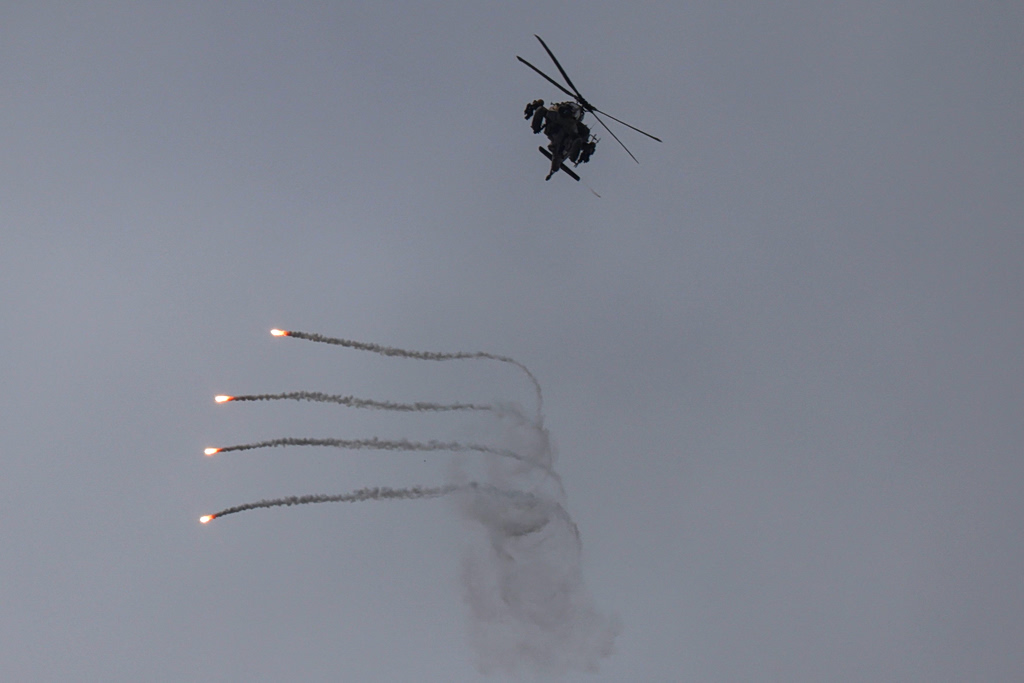
The campaign was built almost entirely on airpower, which produced tactical results but no clear endgame. Critics argue that eliminating Iranian commanders, including Supreme Leader Khamenei, has not destabilized the regime, since replacements quickly emerge. As one former Netanyahu adviser put it, such strikes “wake the bear, they don’t kill it.”
Netanyahu had promised at the outset that Iranians would rise up and overthrow their rulers. Israeli security officials are now increasingly doubtful that will happen anytime soon. Two Israeli officials told Reuters the original plan was to wrap up the operation in about three weeks, instead it has spiraled into a broader regional conflict costing Israel roughly $11.5 billion.
Sidelined on Ceasefire
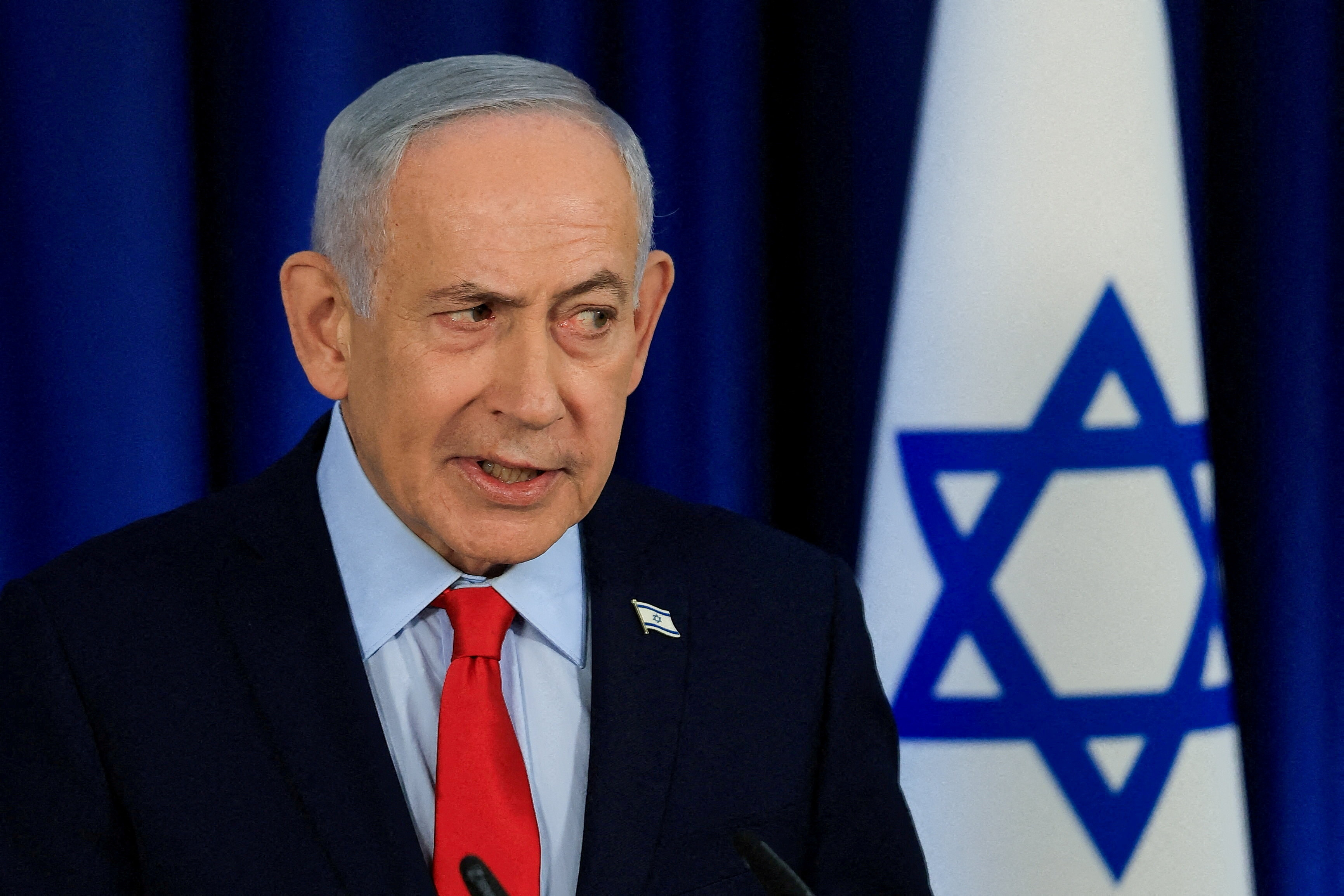
Netanyahu was reportedly informed of the Pakistan-brokered ceasefire deal only in its final stages, and was angered at being excluded from the process. He has since worked to push back against any impression that he was sidelined.
He has also launched a public relations offensive, insisting the war has produced historic gains — claiming Israel crushed Iran’s nuclear program, its missile capability, and its regime. Outside analysts dispute this framing.
A Deeper Dilemma
Regional diplomats suggest Netanyahu may actually resist any swift diplomatic resolution, fearing that a U.S.-Iran agreement would deepen his political troubles at home. In the meantime, Iran appears emboldened rather than broken, having demonstrated it can absorb a conflict with the United States and still threaten regional infrastructure. As one analyst put it, Iran’s grip on the Strait of Hormuz is not easily reversed.
The Gulf Arab states, meanwhile, may end up as the biggest casualties of the conflict, now facing a more hardened and bitter Iranian leadership on their doorstep.