On the north Cyclades island of Kea, also known as Tzia, Marcie Mayer is slowly getting ready for the acorns to fall.
By autumn, the ground beneath the island’s oaks will be scattered with them: heavy brown nuts held in rough, shaggy caps. Families used to gather those caps by the sackful and sell them for their tannins, which were used to tan leather and dye cloth. The work was seasonal, physical and as ordinary as gathering olives. No one needed to explain why the trees mattered.
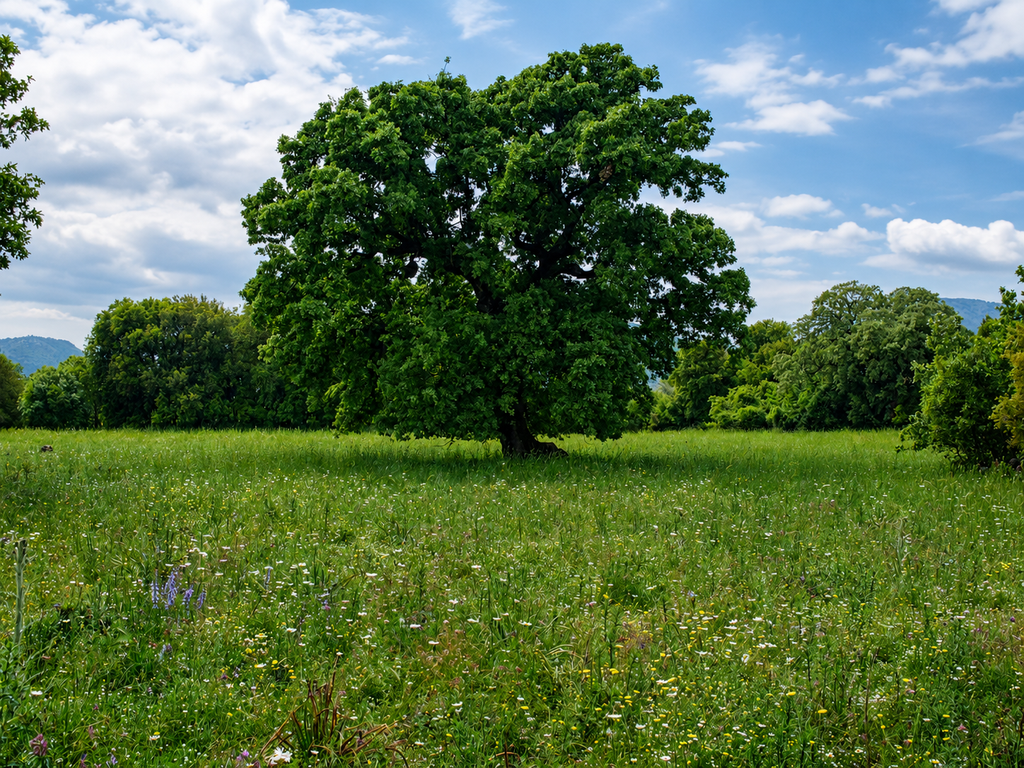
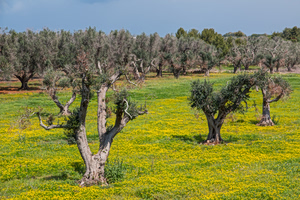
An image of a valonia oak tree.
Small nut, big story
The acorn trade survived on Kea until around 1965. Then synthetic dyes took over, the foreign buyers disappeared, and younger generations turned away from the harvest and towards tourism development. Trees that had once produced income began to look less like an asset and more like an impediment to building a second home.
Mayer has spent years trying to change that. She has helped farmers sell acorn caps abroad, persuaded landowners to let volunteers gather acorns on their property, and experimented with turning the nut itself into flour. Her acorn cookies are now sold as an artisanal island product, a small-scale reinvention of something Kea once knew well.
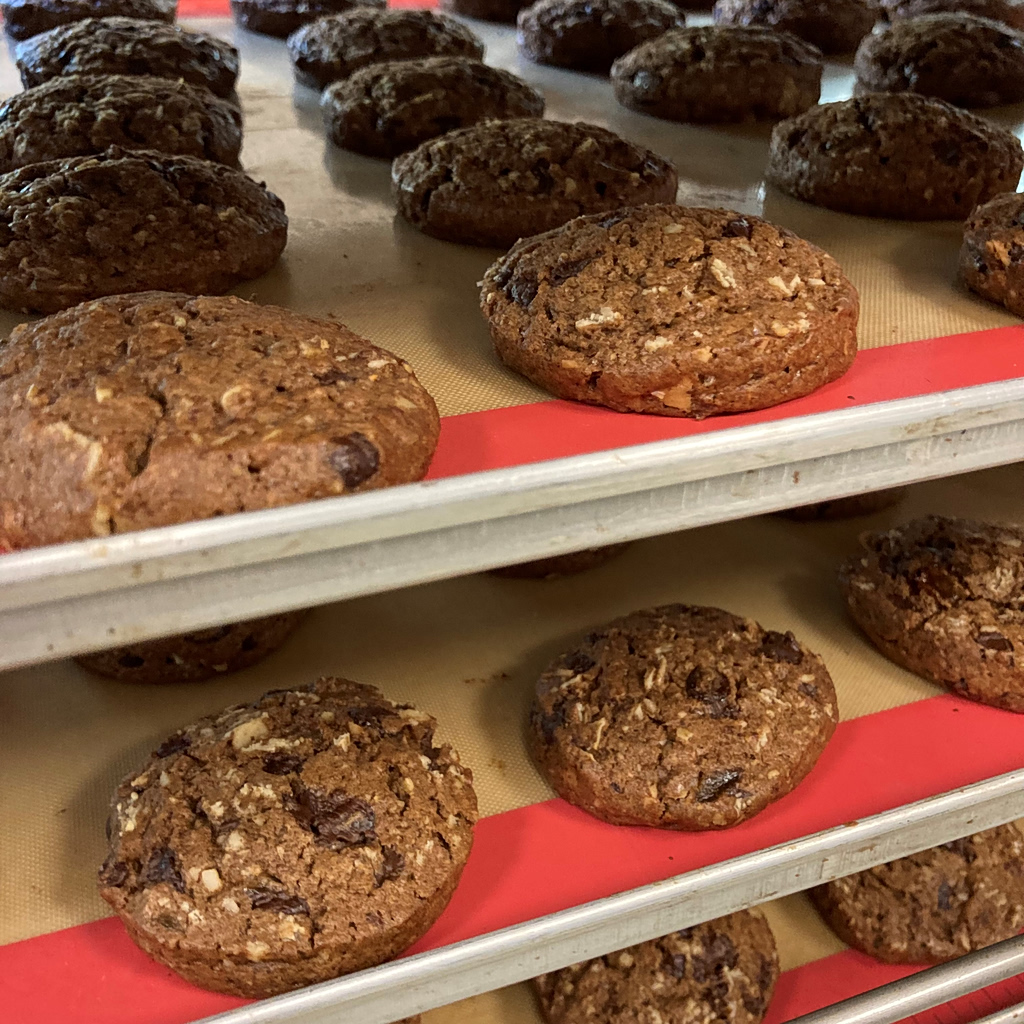
Cookies prepared with acorn flour, as seen on Kea island. Source: Marcie Mayers
“My work in making products out of acorns is my way of trying to discourage people from cutting down trees for firewood,” she tells TO BHMA International Edition.
It is an unusually practical form of conservation: make the nut useful, and the tree may be allowed to remain.
Across the water, in western Greece, the same acorn tells a similar story on a far larger scale. The valonia oak forest of Xiromero covers thousands of hectares. For centuries, its acorns fed pigs, its timber went into buildings and ships, and its tannin-rich caps travelled through the local port of Astakos to markets across Europe.
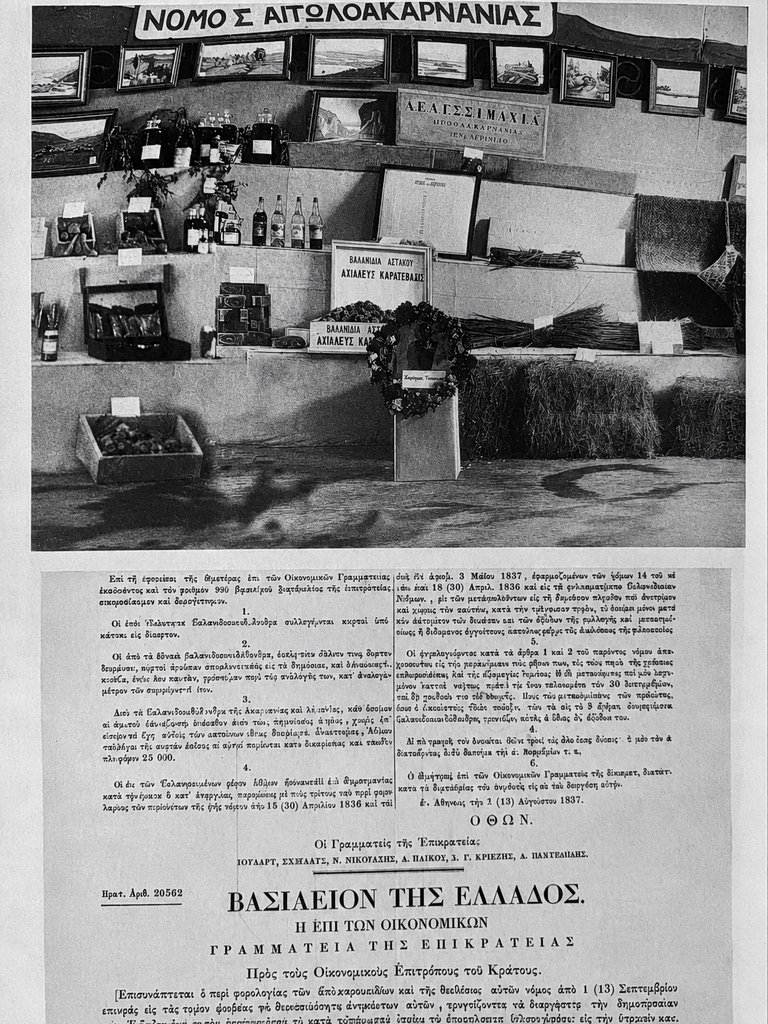
Archival material from Aetolia-Acarnania showing valonia acorns from Astakos presented as a regional product, alongside an official document from the Kingdom of Greece referring to the regulation or taxation of acorn-related trade. Source: Mayor of Xiromero
The trade helped sustain villages, particularly from the 17th to 19th centuries, and left its mark on the region itself. Mayor of Xiromero Giannis Triantafyllakis points to the old neoclassical buildings of Astakos as reminders of a period when acorns were not a curiosity underfoot, but a source of wealth.
“Many families lived off the acorns,” he relates to TO BHMA International Edition.
Today, the ships are gone, the acorn market has largely vanished, and many of the villages around the forest have emptied. Yet the trees remain. On Kea, Mayer is trying to give their fruit a second life. In Xiromero, scientists and local authorities are asking a broader question: how do you protect a forest after the economy that once helped maintain it has disappeared?
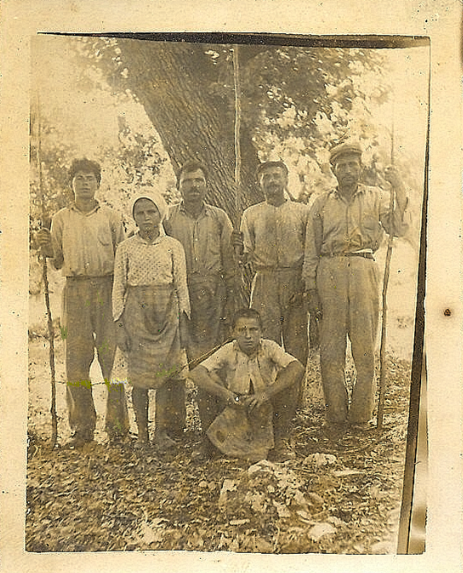
An image of valonia acorn harvesters. Source: Apostolos Tzogianis, photo orginally taken by P. Grispou 1935.
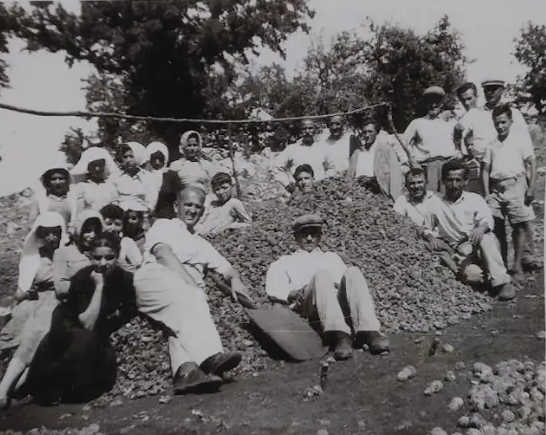
Valonia acorn harvest as seen in 1935 in photo by P. Grispou. Source: Apostolos Tsoganis
The rise and fall of the valonia acorn industry
The valonia oak, known scientifically as Quercus ithaburensis subsp. macrolepis, once covered far more of Greece than it does today. Professors Anastasia Pantera and Andreas Papadopoulos of the Agricultural University of Athens remind TO BHMA International Edition that its woodlands extended across parts of the Peloponnese, Attica and many Aegean islands. Their last great Greek stronghold now survives in Aetolia-Acarnania.
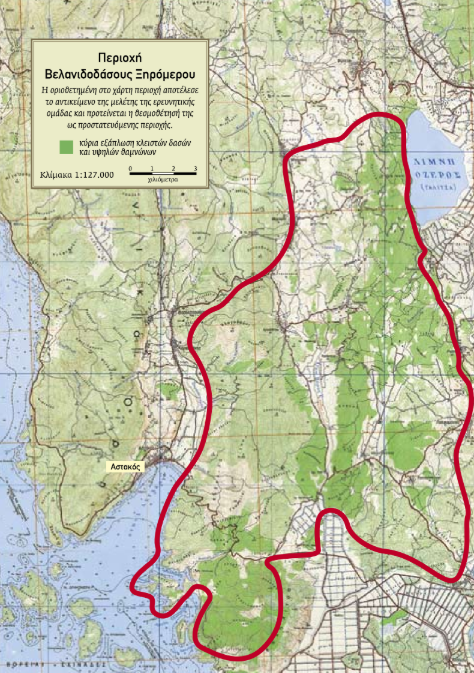
Map indicating approximate size of valonia oak forest in Xiromero, Greece. Source: Apostolis Tzoganis
The oak tree’s intrinsic value was recognized by Greeks long before its acorns became an export commodity. At the ancient oracle of Dodona, priests listened for messages from Zeus in the rustling of sacred oak leaves. And a local tradition in Xiromero holds that a person who saved an oak might one day marry the fairy that lives within it, the Professors relate.
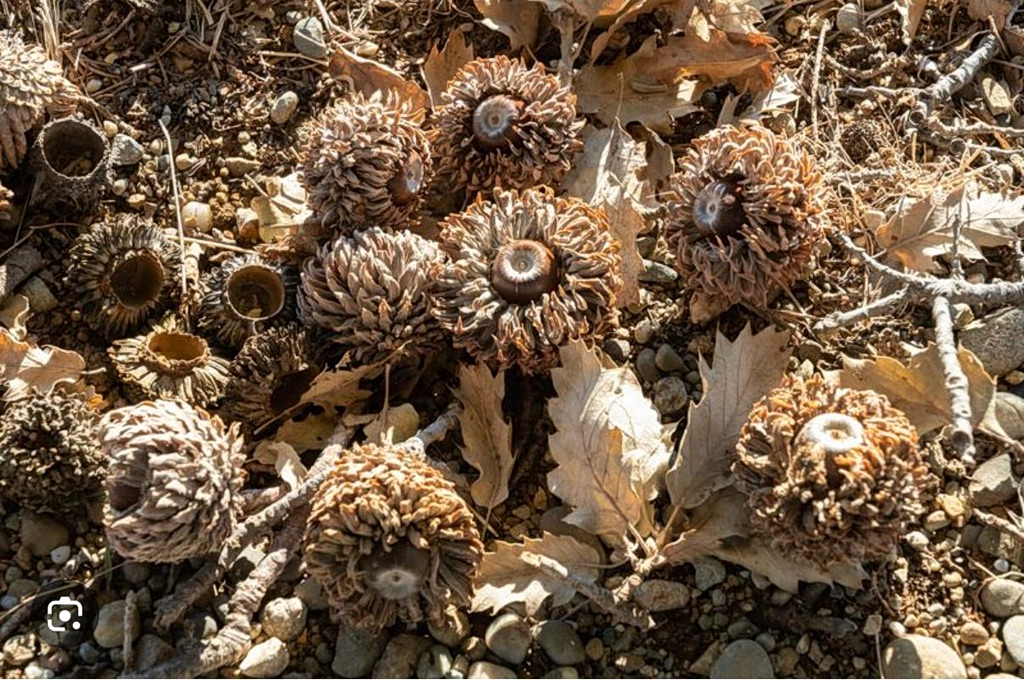
Valonia acorns scattered across the ground under an oak tree in autumn. Credit: Apostolos Tzogianis
A tree that fed animals, yielded timber and produced a marketable crop had obvious value, inadvertently serving as a form of protection and what we call today forest management. But the industrial era steadily dismantled the relationship between communities and forests. Synthetic chemicals replaced natural tannins, agricultural activity declined, and the old export chains broke apart.
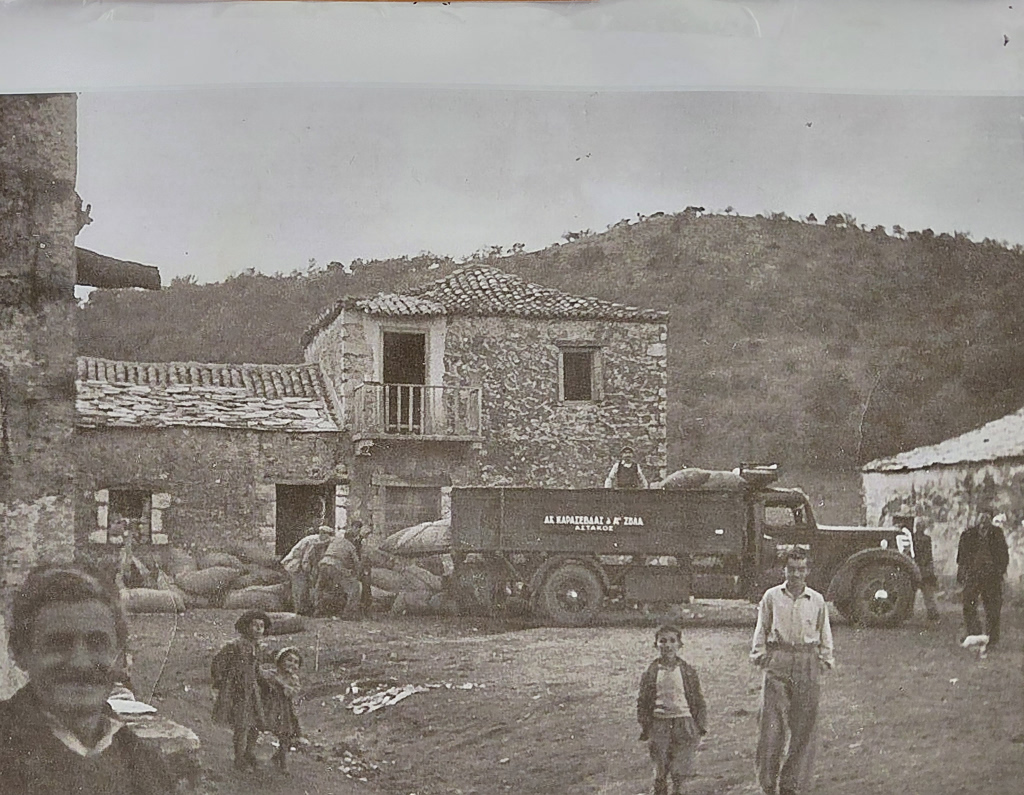
Sacks of valonia acorn caps being prepared for shipment to Europe at the port of Astakos. Source: Apostolos Tzoganis
Mayer’s attempts to revive the acorn trade as something “sustainable” show how completely the market has changed. She has helped send acorn cups to Germany, China, India, and Turkey. The German customer paid well, she says, but stopped buying acorns after roughly 150 years in business when the fourth generation abandoned natural dyes. Her explanation was disarmingly ordinary: “People don’t wear leather-soled shoes any more; they wear trainers.”
Meanwhile, Greece’s producers struggle to export acorn caps to Turkey- the only major importer left standing, explains Mayer. “The caps get stuck at the border to Turkey and are subject to heavy fees, which makes the business financially unsustainable.”
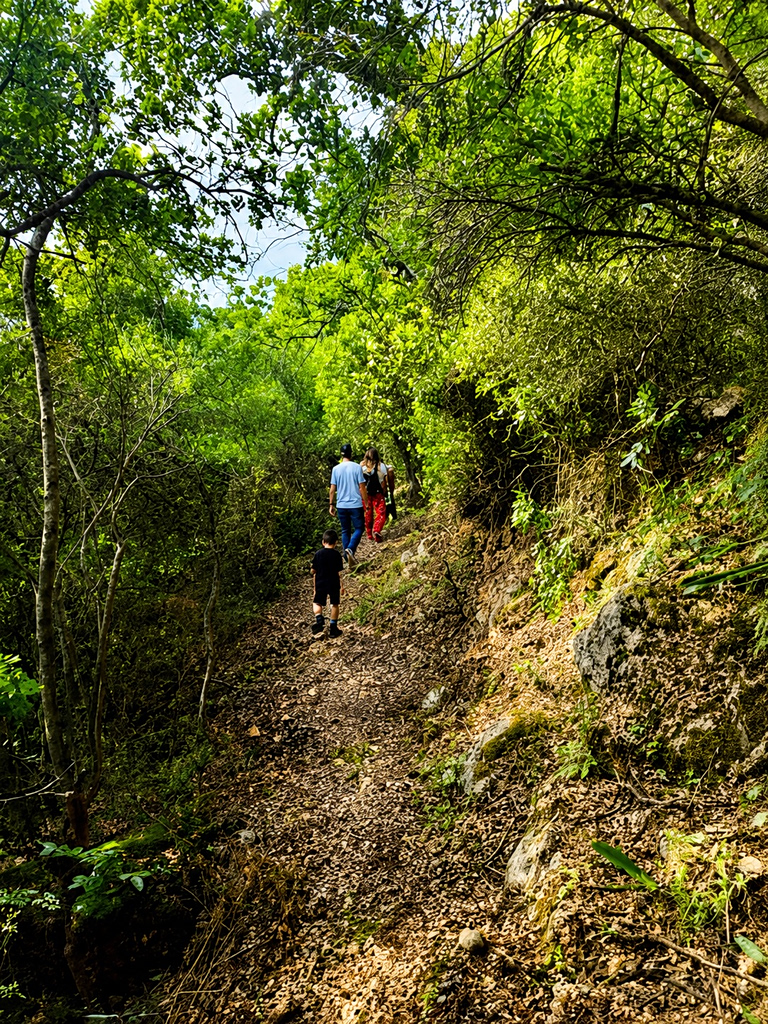
A family walks the new trail through the Xiromero forest.
The forest the acorn trade left behind
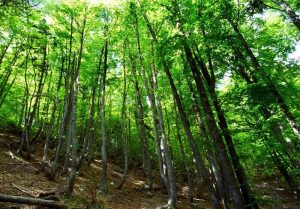
The valonia oak forest of Xiromero is far from the dark, dense woodland many readers may imagine. It is a Mediterranean working landscape, open in places and grazed in others, shaped over centuries by animals, people, heat, drought and wind.
Estimates provided in the interviews place it at between 16,000-17,000 hectares. Pantera and the Mayor describes it as the largest continuous valonia oak forest in the Balkans. “It’s an ancient forest”, says Papadopoulos. “Some of its trees are more than 500 years old.”
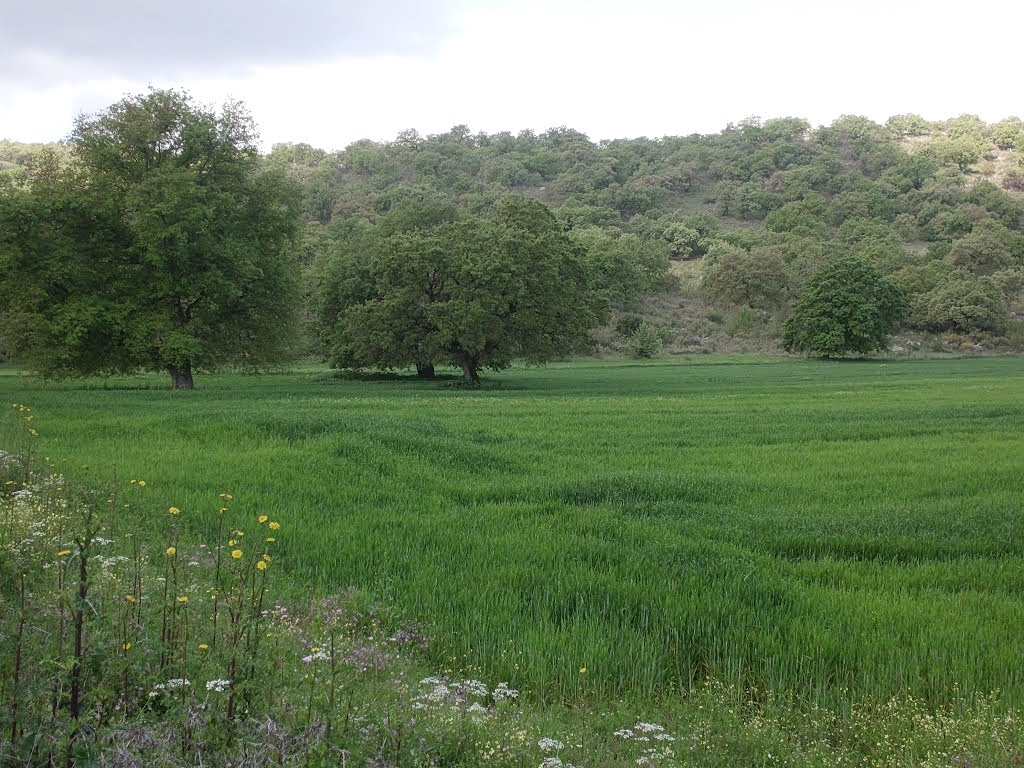
An image from Xiromero, reflecting a common silvopastoral landscape. Source: Apostolos Tzoganis
The forest shelters wildlife and plant life, stores carbon, protects the soil, and forms part of a traditional silvopastoral system in which livestock graze among trees.
Yet the disappearance of the acorn market, and herds and farmers in the region has created a problem. “Without the people and animals that once worked the landscape, parts of the forest have become overgrown,” explains Papadopoulos.
In other words, the decline of the economic activities in the region did more than remove a source of income; it changed the way the forest was used and cared for.
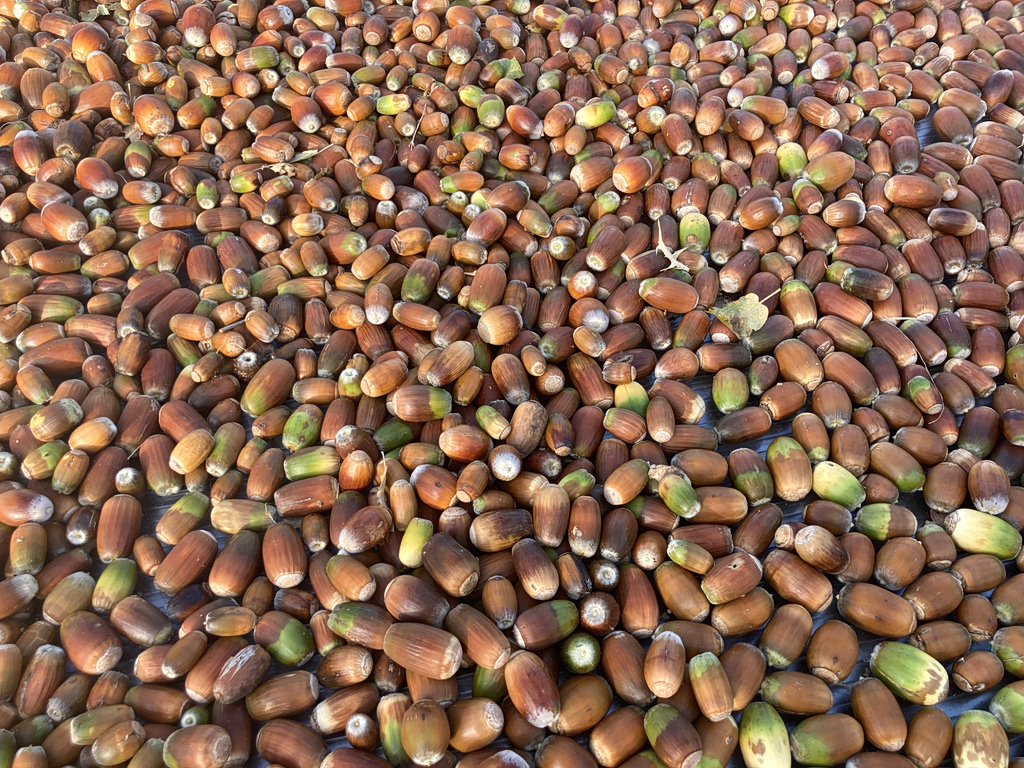
Valonia acorns separated from their cups, which were formerly used for dyeing. The nut can be used as food for pigs or even the production of acorn flour after it is processed. Credit: Marcie Mayers
“The forest has been left unmanaged for years,” and “the accumulated biomass increases the risk of fire”, highlights Papadopoulos.
Finding new uses for an old landscape
Kea and Xiromero are now testing different responses to the change in activities in their regions.
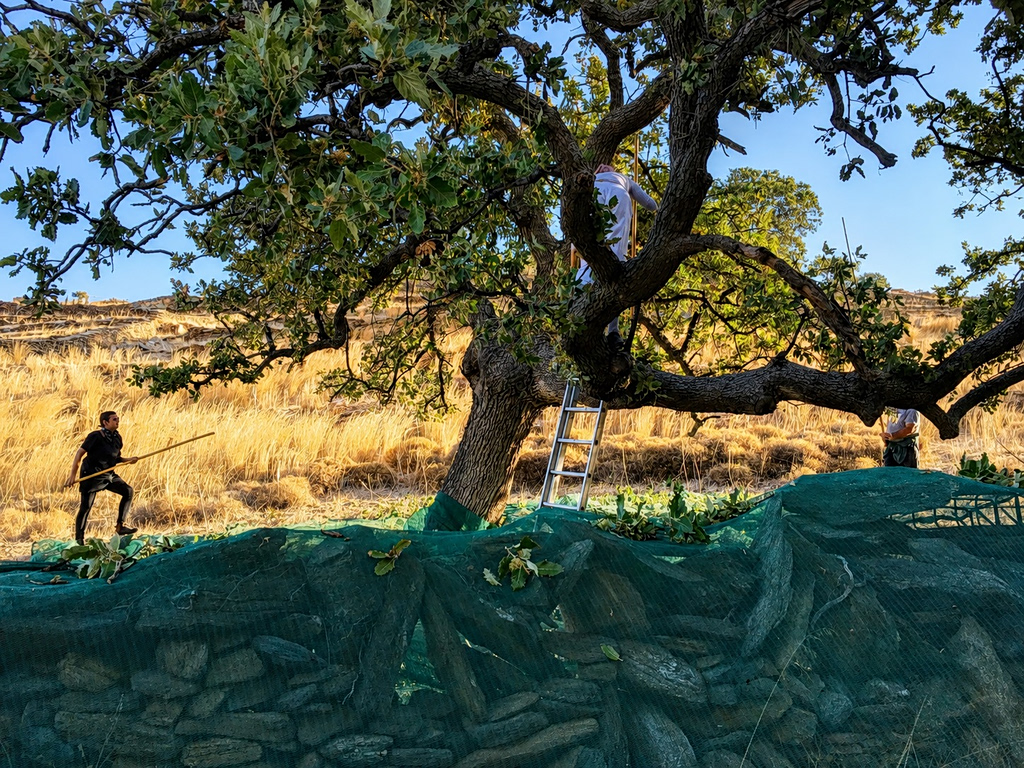
Seasonal acorn harvest on Kea island. Tourists are invited to participate in the tradition. Source: Marcie Mayers
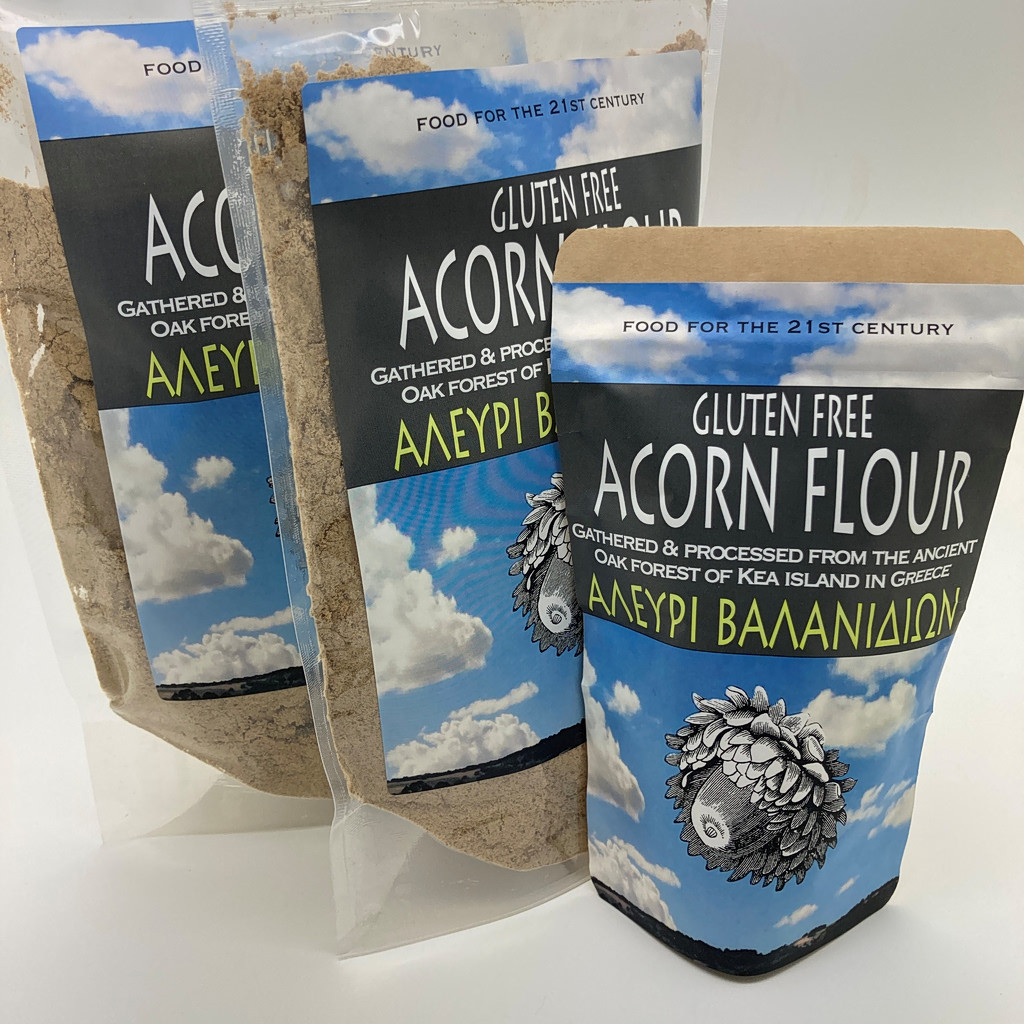
On Kea, Mayer works at the scale of a small island sustainable enterprise. During the harvest, owners of second homes give her access to their land so she can gather acorns with volunteers and even adventurous tourists. She processes the acorns into flour, which features in the 70 recipes included in her acorn cookbook. She is now preparing a second volume, this one focused entirely on gluten-free recipes.
“Acorn flour has to be processed to reduce its bitterness,” Mayer says. She uses it in cookies, pancakes, waffles and foods that do not need to rise and it is considered by scientists to be highly nutritious. And when the flour is boiled, it creates something gelatinous- similar to pudding. Mayer has also sold the flour to Lush Cosmetics for use in facial masks.
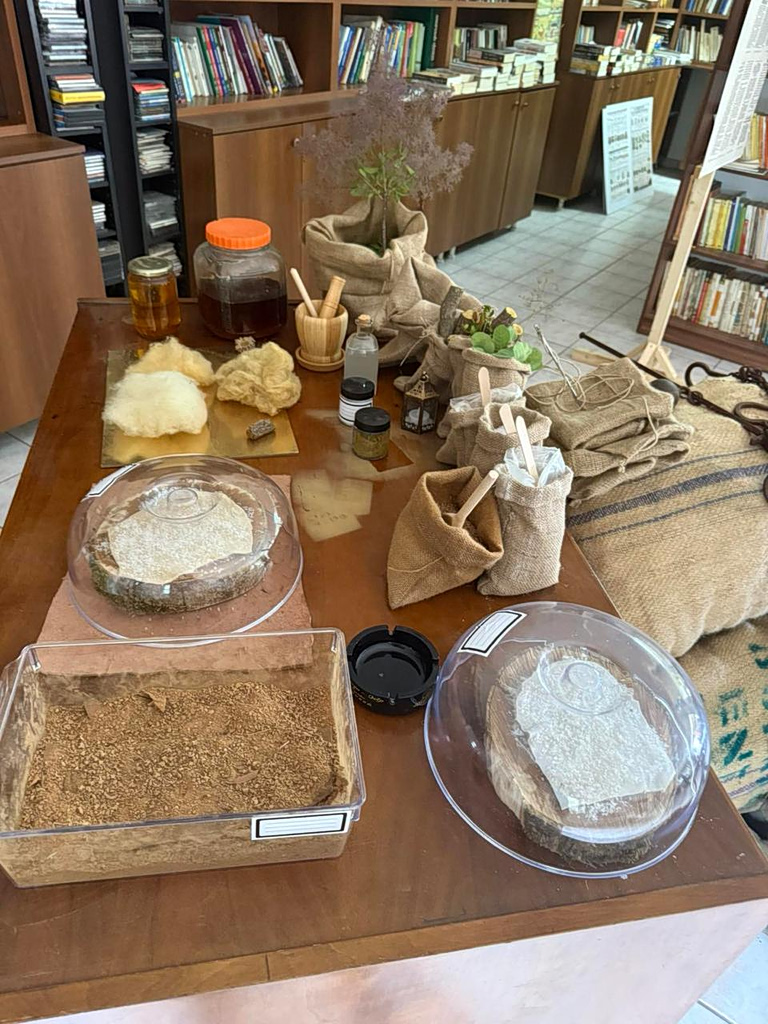
An educational display at Xiromero presenting acorn-derived products and traditional materials — from roughly ground flour, storage jars and sacks and processing tools. Source: Mayor of Xiromero
The work is modest compared with the export trade of the past, but it reconnects the harvest to local cuisine, visitors and landowners. That matters on an island where, as Mayer notes, the oak trees may be protected, but they stand on private properties. “Conservation is difficult when owners are asked to preserve something that produces no visible return,” she cautions
Mayer is realistic about the limits of what one person can revive. Acorns can yield tannins, oils and other products, but she has decided not to pursue every possibility. “I am 63 and have to choose my lane,” she says. “And that lane is acorn flour. I would love it if the younger generation would explore its other uses.”
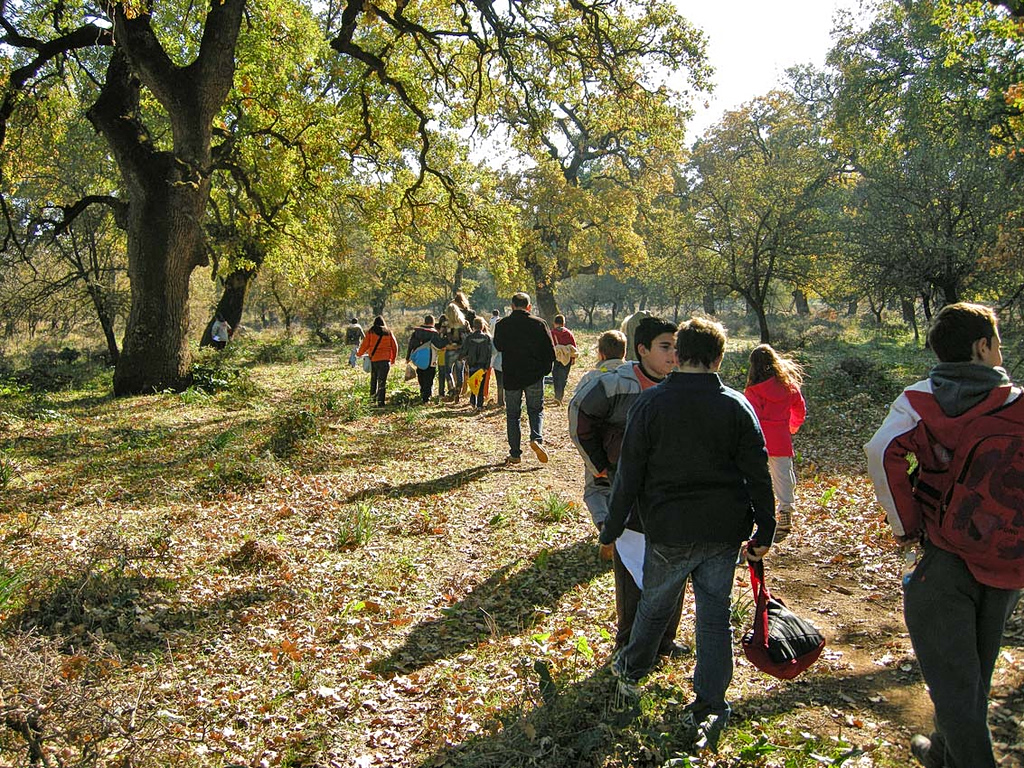
A group seen hiking through the oak forest of Xiromero, as part of efforts to raise awareness about the forest and develop ecotourism in the region.
In Xiromero, the proposed answer is broader. Triantafyllakis says the municipality is seeking protected status for the forest through the Ministry of Environment, while it is also looking into developing more walking routes, ecotourism, gastronomy, livestock farming, beekeeping, and possibly a small museum devoted to the uses of the acorn.
The desired protection is not intended to freeze the forest in time, the mayor says. Rather, the region seeks to support activities that depend on the landscape, which will prevent them from exhausting the forest’s resources or fragmenting it.
Ancient trees, new instruments
Scientists are approaching the same question about sustainability from below the canopy and beneath the soil. Through the EU-funded DRYAD project, Pantera, Papadopoulos and their colleagues are studying the forest’s resilience and testing nature-based approaches to its management.
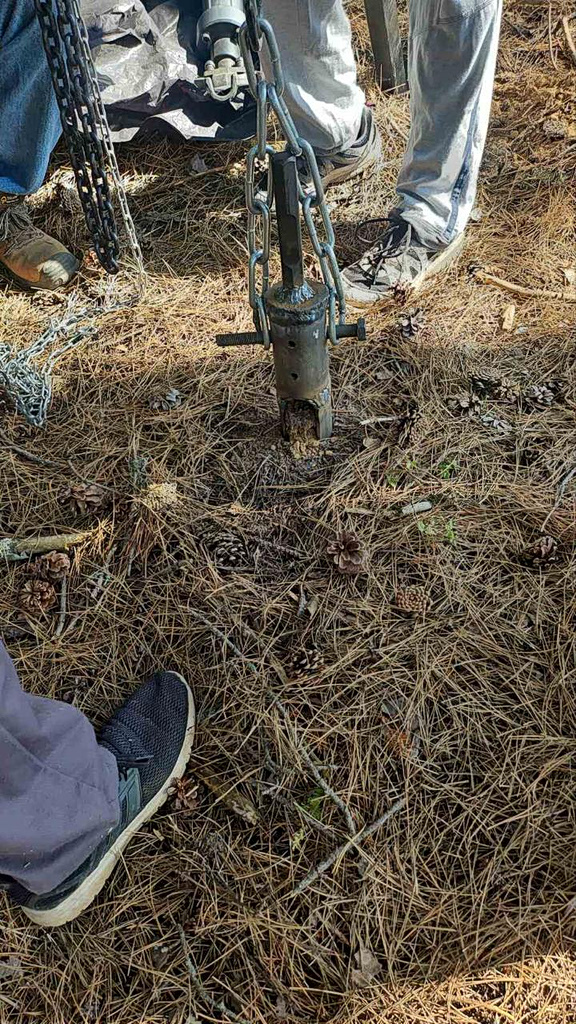
Research plots in Xiromero forest where scientists take soil samples for analysis. Source: Prof Pantera
Plots of land are being used to conduct research on tree growth and biomass. Sensors record soil moisture, temperature and the water status of the trees. Researchers are examining roots at different depths and comparing how traditional grazing affects vegetation, fire risk, and the wider ecosystem.
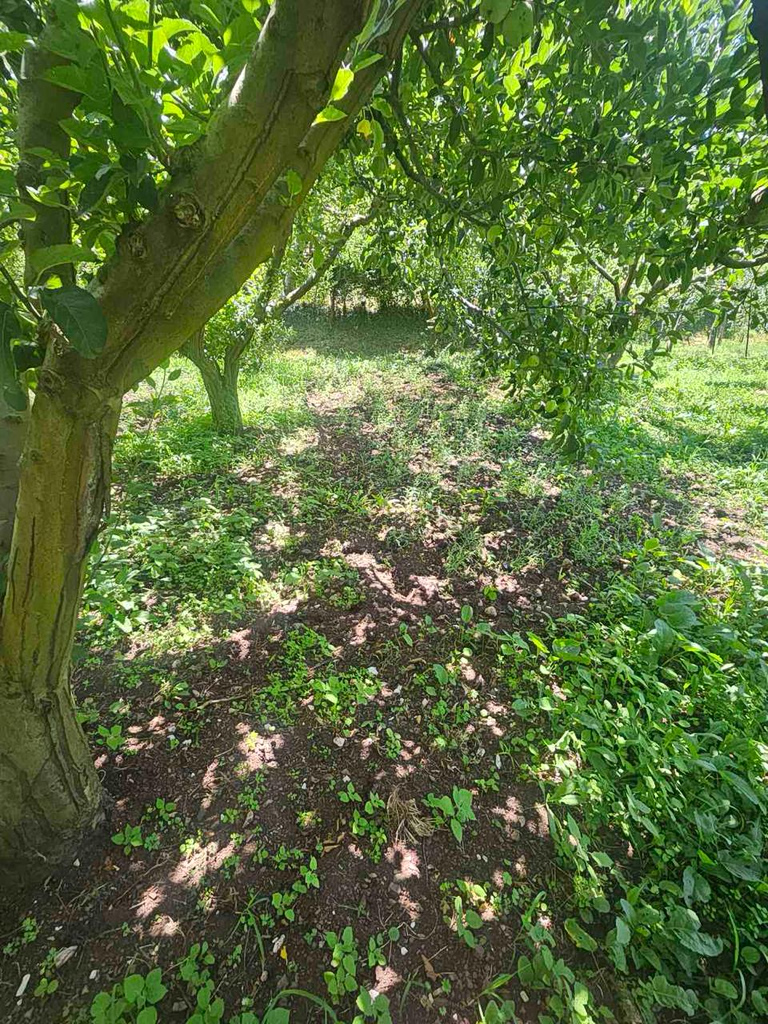
Prof. Pantera and Prof. Papadopoulos take samples of the Earth near valonia oak trees in Xiromero oak forest. Source: Prof. Pantera.
The aim is not simply to catalogue an ancient forest; it is to understand what helps it endure. It is also intended to feed data from Xiromero into a wider network of “e-forests,” making environmental measurements available to researchers, students, policymakers and the public.
The instruments are new; the management question is not. For centuries, the forest survived the shifting relationship between trees, animals, trade and human settlements. Researchers are now trying to determine which parts of that relationship can be restored, and which must be reinvented, particularly in this age of rapid climate change.
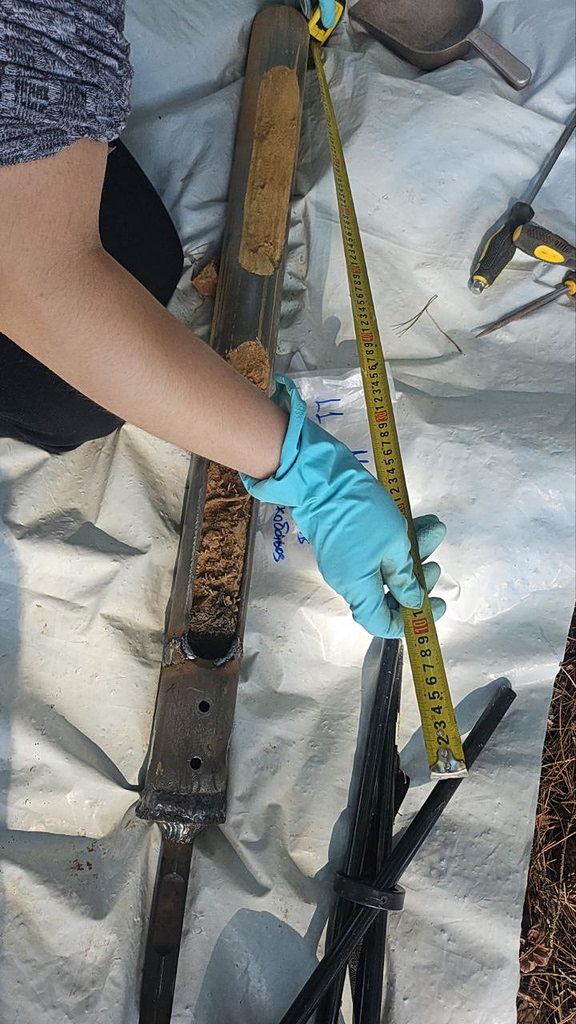
Prof. Pantera and Prof. Papadopoulos take samples of the Earth near valonia oak trees in Xiromero oak forest.
Can ‘new value’ keep the oaks standing?
Today’s efforts are not trying to recreate the old acorn economy that once sent shiploads of cups from western Greece to markets across Europe. Instead, they are building something new. On Kea, cookies and acorn flour are giving the nut a modern identity in a farm-to-fork approach. In Xiromero, plans for protection, research, cultural heritage, land management and local enterprise aim to create new reasons for people to connect with the forest.
The opportunity lies in choosing uses that strengthen, rather than strain, the landscape. Tourism and new markets can support conservation and forest management when they are rooted in the needs of the forest and the communities around it. The real measure of success of these efforts will not be how much value has been extracted, but how much ecological, cultural and economic value will be sustained.
Special gratitude is extended to Apostolos Tzoganis of Xiromero, who provided historical and contemporary images of the region’s Valonia oak forest and acorn trade. Tzoganis has spent years collecting material on Xiromero’s history, economy and culture in the hope that it may one day form the basis of a local cultural museum.