 Μake us preferred on Google
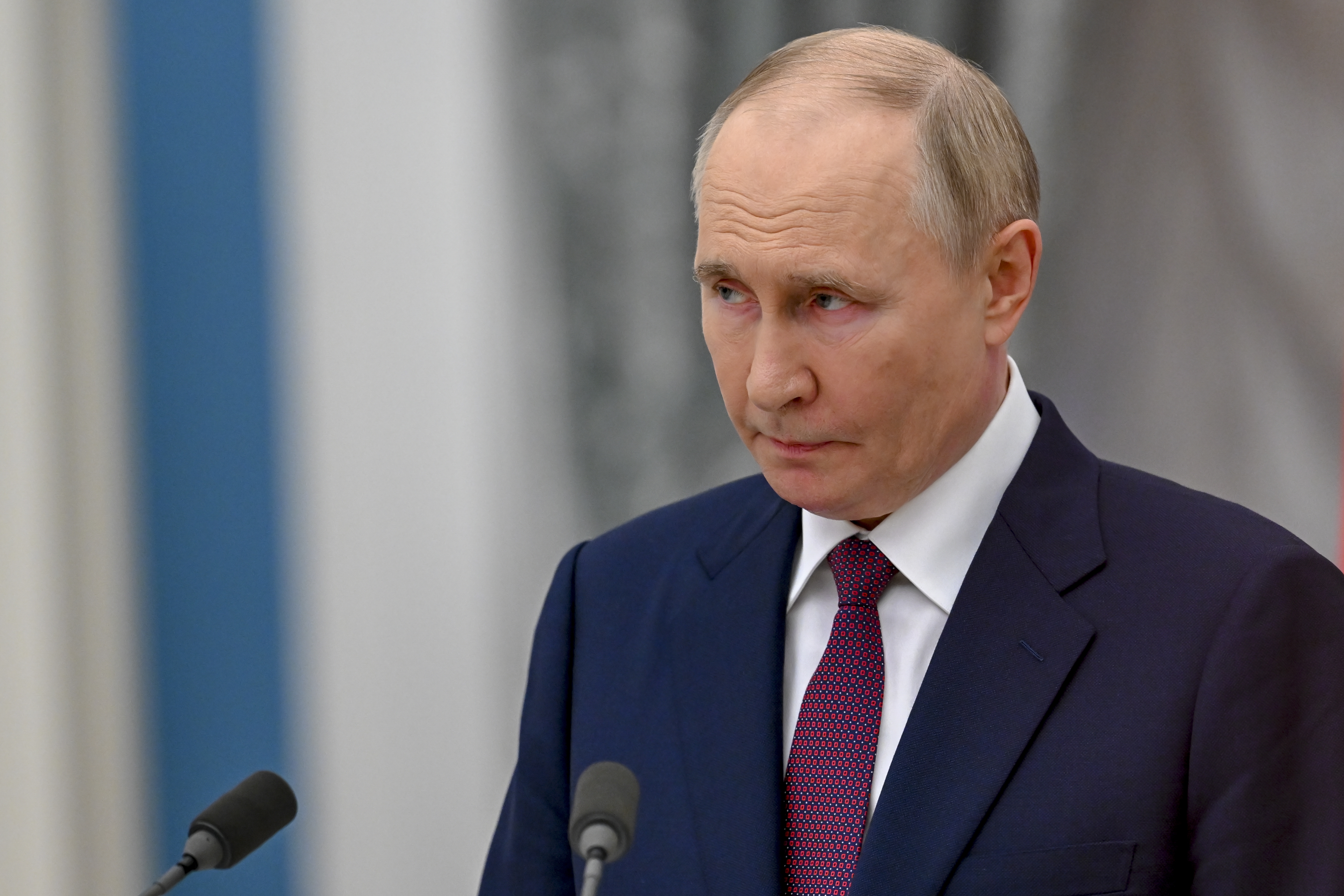
 An anonymous trader placed close to $400,000 on the crypto prediction platform Polymarket, betting that Vladimir Putin will not remain Russia’s president through the end of 2026. Forbes reports the wager has sparked fresh debate about whether users are trading on inside information, and about the rapid growth of geopolitical betting markets tied to wars and international crises.
Last month, the U.S. Commodity Futures Trading Commission opened public comment on a proposed rule that would regulate online prediction markets. The draft would ban bets seen as against the public interest or vulnerable to manipulation via confidential information, potentially including wagers tied to armed conflicts, terrorism, or political assassinations. Those rules aren’t in effect yet, so it’s unclear whether a Putin-related bet would eventually be barred.
A U.S. soldier’s insider-trading case
In April, a U.S. Special Forces soldier involved in the operation to capture Venezuelan President Nicolás Maduro was accused of using classified information to earn more than $400,000 on the same platform. The Justice Department charged him with misusing confidential government data for personal financial gain, saying he placed 13 bets on Maduro- and Venezuela-related markets shortly before the operation, netting about $409,881.
Forbes’ outlook on Putin’s political future
Forbes argues Putin faces existential pressure on multiple fronts. The drawn-out war is straining the Kremlin and fueling domestic discontent, illustrated by a viral video of a Russian military blogger warning of possible mutiny. Public anger is rising over forced conscription and shortages, and comparisons to past regime collapses are resurfacing. Fearful elites could turn against him, raising the risk of internal conflict among his own security forces.
Forbes lays out scenarios ranging from a sudden assassination to a show trial, with potential triggers including new Ukrainian strikes, domestic unrest, or Chinese withdrawal of support. The outlet judges his fall plausible within the next three years.
Battlefield pressure and the “Ceaușescu scenario”
Continued Ukrainian drone strikes have nearly cut off Crimea’s fuel supplies, with lines of cars leaving the peninsula during tourist season creating a bad look for Moscow. The Kerch Bridge, the last major supply route, keeps getting hit but remains operational; Ukrainian intelligence sources reportedly see a serious chance of a strike there. The 4.5-year-old war effort is showing wear, and Forbes says that when Putin can no longer control the narrative at home, the countdown has effectively begun. A rapid ouster could trigger a succession fight, but Forbes calls this the “Ceaușescu scenario,” referencing the Romanian dictator’s Nicolae Ceaușescu’s swift execution and the survival of old-regime figures in the new power structure.
China’s role
Forbes considers China’s stance decisive. If Beijing decides a weakened Putin no longer serves its interests, it could accelerate his decline by curbing aid to Moscow or shifting its posture. Forbes concludes that if the current trajectory continues or worsens, Putin’s ouster within the next three years is plausible.