 Μake us preferred on Google
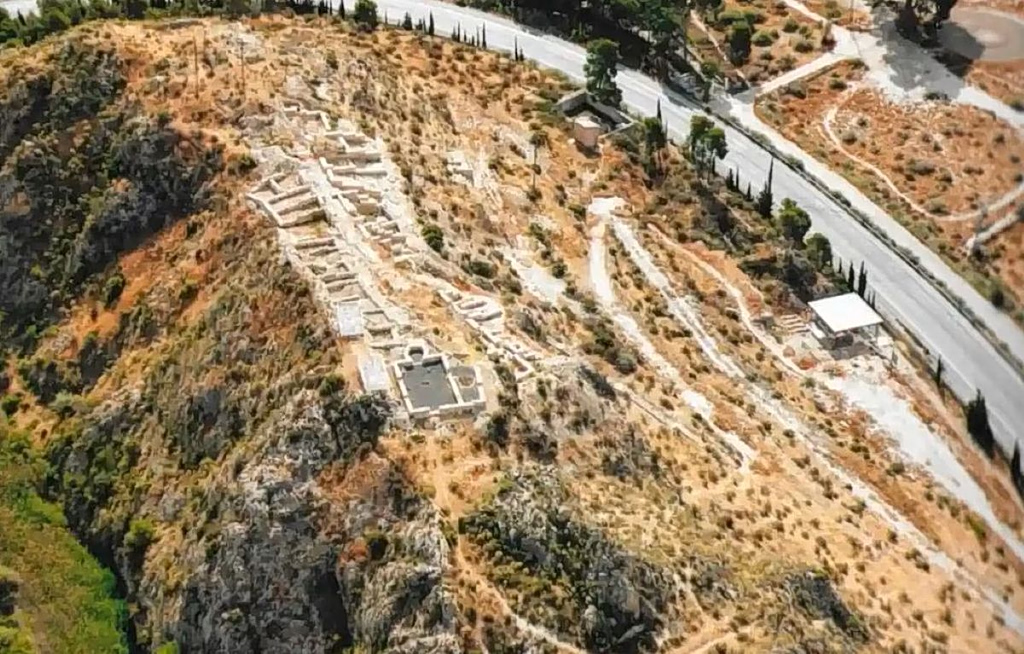
 A major archaeological discovery in southern Spain is offering new insight into the early history of Christianity on the Iberian Peninsula, after excavations uncovered a large Byzantine-era monastic complex at the Cabezo María archaeological site in the municipality of Antas, Almería.
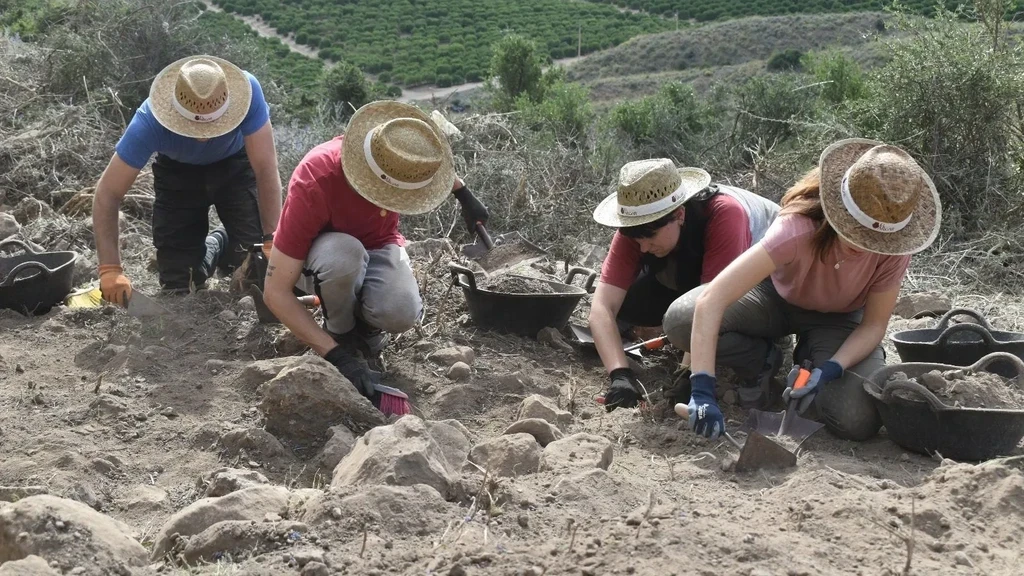
The site has confirmed the existence of an important Christian monastic community that was active between the 5th and 8th centuries AD. The discovery comes from the second excavation campaign carried out by the Memolab bioarchaeology research laboratory of the University of Granada.
The archaeological team, led by Julio Román, José María Martín Civantos and Antonio Rubio, uncovered new structures that reveal the scale and influence of what appears to have been a significant religious center.
A large-scale Christian complex
Among the most important findings are a large dining hall, or refectory, located next to a kitchen and storage area, as well as the original floor of a large three-aisled basilica facing east. The church included a presbytery and a complex architectural design, suggesting that the site was built as a prominent religious landmark.
Differences in construction techniques across parts of the church indicate that the building underwent later modifications, providing researchers with new questions about its development and continued use over time.
A monumental staircase leading from a portico overlooking the valley to the church further supports the idea that the monastery was designed to project prestige and authority.
Using drone-based photogrammetry techniques, researchers also identified cells and other facilities carved into the rock, showing that the monastery could have accommodated hundreds of people, including monks and support staff.
A Byzantine strategic outpost
According to project director Julio Román, the site may contain the oldest remains of a Christian church discovered south of the Ebro River.
Román said the monastery may have played a strategic role for the Byzantine Empire, serving as a center for promoting the spread of Catholic Christianity during a period when Arianism had a strong presence among Christian communities in Spain.
Beyond its religious role, the monastery appears to have also been an important economic and administrative center connected to Mediterranean trade routes.
Evidence of international trade
Archaeologists found high-quality ceramics, including tableware, amphorae and oil lamps, originating from different parts of the Mediterranean, from North Africa to the Middle East.
The discoveries point to extensive commercial links during the period, while several objects feature Christian symbols, including representations such as the Easter lamb.
The findings suggest that the monastery was not an isolated religious settlement but part of a wider network of cultural and economic exchange across the Mediterranean.
The municipality of Antas is already working on the protection and promotion of the archaeological site, with the aim of transforming it into a visitor attraction that will showcase one of Spain’s most significant newly revealed historical monuments.