 Μake us preferred on Google
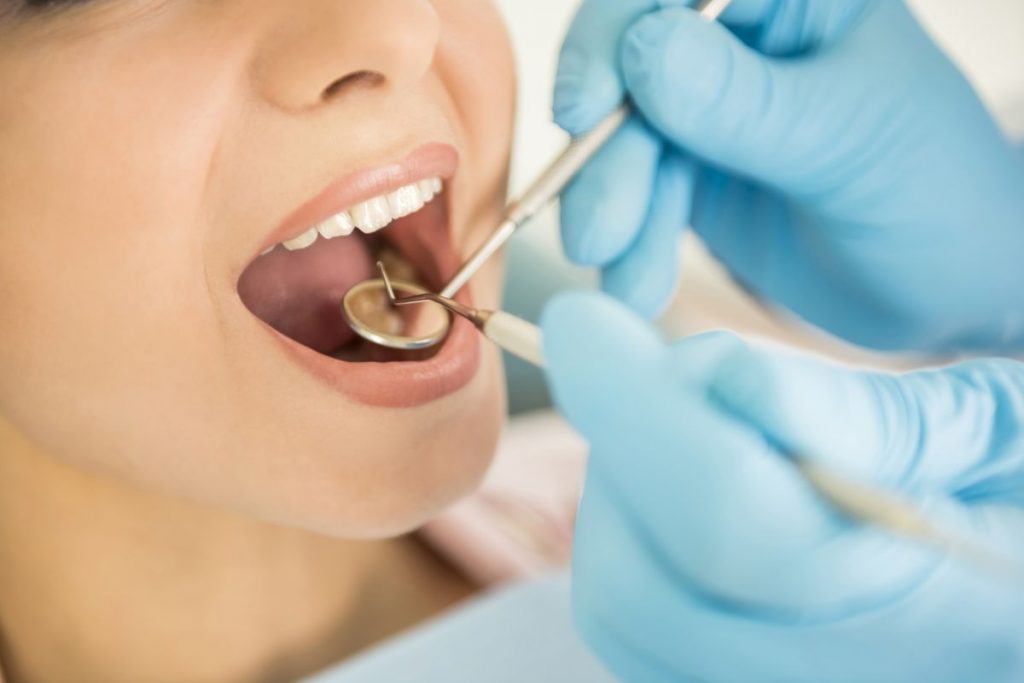
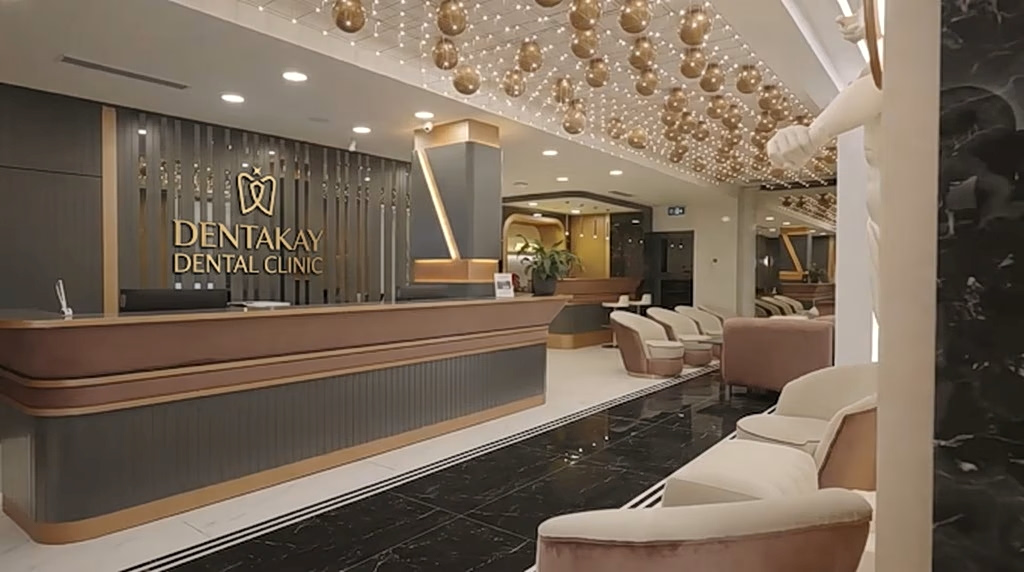
 A Turkish dental clinic has given its first response to allegations surrounding the case of a 53-year-old Greek-Canadian man who traveled to Antalya for dental implants and remains in a coma in the intensive care unit of the KAT Hospital in Athens.
The man, identified as Alexandros Ziakas, traveled to Turkey with his wife, Maria Ziaka, on July 20 for a planned procedure involving 12 implants, six in each jaw. According to his wife, the couple had researched clinics in Canada, Greece and Turkey before choosing the Turkish facility because of the substantially lower cost. The procedure was initially expected to involve sedation and local anesthesia but was reportedly changed to general anesthesia after doctors said he was not cooperating.
Ziakas did not regain consciousness following the procedure. He subsequently suffered cardiac arrest and severe hypoxic brain injury and was transferred to a hospital in Antalya. His wife has said doctors later identified blood clots and a brain hemorrhage and that the family has not received a clear explanation of what went wrong. He was eventually repatriated to Greece on Aug. 19 and transferred to KAT, where he remains in critical condition.
The clinic’s response came through an employee who told Mega TV that she knew the family and had handled communications with Ziakas and his relatives. She said she was not qualified to explain what had gone wrong, adding that the clinic was examining the case with its lawyers and gathering information before responding further.

Alexandros Ziakas
The case has also brought renewed scrutiny of online reviews of the clinic. While most reviews are positive, some former patients allege problems with anesthesia, inexperienced staff and dental work that subsequently required corrective treatment. One Italian patient, writing in November 2025, alleged that an anesthesiologist abandoned an attempted procedure after two unsuccessful attempts to administer anesthesia. Other reviewers complained about broken dental prostheses, poor fitting and repeated trips back to Turkey for repairs.
The controversy comes as dental tourism expands across the Balkans, driven by large price differences with western Europe. Clinics in Albania, Bulgaria and North Macedonia increasingly market dental packages that include flights, accommodation, airport transfers and transportation to and from clinics. Social media advertising has further popularized the idea of combining inexpensive dental treatment with a foreign holiday.
One Greek woman who traveled to Sofia for implants said she was offered treatment for about 6,000 euros, compared with roughly 20,000 euros quoted in Athens. She said the clinic she encountered bore little resemblance to the facility advertised online and described the treatment environment as alarming.
The Hellenic (Greek) Dental Federation has previously warned about misleading advertising for “immediate,” “one-day” and “fast” dental implants, saying such promotions can create unrealistic expectations and potentially put patients’ health at risk. The federation reiterated those concerns following the Ziakas case and called for patients to receive full and responsible information before undergoing dental procedures abroad.