 Μake us preferred on Google
France and Turkey are steadily expanding their defense cooperation, with a series of high-level meetings and a newly signed roadmap signaling a closer relationship despite longstanding disagreements over Libya, Syria and the Eastern Mediterranean.
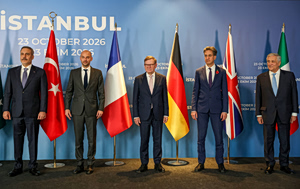
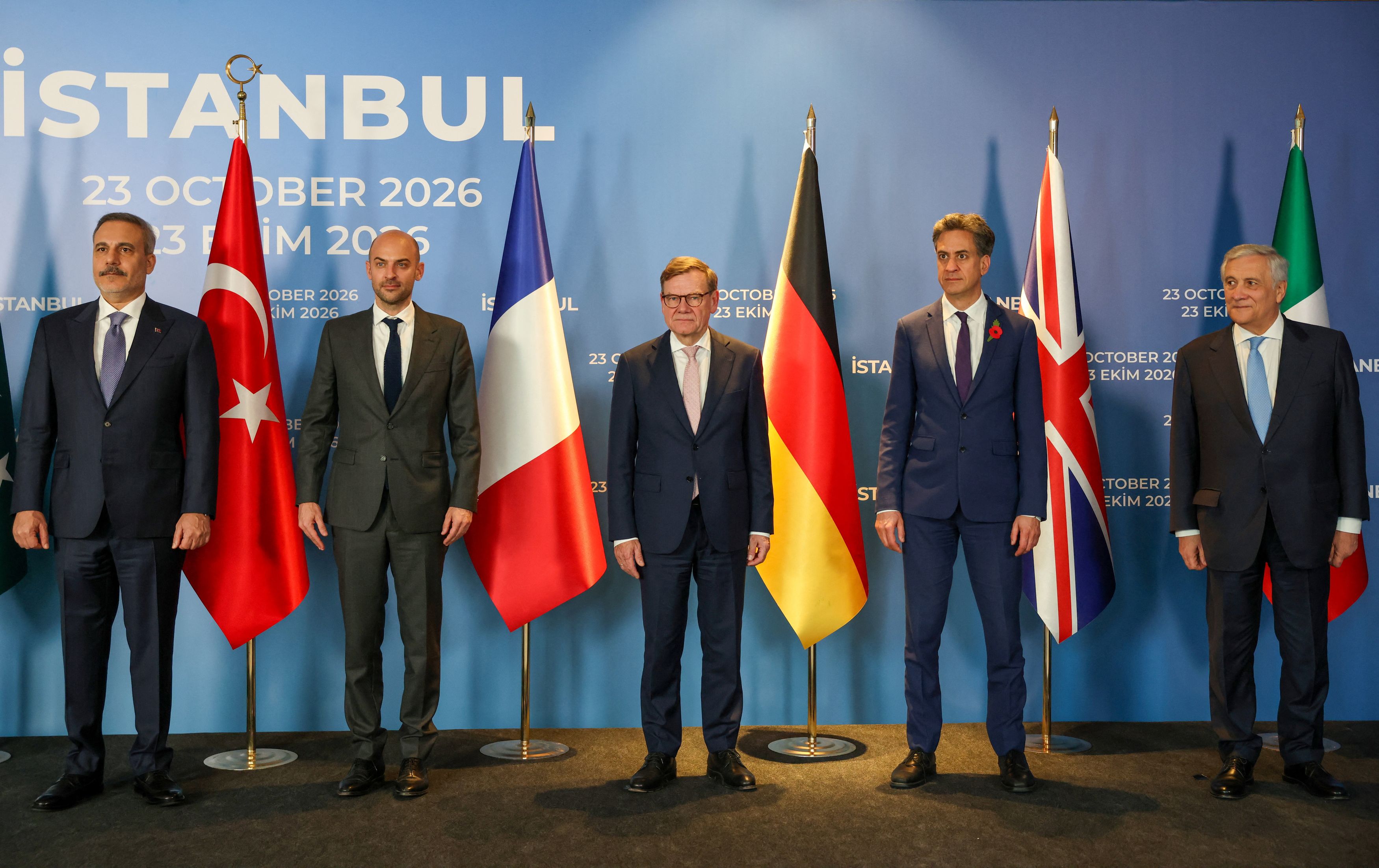
The rapprochement was underscored on October 23, when French Foreign Minister Jean-Noël Barrot met his Turkish counterpart, Hakan Fidan, in Istanbul. The meeting followed the signing of a bilateral defense cooperation roadmap on October 3, which Ankara described as a significant upgrade in relations between the two countries.
The agreement was preceded by talks between Guillaume Ollagnier, director general for International Relations and Strategy at France’s Ministry of the Armed Forces, and his Turkish counterpart, Ilkay Altindag. The Turkish delegation also held meetings with French Minister Delegate for the Armed Forces Alice Rufo and General Vincent Giraud of the French presidency.
On October 8, Turkey’s Defense Ministry outlined the scope of the cooperation, which includes intelligence sharing, air defense, countering hybrid threats, joint military exercises, interoperability and the defense industry.
Paris and Ankara have different interpretations
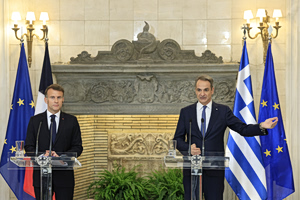
The growing cooperation has not entirely dispelled skepticism in Athens over France’s intentions. The strictly bilateral nature of the October 3 agreement leaves room for different interpretations: Ankara presents it as a strategic success, while Paris appears to be retaining room for maneuver.
A European official with extensive experience in bilateral cooperation with France said Paris’ moves form part of a broader effort to restore its leadership role in European defense. Turkey, the official argued, is being viewed as a potential partner that could help expand French influence in defense matters and across the Middle East.
For Ankara, closer ties with Paris offer an opportunity to strengthen its defense industry through European co-production projects and raise its geopolitical standing. Turkey is also seeking a greater role in crisis management across a region stretching from the Persian Gulf to the Black Sea and the Eastern Mediterranean.
Another source with extensive knowledge of European power dynamics said France’s outreach to Turkey fits into its broader ambition to increase its influence within both the European Union and NATO.
Against the backdrop of a changing U.S. role in European defense and the Franco-British-led “Coalition of the Willing,” Paris is pursuing greater strategic autonomy by making use of Turkey’s geographic position and military capabilities.
The source identified three main areas where French and Turkish interests could converge:
- Syria and Lebanon: Paris and Ankara are seen as sharing certain approaches, particularly toward Israel.
- Africa: Turkey’s expanding presence could offer France additional channels of influence as its traditional power in the region recedes.
- Ukraine: French defense industry interests could align with Turkey’s efforts to obtain advanced military systems and technical expertise.
A more autonomous European defense
Ino Afentouli, head of the Geopolitics and Diplomacy Observatory at the Hellenic Foundation for European and Foreign Policy (ELIAMEP), said the agreement reflects converging interests in building a European defense framework with greater independence from the United States.
Cooperation between the two countries’ powerful defense industries, she argued, effectively brings Turkey into European defense planning, albeit indirectly.
Sinan Ciddi, a senior fellow at the U.S.-based Foundation for Defense of Democracies (FDD) and director of its Turkey program, offered a different perspective on the political implications of the rapprochement.
If France wants to demonstrate that the defense roadmap does not amount to a “reward for Erdogan,” it could commit to vetoing any potential Turkish candidacy for the position of United Nations secretary-general, he argued.
Ciddi also pointed out that Greece and Cyprus, both partners of France, face Turkish threats in the Aegean and Eastern Mediterranean.
The implications for Greece
The growing relationship between Paris and Ankara raises two major concerns for Athens.
The first is the possibility that advanced French military technology could be transferred to Turkey, potentially affecting the military balance in the Aegean and the strategic partnership between Greece and France.
The second concerns the role Ankara could play in France’s wider geopolitical ambitions, at a time of shifting dynamics in the Middle East and changes in the European defense industry.
For Greece, the question is how far France’s pursuit of closer ties with Turkey could reshape regional defense cooperation and affect its existing strategic relationship with Athens.