 Μake us preferred on Google
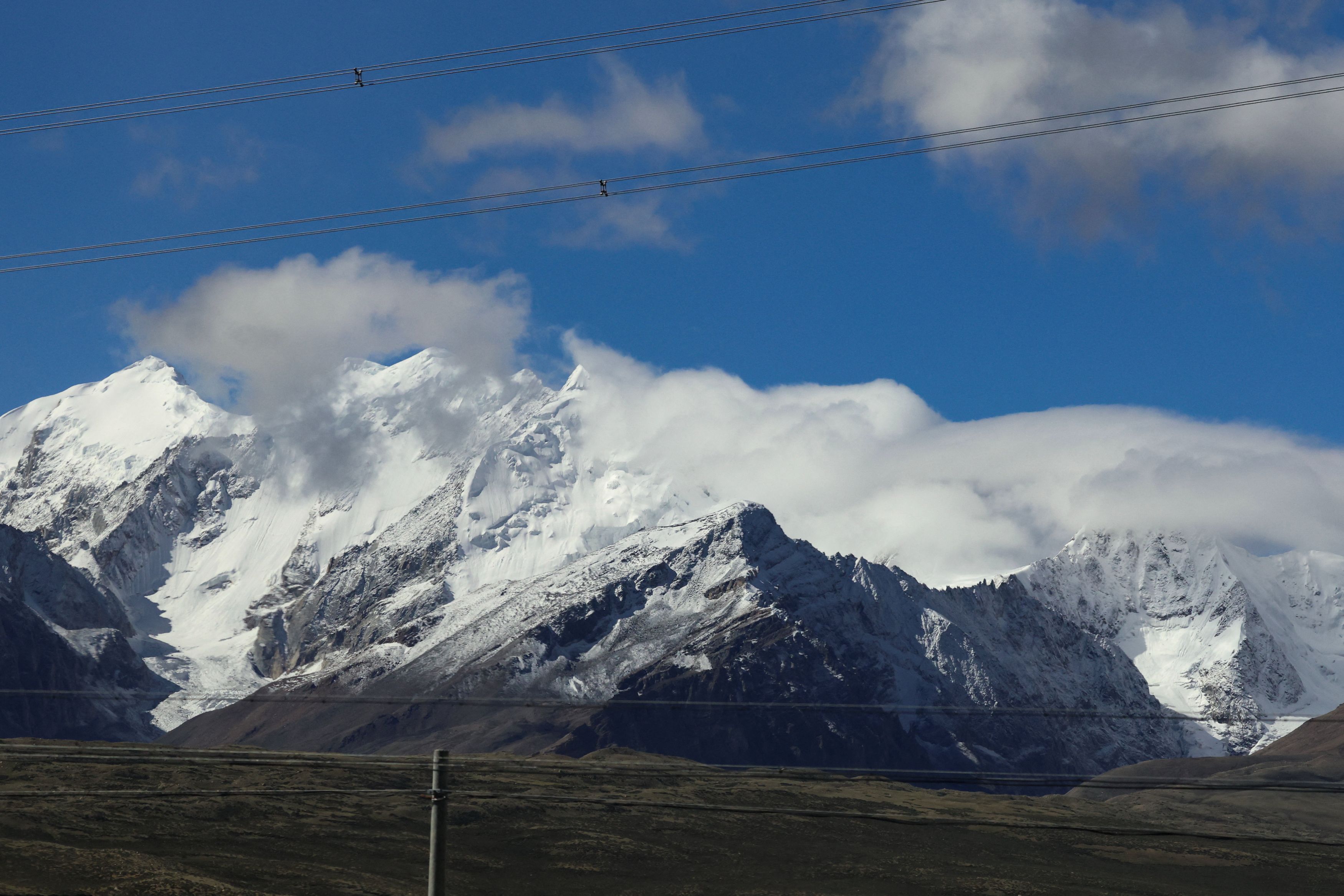
 New research suggests the Himalayas are edging toward a critical tipping point, as accelerating glacier melt, increasingly unstable glacial lakes, and gaps in monitoring combine to heighten regional risk.
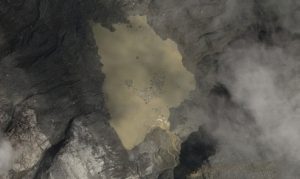
A satellite image shows one of two lakes at the site of the glacial collapse,in the border area between Nepal and Tibet Autonomous Region, China, August 28, 2026. SPOT ©CNES 2026, Distribution Airbus DS/Handout via REUTERS THIS IMAGE HAS BEEN SUPPLIED BY A THIRD PARTY. NO RESALES. NO ARCHIVES. MANDATORY CREDIT
The findings follow catastrophic flooding in Nepal and Tibet that claimed more than 1,300 lives and caused massive destruction—underscoring how quickly conditions in the Himalayan region are deteriorating.
According to a report from global consultancy Systemiq, developed alongside the Integrated Mountain Initiative with input from the International Centre for Integrated Mountain Development (ICIMOD) and the GB Pant National Institute of Himalayan Environment, Himalayan glaciers are now losing mass 65% faster than they were just a decade ago.
Despite this accelerating change, only around 21 of the roughly 40,000 glaciers spanning the Himalaya-Karakoram region receive detailed, ongoing monitoring—a gap the report identifies as a serious concern given how quickly the landscape is shifting.
As glaciers recede, they often leave behind growing lakes contained only by unstable ice and rock formations. Simultaneously, rising temperatures are destabilizing permafrost and steep mountain terrain, creating conditions ripe for compounding disasters, the report warns.
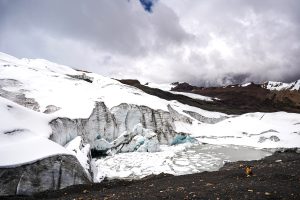
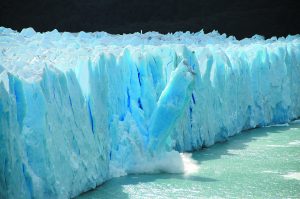
Quelccaya glacier melting creating glacial lake in Peruvian Andes. Source: Shutterstock
India has already experienced the consequences firsthand. Although the Himalayan region makes up just 18% of India’s landmass, it accounts for roughly 35% of the country’s disaster events, the report notes.
In July, the Indian government informed parliament that 56 glacial lakes had been designated “very high risk,” based on a 2025 assessment of 189 high-risk lakes across the Indian Himalayas. Officials also confirmed that the Central Water Commission is currently tracking 2,485 glacial lakes larger than 10 hectares throughout the country’s Himalayan river systems.
History offers stark examples of what can happen when these lakes fail. A 2023 glacial lake outburst in Sikkim killed at least 70 people and severely damaged infrastructure including roads, bridges, and hydropower facilities. Two years earlier, a similar disaster in Uttarakhand killed over 200 people when a massive flood tore through the Rishiganga and Dhauliganga valleys.
The threat, however, extends beyond dramatic flooding events. The Himalayas serve as a critical water source for rivers supporting hundreds of millions of people across South Asia. ICIMOD projects that most river basins in the Hindu Kush Himalayan region will reach “peak water”—the maximum point of glacial runoff before a long-term decline—around the middle of this century.
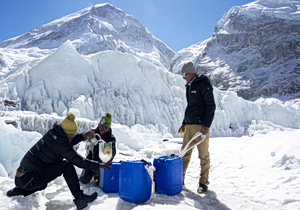
People collect water from a glacier at Everest base camp, Nepal April 13, 2025. REUTERS/Purnima Shrestha
The new report attaches a striking economic figure to this dependency, estimating that Himalayan water resources support approximately 20% of India’s GDP through agriculture, hydropower, and pilgrimage tourism. Yet the mountain states themselves capture only about 5% of that economic value.
Economist Lord Nicholas Stern, who chairs the Grantham Research Institute on Climate Change and the Environment at the London School of Economics, described the Himalayas as the planet’s “Third Pole,” distinguishing it from the Arctic and Antarctic because hundreds of millions of people live in its shadow. He characterized the region as vital national and international infrastructure, cautioning that the ecosystem sustaining it is nearing a critical breaking point.
Notably, not all contributing factors are beyond regional control. Systemiq’s research attributes roughly a third of Himalayan glacier melt to black carbon pollution, largely originating from brick kilns in nearby lowland areas. This soot settles on snow and ice, increasing sunlight absorption and speeding up the melting process. Unlike broader greenhouse gas emissions, the report notes that black carbon pollution is something India and neighboring countries can directly address.
Arushi Chopra, Systemiq’s senior director and the report’s lead author, emphasized the urgency of the situation, noting that millions of livelihoods are at stake as glaciers melt at an accelerating pace.
The report outlines 10 priority actions, including cutting black-carbon emissions, expanding glacier monitoring efforts, strengthening early-warning systems for disasters, and rethinking how tourism is managed in the region.
One key recommendation involves improving disaster readiness by having governments pre-establish response protocols for various hazard scenarios, from evacuations to infrastructure protection.
The report also calls for a shift in tourism strategy. With the Indian Himalayan region drawing an estimated 400 million visitors annually, researchers argue that success should be measured not by visitor numbers but by how much economic value stays within and benefits local communities.
Pema Gyamtsho, ICIMOD’s director general, noted that the risks facing the region are becoming more intricate, with retreating glaciers, unstable permafrost, and vulnerable mountain slopes creating compounding hazards for downstream communities and infrastructure.
He stressed that these dangers cross national boundaries, meaning no single country can tackle them in isolation. This makes cross-border cooperation on monitoring, risk-sharing, early-warning systems, and resilience investment increasingly critical—not just to protect lives, but to safeguard the livelihoods of hundreds of millions who depend on the mountain ecosystem.
Source: BBC